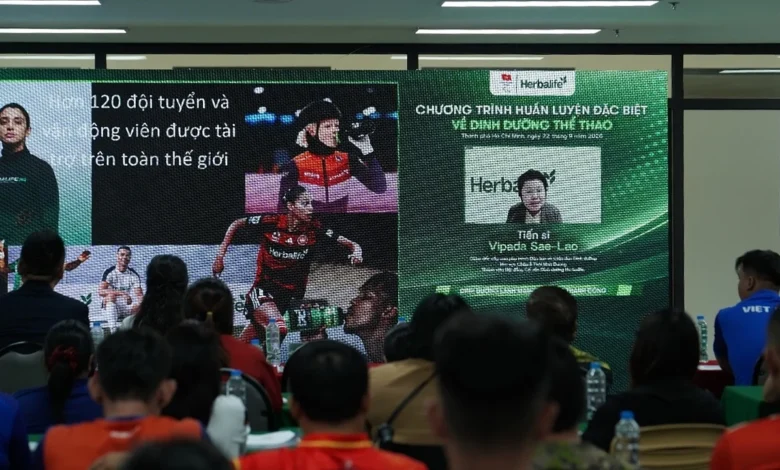
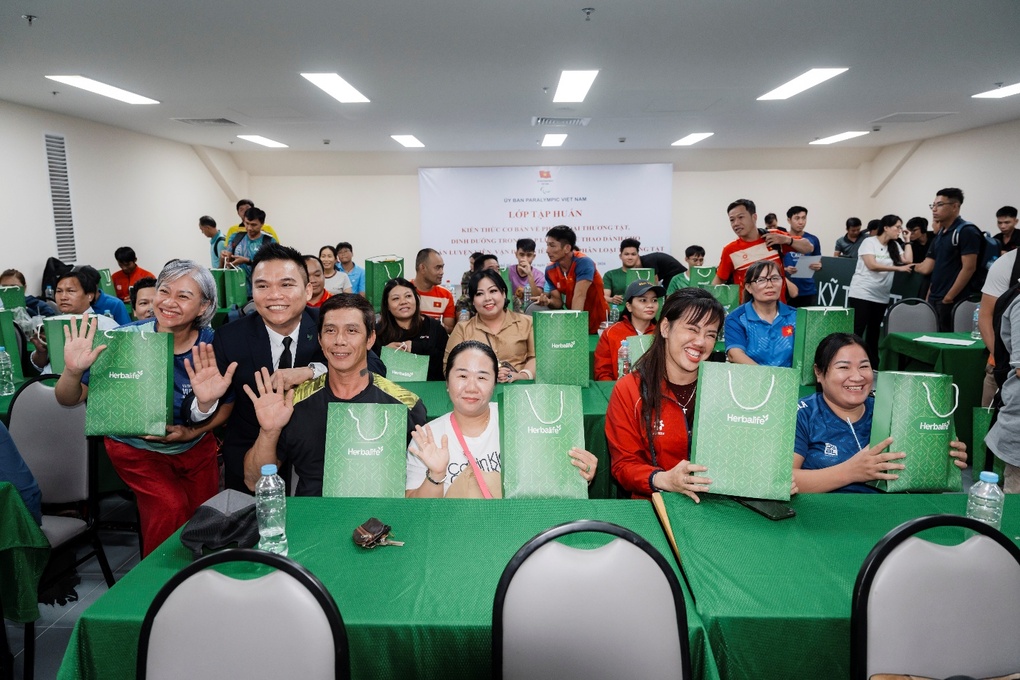
In a proactive effort to enhance the physical performance and recovery capabilities of Vietnam’s para-athletes, the Vietnam Paralympic Committee (VPC) in collaboration with Herbalife Vietnam organized a specialized seminar on September 22, 2026. The training session, titled Sports Nutrition in Training, Competition, and Recovery, provided essential insights for over 60 para-athletes, coaches, and medical staff. This initiative serves as a critical preparatory step as the national team gears up for major international competitions scheduled to take place in Japan this October.
The workshop was conducted through a hybrid model, combining in-person attendance at the Phu Tho Indoor Stadium in Ho Chi Minh City with a virtual connection via Zoom. This format allowed for the participation of approximately 200 medical professionals, nutritionists, coaches, and athletes from various provinces across the country, ensuring that the specialized knowledge reached a broad spectrum of the sporting community.
Expert Guidance and Physiological Specificity
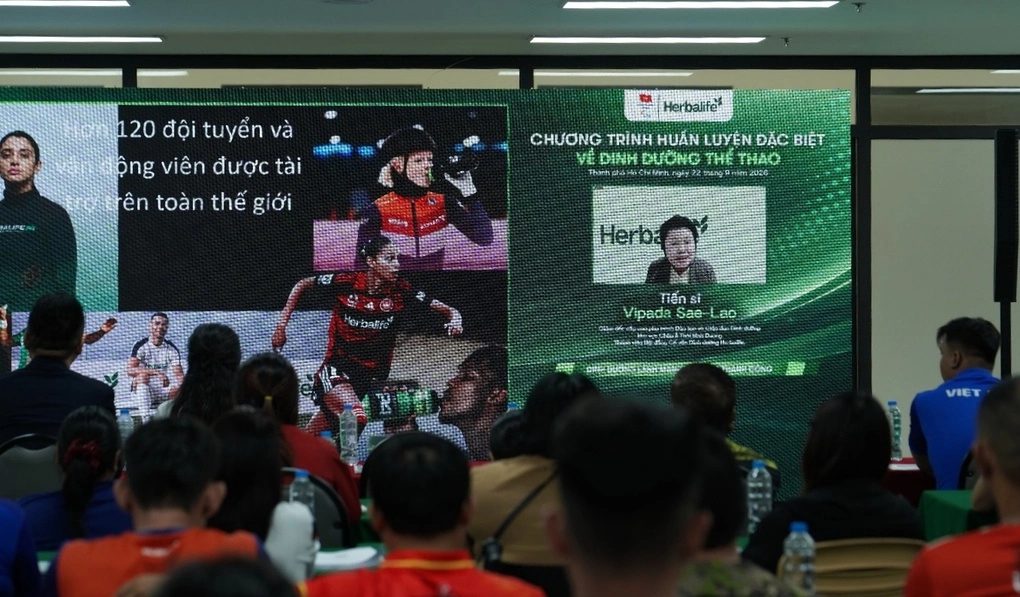
The lead trainer for the session was Dr. Vipada Sae-Lao, a distinguished expert in sports education and nutrition. Dr. Sae-Lao, who serves as a member of the Herbalife Nutrition Advisory Board and leads the company’s education initiatives across the Asia-Pacific region, has been instrumental in bridging the gap between clinical nutrition and athletic performance since joining the organization in 2012.
During the lecture, Dr. Sae-Lao emphasized that para-athletes possess unique physiological profiles that demand a departure from standardized nutritional formulas. Because many para-athletes experience different metabolic rates and energy expenditure patterns compared to able-bodied athletes, the "one-size-fits-all" approach to sports nutrition is often ineffective and potentially detrimental to performance.
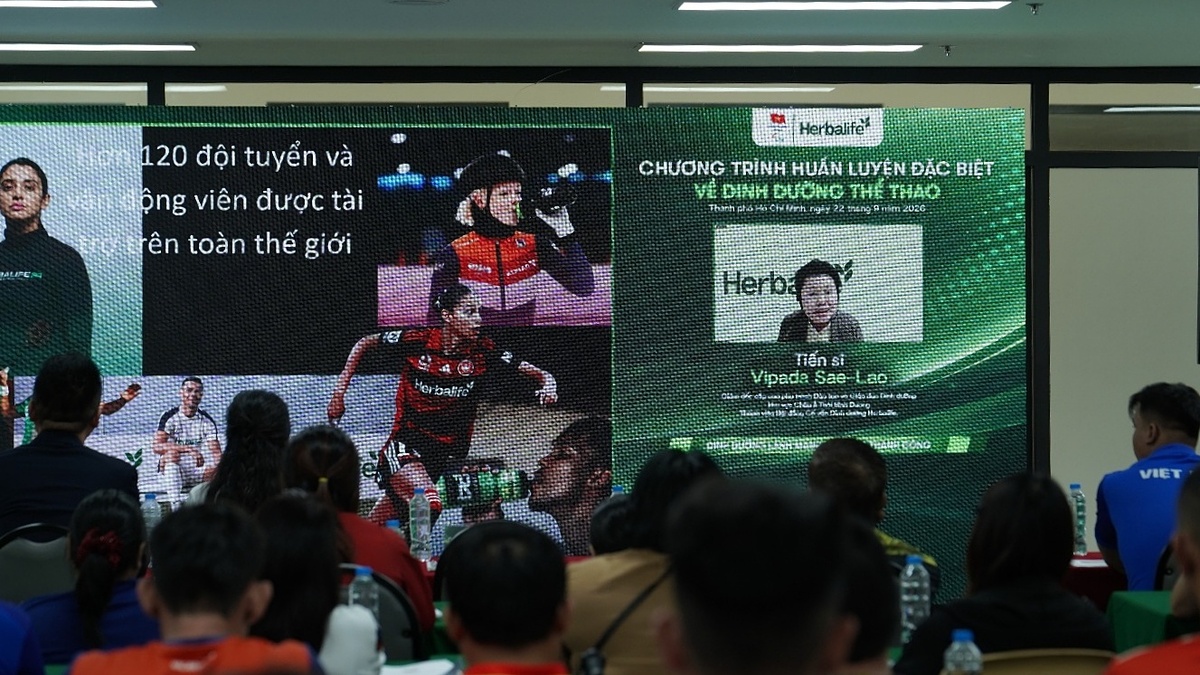
"Individualized nutrition is not merely an advantage; it is a fundamental requirement for the success of para-athletes," Dr. Sae-Lao stated during the presentation. "By adjusting nutritional strategies based on specific disabilities, sport-specific demands, and individual metabolic needs, we can optimize energy efficiency and significantly accelerate the post-training recovery process."
Key Pillars of Nutritional Strategy for Para-Athletes
The seminar outlined four critical pillars that coaches and medical staff must monitor to support athletes:
- Precision Calibration: Moving away from generalized models, the training provided methodologies for calculating exact energy requirements. This ensures that the nutrient density of an athlete’s diet aligns with their specific physical limitations and the intensity of their event.
- Dynamic Fueling Cycles: The strategic intake of carbohydrates, proteins, and electrolytes must be mapped to the pre-, intra-, and post-workout windows. Proper timing ensures sustained stamina during intense competition while maximizing the body’s ability to regenerate energy stores.
- Recovery and Injury Mitigation: Nutrition is a preventative medicine. A diet rich in antioxidants and joint-supportive nutrients is essential for reducing the risk of inflammation and injury, thereby shortening the physical recovery time after high-intensity training sessions.
- Adaptive Strategies for International Travel: Competition abroad presents the challenge of jet lag, shifts in circadian rhythms, and limited access to familiar food sources. The seminar provided actionable strategies for maintaining nutritional consistency despite the environmental disruptions caused by international travel.
Strengthening the Paralympic Ecosystem
Beyond the theoretical framework, the session featured an interactive Q&A segment where doctors and coaches presented real-world challenges encountered during their daily training regimens. This collaborative approach ensured that the knowledge shared was directly applicable to the hurdles faced by the current squad.
For the medical staff and coaches, this workshop was a vital opportunity to refine their nutritional plans. In the context of elite sport, where victory is often determined by marginal gains, the ability to tailor nutrition to the individual athlete’s condition can be the deciding factor between a podium finish and a missed opportunity.
A Long-Standing Partnership in Sport
The event also marked a milestone in the 14-year partnership between Herbalife Vietnam and the Vietnam Paralympic Committee. Since the inception of their cooperation, the two organizations have worked in tandem to provide not only nutritional support and product sponsorship but also expert training and capacity building for the nation’s para-sporting infrastructure.
The collaboration is part of a broader commitment by Herbalife to promote healthy, active lifestyles. Globally, the company has positioned itself as a leading provider of science-based nutrition, with a presence in over 90 markets. In Vietnam, this commitment extends to partnerships with the Vietnam Olympic Committee (since 2012) and the Vietnam Football Federation (since 2021). Furthermore, the company has become a fixture in the domestic running scene, serving as the official nutrition sponsor for prominent events such as the VnExpress Marathon, the Tien Phong Marathon, and the Vietnam International Half Marathon.
Implications for Upcoming International Competition
The timing of this training is strategic. With the international competition in Japan approaching in October, the coaching staff and the athletes are in the final stages of their preparation. The knowledge gained from Dr. Sae-Lao’s seminar will be integrated into the final training blocks, with medical teams expected to monitor the athletes’ compliance with these new protocols.
The success of these initiatives underscores a shifting paradigm in Vietnamese sports medicine. By investing in specialized education for the support staff, the VPC is ensuring that the athletes are not only physically prepared but also scientifically supported. This holistic approach is essential for sustaining long-term performance and ensuring that Vietnam continues to be a competitive force in the global Paralympic movement.
Broader Impact and Future Outlook
The commitment to nutritional excellence is a reflection of the evolving professionalization of para-sports in Vietnam. Historically, para-athletes often faced barriers to accessing high-level sports science resources. However, through persistent institutional partnerships and ongoing educational programs, these barriers are being dismantled.
Experts suggest that the ripple effects of this training will extend beyond the immediate competition in Japan. The medical staff, now equipped with more nuanced knowledge, will be able to refine their long-term monitoring systems for athletes. This creates a sustainable cycle of improvement, where nutritional data is collected, analyzed, and used to inform future training cycles.
As the athletes prepare to represent Vietnam on the international stage, the emphasis remains on the synergy between talent, rigorous training, and the scientific application of nutrition. Whether competing in track and field, swimming, or weightlifting, the application of these specific nutritional strategies will play a vital role in helping the athletes achieve their potential.
In conclusion, the partnership between the Vietnam Paralympic Committee and Herbalife serves as a model for how corporate social responsibility can directly translate into improved athletic outcomes. By providing access to world-class expertise and fostering an environment of continuous learning, the organizations are ensuring that Vietnam’s para-athletes have the tools necessary to compete at the highest level of international sport. As the team departs for Japan, they carry with them not only their dedication and hard work but also a refined, science-backed approach to their health and performance that will undoubtedly bolster their efforts on the world stage.
Related posts: