Entire Equities Market on Hanoi Stock Exchange to Transition to Ho Chi Minh City Stock Exchange Starting December 28

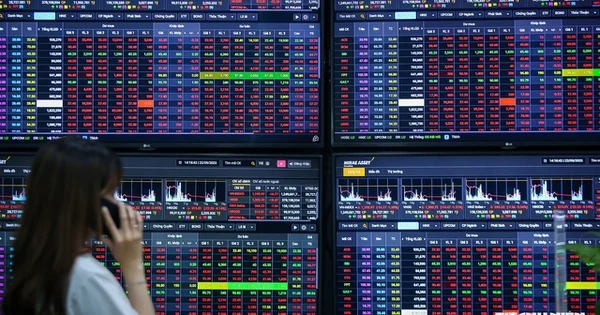
The landscape of Vietnam’s capital markets is undergoing a profound structural transformation. In a landmark announcement made by the Vietnam Exchange (VNX) on September 30, 2026, it was officially revealed that the entirety of the listed equity market currently operating on the Hanoi Stock Exchange (HNX) will migrate to the Ho Chi Minh City Stock Exchange (HOSE). This sweeping consolidation represents one of the most significant logistical and regulatory realignments in the history of Vietnam’s modern financial markets, effectively centralizing all primary equity trading under a single, unified southern hub.
The administrative maneuver is designed to streamline operations, eliminate market fragmentation, enhance market liquidity, and elevate corporate governance standards across the board. By migrating hundreds of enterprises—ranging from mid-cap commercial entities to heavyweight state-owned corporations—the regulatory bodies aim to present a more cohesive, transparent, and robust market profile to both domestic and international institutional investors.
Regulatory Framework and Background Context
The migration of the HNX equity board to HOSE is not an isolated initiative; rather, it is the direct execution of a meticulously planned national policy. Specifically, the relocation implements the restructuring scheme for listed equity trading markets mandated by Circular No. 139/2025/TT-BTC, issued by the Ministry of Finance.
Circular 139 establishes a definitive legal deadline, stipulating that the HNX must fully complete the transition of all securities issued by listed entities from its platform to HOSE no later than December 31, 2026. This regulation is part of a broader, long-term master plan by Vietnamese financial authorities to clearly demarcate the operational jurisdictions and strategic focus areas of the country’s two primary stock exchanges.
For years, the dual-exchange model created operational redundancies and split liquidity pools between HOSE and HNX. While HOSE traditionally hosted the country’s largest blue-chip corporations, HNX accommodated a diverse mix of large, medium, and small-cap companies. Under the new regulatory paradigm, this operational overlap will be permanently resolved, allowing each exchange to specialize in distinct financial segments.
Chronology of the Transition Process
To ensure a seamless migration without triggering unnecessary market panic or systemic disruptions, the VNX, in close collaboration with both exchanges, has established a strict, multi-stage timeline leading up to the operational cutover.
According to the official roadmap released by VNX, the final trading session for all equity securities listed on the Hanoi Stock Exchange will take place on Wednesday, December 23, 2026. This milestone marks the formal conclusion of HNX’s decades-long tenure as a primary equity trading venue.
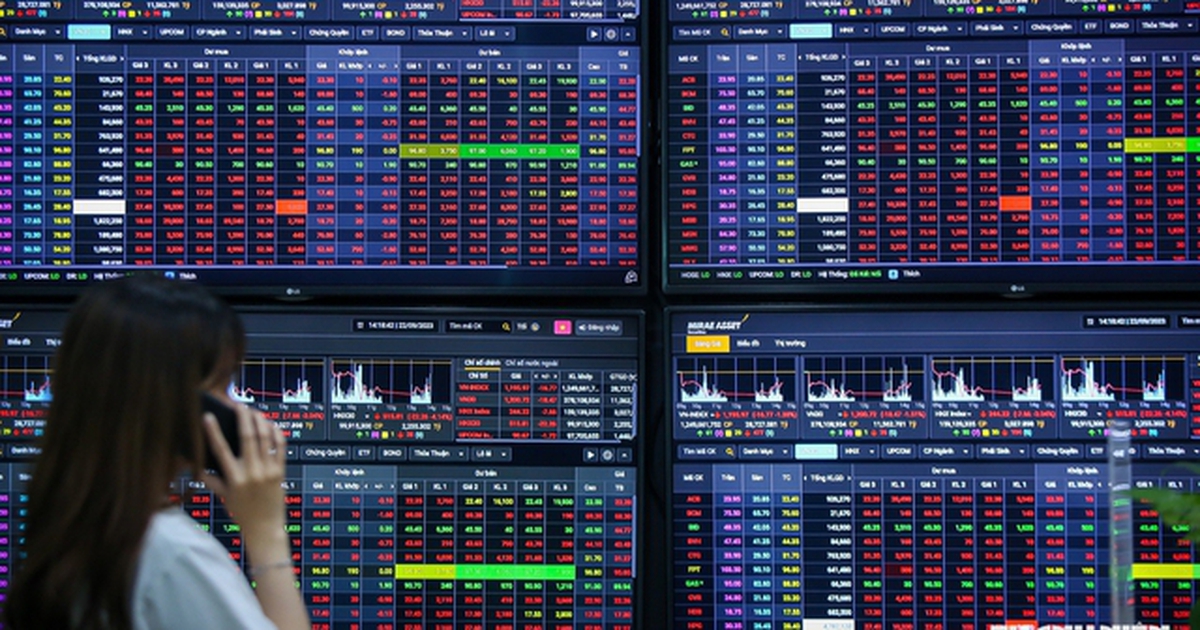
Immediately following the close of trade on December 23, all HNX-listed equities will enter a mandatory temporary suspension period lasting two business days, spanning Thursday, December 24, and Friday, December 25, 2026. During this brief window, system administrators, brokerage firms, and depository institutions will execute data reconciliations, migrate registry information, and update trading systems to reflect the structural shift.
It is important to note that while HNX-listed equities will be paused, normal market operations will continue elsewhere. Specifically, trading activities on the HOSE platform, as well as other market segments autonomously organized and managed by HNX—such as bond and derivatives markets—will function normally in accordance with existing regulations.
The culmination of the transition is scheduled for Monday, December 28, 2026. On this date, all formerly HNX-listed shares will officially open for their first trading session on the HOSE platform. From this moment onward, the Ho Chi Minh City Stock Exchange will assume absolute responsibility as the sole organizer for all listed equity, fund certificate, and covered warrant trading nationwide.
Profiles of Affected Enterprises
The migration impacts hundreds of companies spanning virtually every major economic sector in Vietnam. While the majority of these are small and medium-sized enterprises, the list also includes several prominent, high-profile corporations that have historically anchored the HNX index.
Notable heavyweights slated for the move include the Airports Corporation of Vietnam (ACV), the state-owned enterprise managing and operating the nation’s network of civilian airports, and Hanoi Beer-Alcohol-Beverage Joint Stock Corporation (Habeco or BHN), one of the pillars of Vietnam’s consumer goods and beverage industry.
The transition of such massive state-capitalized entities to HOSE is expected to significantly augment the total market capitalization of the southern bourse, enhancing its weighting in regional and global frontier market indices. Institutional portfolio managers tracking benchmarks such as the VN30 or broader regional indices will need to adjust their analytical frameworks to account for the influx of these newly integrated blue-chip assets.
Strategic Realignment: Redefining the Mandates of HOSE and HNX
The consolidation of equities onto HOSE is accompanied by a concurrent redefinition of the strategic mandates for both exchanges. Rather than rendering the Hanoi Stock Exchange redundant, the reform sharpens HNX’s focus, positioning it to become a specialized powerhouse for alternative asset classes and non-equity financial instruments.
Post-December 2026, HOSE’s mandate is clear and unambiguous: it serves as the definitive central marketplace for equities, investment fund certificates, and covered warrants.

Conversely, HNX will pivot entirely toward managing and expanding non-equity markets. Its core responsibilities moving forward will encompass:
- The Government Bond and Corporate Bond markets, providing a centralized platform for fixed-income securities.
- The Derivatives Market, housing financial futures and options tied to underlying market indices.
- The Unlisted Public Company Market (UPCoM), which will continue to serve as the primary trading venue for shares of public companies that have not yet met the stringent requirements for official listing on HOSE.
Furthermore, HNX has been designated by financial authorities as the pioneering institution tasked with laying the groundwork for emerging, future-oriented financial ecosystems. This includes developing Vietnam’s domestic carbon credit trading market, establishing dedicated capital-raising frameworks and platforms for startup and innovative enterprises, and researching the introduction of novel financial products tailored to a modernizing economy.
Logistical Preparation and Industry Response
With the implementation date fast approaching, regulatory bodies have issued urgent advisories to all market participants. VNX has strongly recommended that all listed companies, securities member firms, and institutional and retail investors proactively prepare their internal systems, operational workflows, and risk management frameworks.
Securities companies, in particular, face a dense logistical checklist. Brokerage firms must update their order-routing engines, client portfolio management software, and margin lending parameters to ensure that accounts holding legacy HNX shares transition smoothly without administrative friction or execution delays on December 28.
Market analysts and industry associations have largely welcomed the move, viewing it as a long-overdue step toward administrative efficiency and regulatory harmonization. By eliminating the historical dichotomy between the two exchanges, Vietnam reduces regulatory friction, lowers compliance costs for dual-listed or transitioning enterprises, and creates a more transparent environment for foreign capital inflows.
As global index providers and foreign institutional investors increasingly scrutinize Vietnam’s ongoing efforts to secure an emerging market upgrade from major rating agencies like FTSE Russell and MSCI, structural reforms of this magnitude signal a maturing regulatory environment. The centralization of equity trading on HOSE ensures that market surveillance, disclosure standards, and trading infrastructure are unified under a single, highly scalable institutional framework.
The final months of 2026 will therefore serve as a critical transition window for Vietnam’s financial sector. As market participants count down the days to the December 28 launch, all eyes will be on the operational readiness of the exchanges, brokerages, and corporate issuers to ensure that the monumental shift unfolds without a hitch.
Related posts: