Supreme Court Rulings on Voting Rights, Gerrymandering, and Campaign Finance Shape the Stakes of the 2026 U.S. Midterm Elections

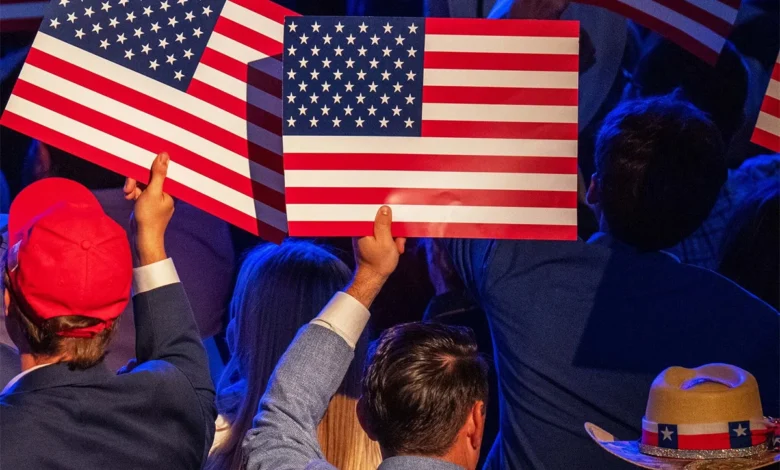
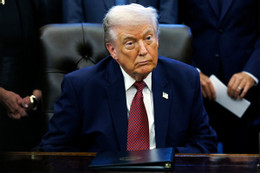
As the United States approaches the pivotal November 3 midterm elections, the electoral landscape is being fundamentally reshaped by a series of high-stakes rulings from the U.S. Supreme Court. Addressing critical pillars of American democracy—campaign finance, voting rules, and congressional redistricting—the nation’s highest tribunal has indirectly tipped the scales of competition ahead of a national referendum that will test the political survival of President Donald Trump’s administration and the Republican congressional majority.
With a firmly established conservative majority of six justices to three, the Supreme Court’s decisions over the past several years have reconfigured the playing field. While the ultimate outcomes of individual congressional races remain deeply contested, the legal architecture governing how political parties raise money, map districts, and mobilize voters has shifted dramatically. These decisions are no longer merely matters of constitutional jurisprudence; they are the driving forces behind the current political realignment, amplifying the power of institutional party machinery and state legislatures just as millions of Americans head to the polls.
The Stakes of the 2026 Midterms: Control of Congress and Executive Accountability
The upcoming November 3 ballots will determine which political party controls the House of Representatives and the Senate for the final two years of President Trump’s term. Currently, the Republican Party maintains narrow majorities in both chambers of Congress. However, the Democratic Party needs to pick up only a handful of seats in each chamber to seize the levers of legislative power.
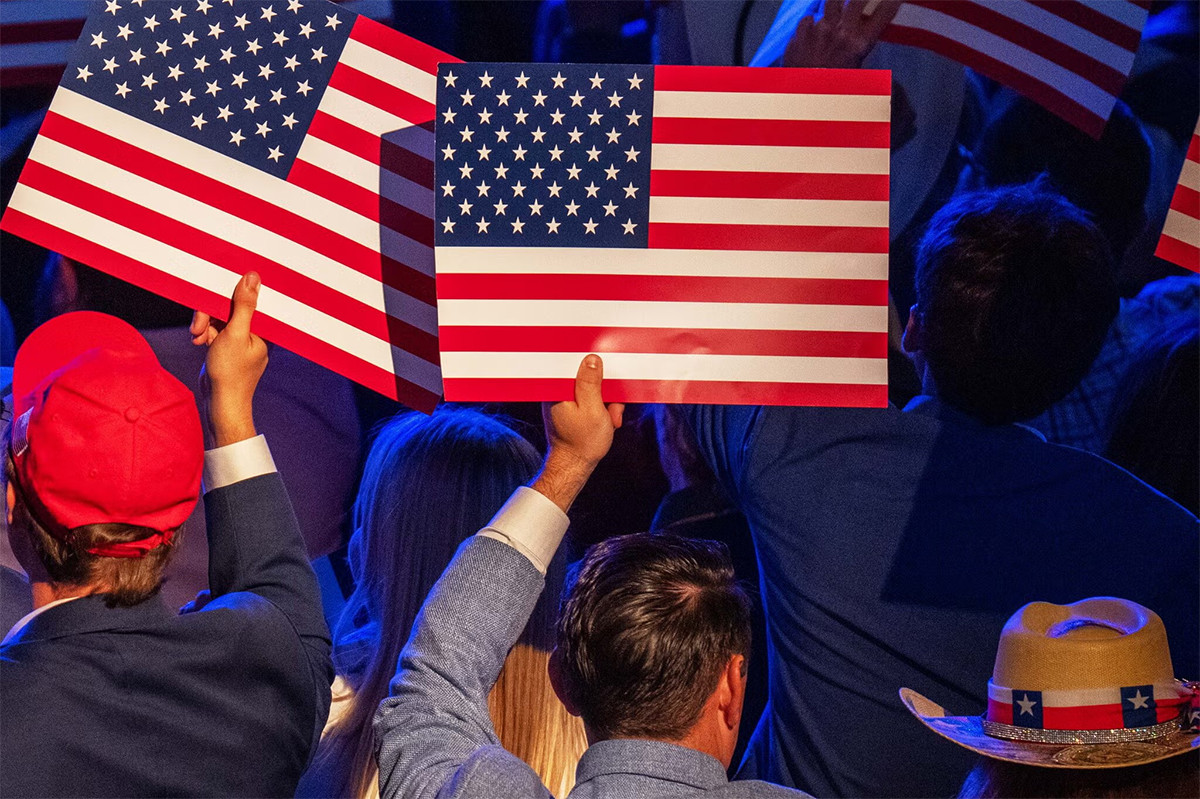
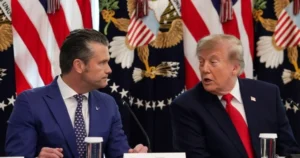
If Democrats capture control of either or both houses of Congress, President Trump’s legislative agenda will face immediate gridlock. More critically, an opposition-controlled Congress would possess subpoena power, setting the stage for aggressive congressional investigations into the executive branch, federal agencies, and administration policies.
This legislative tug-of-war is unfolding against a volatile backdrop of domestic and international pressures. Surging living costs, inflation, and persistent global geopolitical flashpoints—including ongoing tensions involving Iran—have dominated the national discourse. Historically, the party holding the White House faces a steep uphill battle during midterm elections, often described as a political "curse." President Trump and the Republican Party find themselves walking a political tightrope as they seek to defy historical trends and protect their legislative majorities.
Uncapping Campaign Spending and Amplifying Political Advertising
One of the most immediate and tangible impacts on the 2026 campaign cycle stems from a landmark Supreme Court ruling delivered in June. In that decision, the high court struck down federal limits on coordinated expenditures that political parties can make in conjunction with their congressional nominees.
Prior to this ruling, federal law imposed strict ceilings on certain coordinated spending between political parties and candidates. Proponents of those campaign contribution caps argued they served as a vital bulwark against the undue influence of wealthy mega-donors, preventing individuals from funneling massive sums through party apparatuses to bypass direct contribution limits to individual candidates. Conversely, opponents of the limits argued that restrictions infringed upon free speech rights and weakened the essential coordinating role of political parties within the broader democratic framework.
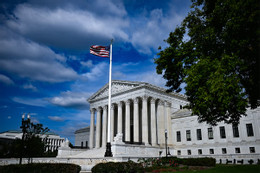
Following the Supreme Court’s intervention, both major political parties rushed to dramatically scale up their investments in coordinated television, digital, and radio advertising. According to data compiled by political ad tracking firm AdImpact and cited by major financial publications, total spending on coordinated political advertising quickly surpassed the $100 million threshold months before the election.
The financial shift is most visible in high-stakes Senate races across the country. In the battleground state of Ohio, for instance, the traditional coordinated spending limit per party for the 2026 election cycle was approximately $1.2 million. However, fueled by the new legal landscape, the Republican Senatorial campaign committee had poured nearly $23 million into coordinated efforts supporting Senate candidate Jon Husted by the end of September. Meanwhile, the Democratic Senatorial campaign committee invested $5.7 million to coordinate with incumbent Democratic Senator Sherrod Brown.
A similar dynamic played out in Michigan, where statutory coordination limits previously hovered around $1.1 million. Instead, Republican campaign committees outpaced historical spending by pouring $13.4 million into coordinated advertising for Republican candidate Mike Rogers, while Democrats spent $4.6 million supporting their candidate, Abdul El-Sayed. These astronomical figures underscore how the Supreme Court’s rulings have not only altered legal interpretations but fundamentally expanded the financial resources parties can deploy on behalf of their nominees.
The Battle Over Congressional Redistricting and Map-Drawing
Beyond campaign finance, decisions regarding voting rights and the redrawing of congressional district boundaries have injected profound uncertainty into the 2026 midterms.
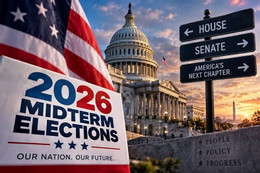
In April 2026, the Supreme Court issued a ruling that significantly narrowed the enforcement scope of a key provision in the landmark Voting Rights Act of 1965, legislation originally enacted to combat racial discrimination in elections. The ruling made it considerably more difficult for minority advocacy groups and voters to challenge congressional maps that they argue dilute minority voting strength through racially polarized redistricting.
In the wake of this decision, several Southern states under Republican legislative control—including Alabama, Louisiana, and Tennessee—swiftly moved to adjust their electoral maps. These adjustments included dismantling or altering suburban and rural districts where Black voters previously constituted a significant majority. Because Black voters overwhelmingly lean toward Democratic candidates, these boundary shifts effectively reduced the electoral prospects of the Democratic Party in those regions.
Political analysts have noted that several competitive districts across the American South have effectively transitioned from leaning Democratic to solid Republican territory as a direct consequence of these map redraws. This wave of redistricting builds upon the foundational precedent set by the Supreme Court’s 2019 ruling in Rucho v. Common Cause, which established that federal courts lack the constitutional jurisdiction to adjudicate partisan gerrymandering claims. By removing federal judicial oversight from partisan map-drawing, the high court opened the floodgates for state legislatures to aggressively pursue electoral maps that benefit their party in power.
While Republican-led states have largely led the charge in redrawing maps to their advantage, Democratic-led states like California have explored counter-measures, seeking to maximize their own legislative footprint where possible. The ultimate impact of these changes will depend on ongoing legal challenges, state-level implementation, and voter turnout patterns.
A Mixed Legal Legacy: Limits on Conservative Victories
Despite several rulings favoring the broader strategic interests of the Republican Party, legal analysts emphasize that the Supreme Court’s conservative majority has not universally delivered the outcomes sought by the political right.
Earlier in the election year, the high court rejected Republican-backed efforts in several states to enforce strict rules invalidating mail-in ballots received after Election Day, even if they were postmarked correctly on or before November 3. While mail-in voting has historically been utilized by voters across the political spectrum, pre-election polling data consistently revealed that Democratic voters relied on this voting method at significantly higher rates than Republicans. Consequently, these rulings became fierce flashpoints of partisan contention.
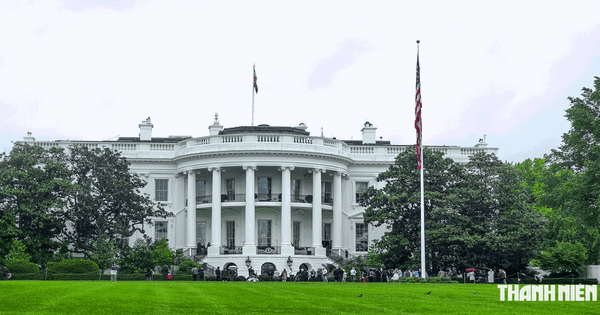
Additionally, the Supreme Court blocked the Trump administration from implementing certain aggressive new verification requirements for mail-in ballots in closely watched jurisdictions and declined to reinstate a map favorable to Republicans in Missouri. Legal watchdogs continue to monitor unresolved litigation, including challenges brought by the administration seeking to prevent California from processing ballots from voters accused by the White House of lacking verified U.S. citizenship.
Broader Implications for American Democracy Beyond November 3
The cascading legal battles of 2026 have forced political scientists and legal scholars to re-examine the delicate balance of power within the U.S. electoral system. On one hand, the Supreme Court fulfills its constitutional mandate by interpreting election laws and determining statutory compliance. On the other hand, its rulings on campaign financing, voting access, and map-drawing carry immense political consequences that reverberate far beyond a single election cycle.
The central challenge of modern American elections lies in distinguishing between direct legal adjustments and ultimate political outcomes. Ensuring that a political party has access to expansive advertising resources or favorable district boundaries does not guarantee electoral victory. Voters continue to cast ballots based on a complex matrix of domestic economic conditions, presidential job approval ratings, candidate quality, and salient policy debates.
Furthermore, the influence of these judicial decisions will not vanish when the polls close on November 3. Redrawn congressional maps will dictate the contours of political competition for years to come, while new legal precedents will permanently alter how political parties organize, fundraise, and contest power in the world’s oldest continuous democracy. As the nation awaits the final tally of the 2026 midterm elections, the intersection of the judiciary and electoral politics remains one of the most powerful and volatile forces shaping the future of American governance.