Dinh Van Noi grants 70 million VND to build a home for a disabled lottery ticket seller in Phu Quoc

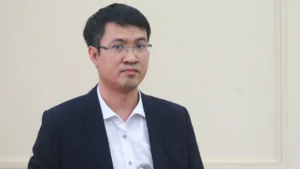
The landscape of Phu Quoc, a rapidly developing island district in Vietnam, is shifting dramatically as major infrastructure projects, including those tied to the upcoming APEC 2027, continue to transform the region. Amidst this massive urban renewal, the human cost of relocation remains a primary concern for local authorities. In a poignant demonstration of leadership and empathy, Mr. Dinh Van Noi, Deputy Secretary of the An Giang Provincial Party Committee and Secretary of the Phu Quoc City Party Committee, recently stepped in to support a local citizen whose life was upended by the progress of these development initiatives.
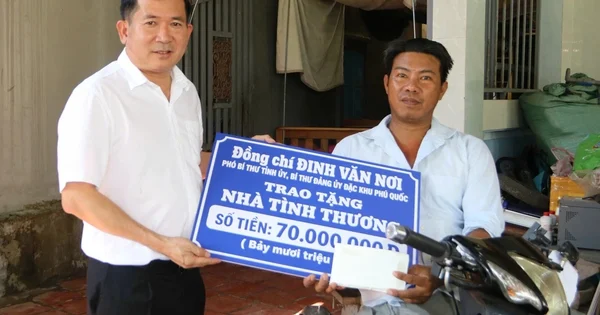
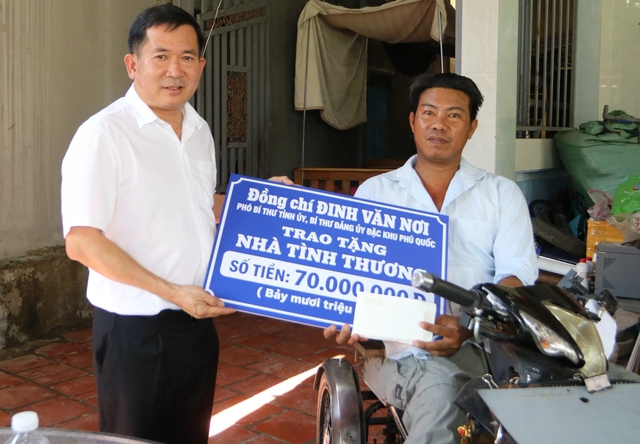
On November 5, the Phu Quoc City Party Committee confirmed that Mr. Dinh Van Noi visited and gifted 70 million VND to Mr. Doan Ngoc Cao, a 44-year-old resident struggling with physical disabilities. The funds are designated for the construction of a "charity house," providing Mr. Cao with a permanent, stable residence—a necessity he has lacked for years while navigating the uncertainties of life on the island.
A Life Defined by Resilience
Mr. Doan Ngoc Cao’s story is one of profound resilience. Nearly two decades ago, a tragic accident left him with severe physical disabilities, rendering him unable to walk without significant difficulty. Despite this life-altering hardship, Mr. Cao did not retreat from the world. To sustain himself and provide for his two young children, he adopted the modest profession of selling lottery tickets.
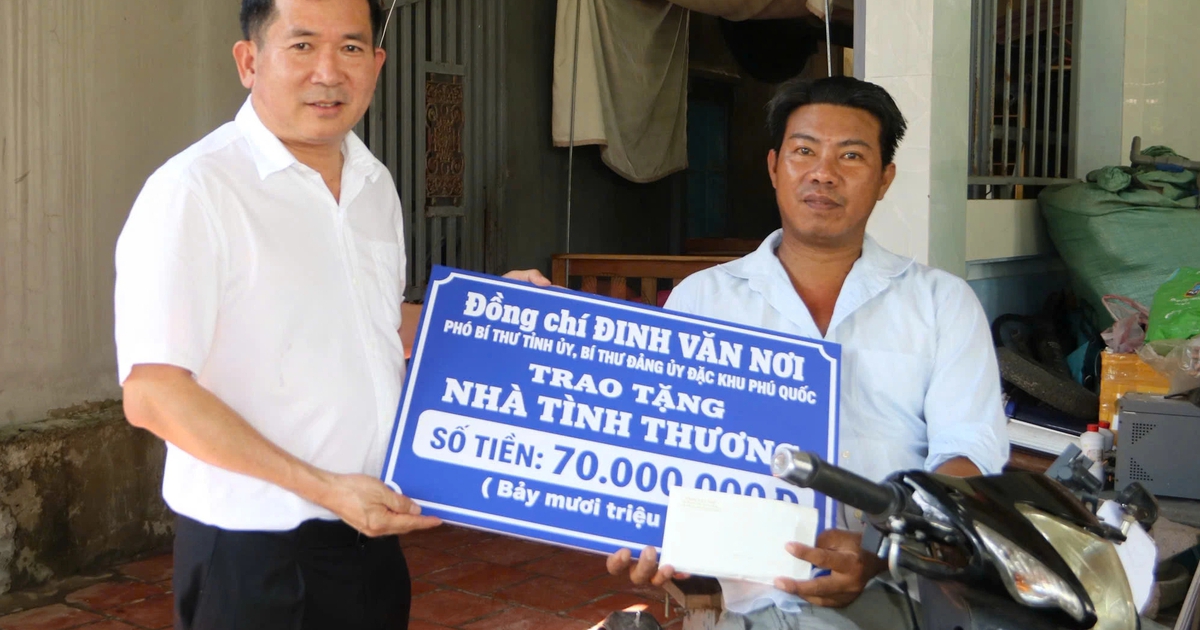
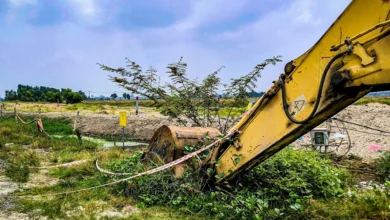
For years, a three-wheeled vehicle has served as his primary mode of transport, allowing him to traverse the bustling streets and alleys of Phu Quoc. His income, derived entirely from the commission of ticket sales, has always been precarious, leaving little room for savings or long-term financial security. His modest plot of land—roughly 84 square meters—located in Zone 7 of Bai Dat Do, became the center of his world, only to be caught in the sweep of land acquisition policies intended to clear the way for public infrastructure supporting the APEC 2027 summit.
The Chance Encounter
The chain of events leading to the donation began on the morning of November 1, during a ceremony to hand over resettlement plots to displaced households. Amidst the crowd, Mr. Dinh Van Noi noticed a man sitting on a wheelchair, his lap filled with lottery tickets. Recognizing the man’s physical struggle and the stark reality of his precarious livelihood, Mr. Noi immediately paused the proceedings to engage in a conversation with him.
The dialogue was brief but impactful. Mr. Noi learned that Mr. Cao was not only dealing with a disability but was also facing the uncertainty of where he would live after vacating his original plot. The contrast between the scale of the city’s development and the vulnerability of individual citizens like Mr. Cao prompted an immediate reaction from the official. Recognizing that traditional bureaucratic processes might leave a man in Mr. Cao’s condition behind, Mr. Noi pledged on-the-spot support, discussing various methods to alleviate the immediate financial burden of relocation.
Chronology of Support
The timeline from the initial encounter to the fulfillment of the promise was remarkably swift:
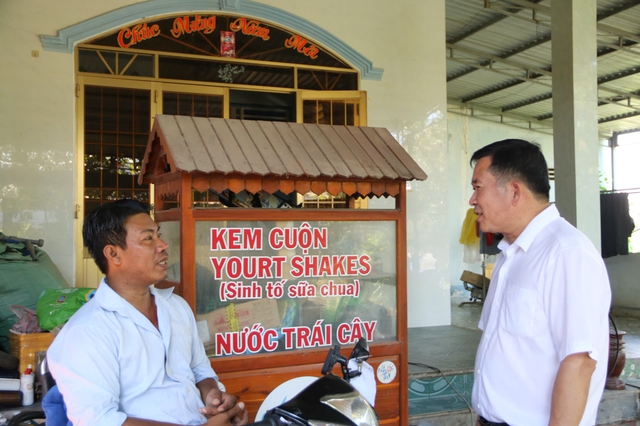
- November 1: Mr. Dinh Van Noi encounters Mr. Doan Ngoc Cao at the land handover ceremony. After assessing the situation, he commits to finding a solution to support Mr. Cao’s housing needs.
- November 1–4: Local authorities and Mr. Noi’s office review options for social assistance, including potential debt relief for the resettlement land costs.
- November 5: Mr. Dinh Van Noi visits Mr. Cao’s current temporary living space to officially present the 70 million VND donation for the construction of a new home.
During this final visit, Mr. Noi emphasized that the donation was not merely an act of charity but a recognition of Mr. Cao’s civic responsibility. By agreeing to relocate early, Mr. Cao enabled the local government to proceed with critical development projects without delay, despite not yet having a new place to call home and having to rent temporary housing in the interim.
Strategic Infrastructure and Local Welfare
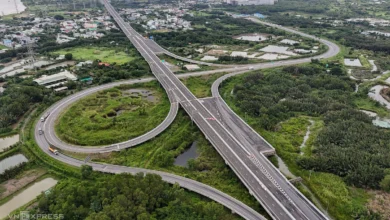
Phu Quoc’s designation as a host location for regional and international events, specifically APEC 2027, has accelerated the need for high-capacity infrastructure. This includes road networks, logistics hubs, and urban renewal projects that require land reclamation. While these projects are vital for the island’s economic trajectory, they often disproportionately affect lower-income residents who own small plots of land in high-value zones.
The case of Mr. Cao highlights a broader policy shift in how local governments handle the intersection of "grand development" and "social welfare." In his discussions with local stakeholders, Mr. Noi indicated that the city would look into further measures, including potential debt-deferment programs for resettlement land fees. This approach is intended to reduce the immediate financial pressure on displaced families, ensuring that the transition to new living areas does not push vulnerable residents into deeper cycles of poverty.
Implications of Proactive Governance
The involvement of a high-ranking official like Mr. Dinh Van Noi in the life of an individual citizen serves several functions in the context of local administration. First, it acts as a signal to local departments that the human impact of large-scale development is a priority. By personally engaging with the most vulnerable, officials can identify gaps in social safety nets that might be overlooked in standard bureaucratic reporting.
Furthermore, this intervention underscores the concept of "social equity in development." For many residents in Phu Quoc, the transformation of the island brings economic opportunities, but for those who are marginalized by disability or extreme poverty, the risk of being "left behind" is high. Providing direct financial support for housing, combined with flexible policies regarding land-related debt, offers a template for how other rapidly developing regions in Vietnam might manage similar transitions.
A Future Built on Stability
For Mr. Doan Ngoc Cao, the 70 million VND represents more than just construction materials; it represents the stability required to continue working and providing for his children. As Phu Quoc continues its ascent as an international tourism and economic center, the ability of the local government to maintain the dignity of its long-term, vulnerable residents remains a key measure of its success.
The actions taken by the local administration in this instance reflect a growing emphasis on compassionate governance. By acknowledging the sacrifice of citizens like Mr. Cao—who vacated their land to facilitate public interest projects—and responding with timely, tangible support, the authorities in Phu Quoc are attempting to balance the demands of modernization with the fundamental rights of the community. As the city prepares for the global spotlight of APEC 2027, such stories of local support provide a vital counter-narrative, suggesting that the island’s growth is intended to be inclusive of all its citizens, regardless of their physical or financial standing.