China’s Blueprint for Reform: How Radical Transparency Transformed Land Expropriation and Resettlement Practices

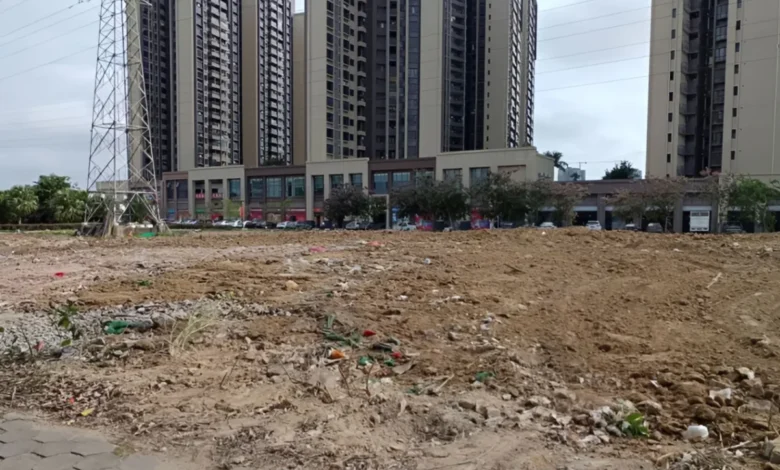
Land acquisition and resettlement have historically remained among the most complex and politically volatile administrative challenges in modern China. For decades, the process of clearing land for massive infrastructure development and urban expansion frequently generated fierce public discontent, intense disputes over valuation, and protracted legal standoffs. Reports of opaque compensation schemes, heavy-handed enforcement tactics, and inadequate provisions for displaced populations often strained relations between local governments and rural communities. In response to mounting socio-economic pressures and widespread public scrutiny, central authorities and progressive local jurisdictions launched systemic overhauls aimed at redefining how property is acquired, evaluated, and compensated.
The core of this transformation relies on a fundamental shift from top-down administrative mandates to radical transparency, independent market valuation, and long-term socio-economic security for displaced residents. By modernizing legal frameworks and incorporating rigorous oversight mechanisms, China has increasingly sought to eliminate the structural flaws that previously fueled civil unrest during large-scale infrastructural initiatives.
The Historical Context of Land Disputes and Administrative Hurdles
Rapid industrialization and urbanization over the past forty years necessitated the conversion of millions of acres of agricultural land into commercial, industrial, and residential zones. However, the legal and institutional frameworks governing land requisition initially lagged behind the pace of physical development. Under earlier administrative systems, local development agencies wielded immense discretionary power over land acquisition, often unilaterally determining compensation rates without meaningful public consultation.
This lack of transparency regularly resulted in systemic under-compensation, leaving rural farmers and urban dwellers vulnerable to sudden financial instability. Disputes frequently escalated into localized protests, administrative appeals, and forced evictions that tarnished local governance reputations. Recognizing that traditional methods of land clearance were unsustainable and counterproductive to long-term social stability, policy planners initiated a series of progressive reforms designed to institutionalize fairness, protect property rights, and incorporate community oversight into every phase of the resettlement process.
The Milestone Model of Dayu: The Five-Party Presence and Rapid Execution
A watershed moment in reforming land acquisition practices occurred in 2009 during the construction of the Dayu Expressway in Henan Province. The project required the acquisition of over 8,000 mu of land and the relocation of 709 households. Remarkably, the entire clearance, compensation, and resettlement process was completed within a span of 26 days without a single instance of forced enforcement, public grievance, or legal appeal.
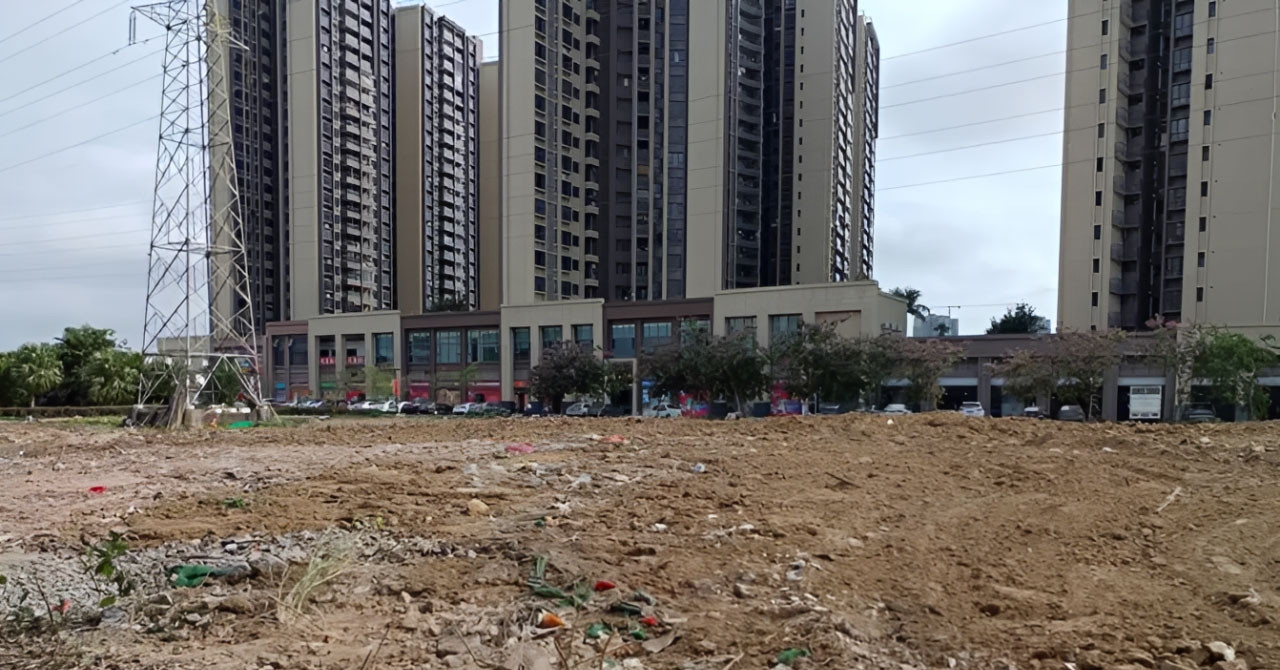
The cornerstone of this unprecedented success was a cooperative mechanism known locally as the Five-Party Presence. This framework mandated that representatives from the development enterprise, the municipal project management board, the demolition office, the local village administration, and the displaced households collaborate directly on-site. Every measurement, financial calculation, and compensation disbursement was executed transparently in the immediate presence of the affected property owners.
By establishing verification protocols with the direct participation of residents, local authorities successfully minimized the risk of administrative errors, drastically increased transparency, and upheld the fundamental principle of fair and equitable dealing. The success of the Dayu model demonstrated that speed and efficiency in infrastructure development are not mutually exclusive with absolute transparency and community consent.
Legal Evolution: Market-Driven Valuation and Prior Compensation
The practical successes observed in pilot projects across various provinces catalyzed formal legislative changes, culminating in the 2011 Regulations on the Expropriation and Compensation of Housing on Urban Land. This landmark regulatory framework codified two vital principles that fundamentally reshaped national policy: compensation for housing value must not fall below the market price of comparable real estate at the time of the expropriation decision, and the principle of "compensation first, relocation later" must be strictly enforced.
Under the updated legislative framework, the determination of market value was removed from the jurisdiction of the acquisition authorities and reassigned to independent appraisal organizations. This structural separation eliminated inherent conflicts of interest, ensuring that property valuations reflected true market dynamics rather than budgetary constraints of municipal developers.
Furthermore, transparency extended beyond monetary compensation. In numerous jurisdictions, local governments began conducting collaborative economic forecasting sessions directly with farming communities. Officials and residents sat together to calculate post-project financial trajectories, analyzing precisely how much land would be acquired, the exact compensation entitlements, and the projected long-term economic gains following structural revitalization.
For instance, during land consolidation initiatives in villages such as Hatuqiu in Guangdong Province, comprehensive financial models were presented to more than 450 households. The projections explicitly detailed how post-project agricultural optimization would yield higher sustainable incomes, benefiting both individual families and collective village treasuries.
Innovative Resettlement Frameworks: Housing Vouchers and Commercial Integration
While transparency served as a vital precondition, flexible resettlement solutions proved equally essential in securing public cooperation. Traditional resettlement models often required displaced residents to wait years while new housing complexes were constructed, creating prolonged periods of housing instability and financial strain.
To mitigate these delays, modern municipalities began pioneering housing voucher systems. In districts within Tianjin, relocation entitlements were monetized into specialized vouchers that residents could immediately utilize to purchase commercial housing from government-approved property portfolios. Prices within these housing pools were pre-negotiated between municipal authorities and real estate developers, bypassing the traditional multi-year construction waiting period. Consequently, the actual time required for families to secure permanent housing dropped from years to approximately thirty days, while simultaneously helping real estate enterprises alleviate localized inventory backlogs.
Similar voucher-based mechanisms were successfully deployed in Chongqing during urban slum renovation projects, granting displaced citizens the direct autonomy to select residential properties directly from the open market rather than relying exclusively on state-allocated public housing units.
Integrating Compensation with Long-Term Social Security
Perhaps the most significant structural advancement in recent land acquisition models is the deliberate integration of financial compensation with long-term livelihood security. In regions heavily dependent on agriculture, the loss of arable land historically threatened long-term economic viability. To address this vulnerability, local governments introduced comprehensive social security packages designed to protect farmers from post-displacement poverty.
In Jianghua County, Hunan Province, displaced farmers received standardized compensation for land values, supplemented by local government assistance in establishing specialized construction and transport teams. These teams enabled residents to participate directly in auxiliary infrastructure projects, such as site grading, retaining wall construction, and industrial park perimeter installations, thereby generating immediate supplemental income.
Similarly, in resettlement communities associated with the Three Gorges Dam project, agricultural production facilities were established in close proximity to residential areas, securing stable employment opportunities with competitive monthly wages. Concurrently, comprehensive social security, healthcare, and educational policies were implemented synchronously to ensure seamless integration into urbanizing environments.
In cities like Gaozhou, Shandong Province, local authorities innovated further by allocating a portion of land-use returns to construct commercial rental properties. The sustained monthly rental income generated from these facilities was directly funneled into municipal welfare funds and social insurance subsidies for resettled citizens. Other jurisdictions implemented "cash plus insurance" frameworks, wherein a substantial portion of compensation capital is transferred directly into specialized social insurance accounts, guaranteeing a reliable baseline income for agricultural workers long after their arable land has been transitioned to industrial or commercial use.
Implications and Future Outlook of China’s Land Reform
The systematic evolution of land acquisition and resettlement practices in China reflects a broader administrative pivot toward risk mitigation, social stability, and inclusive growth. By replacing top-down coercion with participatory transparency, independent market valuations, and long-term livelihood guarantees, local governments have demonstrated that complex infrastructural projects can proceed rapidly without provoking systemic public resistance.
The integration of commercial housing vouchers, independent appraisals, and sustained socio-economic support mechanisms highlights a maturing policy landscape. As urbanization continues to advance across various regions, these reformed methodologies serve as an institutional blueprint for balancing the demands of rapid national development with the fundamental rights and economic security of local populations.