Breakthrough in Perovskite Solar Technology Paves the Way for Flexible High-Efficiency Energy Harvesting

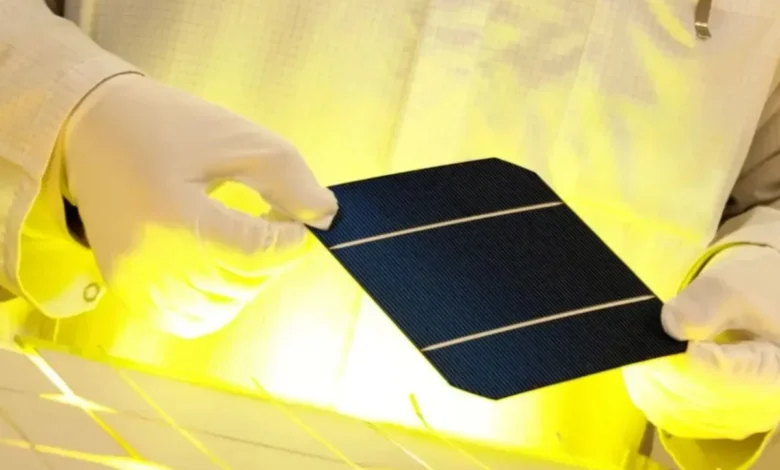
A collaborative team of researchers from Southeast University and Soochow University in China has achieved a historic milestone in photovoltaic technology, successfully developing flexible perovskite solar cells that reach an efficiency of nearly 27%. This development marks a significant departure from traditional, rigid silicon-based panels, potentially transforming the landscape of renewable energy by enabling the integration of solar power generation into curved surfaces, wearable devices, and mobile technology. The research, recently published in the prestigious journal Science, provides a robust solution to the long-standing challenges of material instability and efficiency degradation that have historically hampered the commercialization of perovskite cells.
The Limitations of Traditional Photovoltaics
For decades, the global solar market has been dominated by crystalline silicon technology. While highly efficient and durable, silicon-based solar cells are inherently rigid, heavy, and brittle. Their physical characteristics limit their application primarily to flat, structural surfaces such as rooftops or large-scale utility solar farms. This architectural constraint has left a vast untapped potential in urban environments, where non-traditional surfaces—such as vehicle roofs, building facades, and portable equipment—could theoretically serve as power generation nodes.
Perovskite solar cells (PSCs) emerged as the primary contender to break these constraints. Known for their exceptional light-absorption properties and lower manufacturing costs compared to silicon, perovskites are thin, lightweight, and theoretically flexible. However, the path to commercial viability has been fraught with technical obstacles. The most critical issue lies in the manufacturing process, specifically the assembly of the thin-film layers that convert light into electricity.
The Challenge of Layer Integration
The fabrication of high-efficiency perovskite cells requires the precise deposition of two distinct layers onto a flexible substrate: a self-assembled monolayer (SAM) and the perovskite crystalline layer itself. Historically, these two materials tended to interact prematurely during the deposition process, leading to structural defects and uneven film formation. When these imperfections occurred, the resulting solar cell exhibited rapid performance decay, especially when exposed to the harsh conditions of the real world, such as high temperatures and humidity.
In the past, many research attempts yielded high efficiency only on tiny lab-scale samples, making them impossible to replicate at scale. The scientific community has long struggled with the "stability versus efficiency" trade-off; increasing the efficiency often resulted in shorter operational lifespans, while reinforcing the material for durability often compromised its energy-conversion capabilities.
The "Decoupled Co-Deposition" Breakthrough
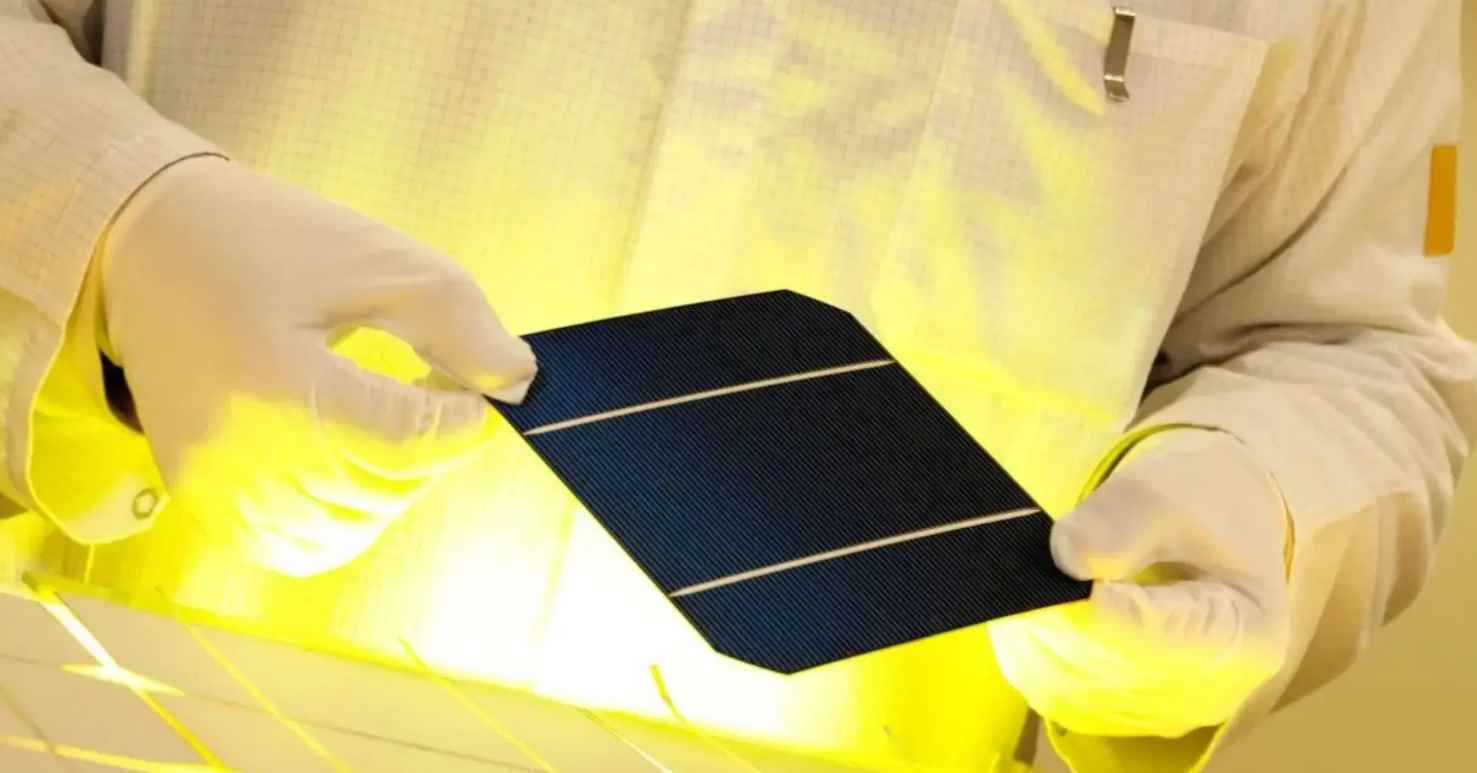
To address these challenges, the joint research team from Southeast University and Soochow University pioneered a novel manufacturing approach known as "decoupled co-deposition." By introducing a specialized molecular additive into the fabrication solution, the researchers effectively acted as a "molecular mediator."
This additive prevents the unwanted interaction between the SAM and the perovskite components, allowing each layer to form independently and uniformly. The result is a highly stable, high-performance thin film that retains its structural integrity even when bent. This breakthrough ensures that the layers maintain their correct positioning and composition, significantly enhancing the device’s operational resilience.
Performance Metrics and Durability Testing
The performance of these new flexible cells is unprecedented. In initial testing, the researchers recorded an energy conversion efficiency of 26.86%—the highest ever documented for this specific class of flexible solar technology. To put this in perspective, this efficiency level is rapidly approaching that of high-end, rigid silicon panels, which typically operate in the 20% to 25% range in commercial settings.
The scalability of this technology was also rigorously tested. As the researchers increased the surface area of the solar modules, they maintained impressive performance figures:
- 5×5 cm modules achieved an efficiency of 22.31%.
- 10×10 cm modules maintained 20.63%.
- 30×30 cm modules, representative of industrial-scale prototypes, yielded 20.15%.
Beyond raw efficiency, the researchers focused on longevity. In an accelerated aging test, a 25 cm² module with an initial 22% efficiency was subjected to 85°C heat and 65% relative humidity. After 1,044 hours of continuous operation, the cell retained 92.5% of its original efficiency. These conditions are specifically designed to simulate the harsh, real-world environments where solar panels are typically deployed. Furthermore, the modules successfully passed the IEC 63163 international standards for flexible photovoltaic modules, a critical validation step for any technology moving from the lab to the factory floor.
Broader Implications for Industry
The implications of this development are profound. By proving that high-efficiency perovskite cells can be manufactured at larger scales without sacrificing durability, the research team has moved the industry closer to a "roll-to-roll" manufacturing process. This method, which resembles the printing of newspapers, involves printing solar cells onto large, flexible rolls of material. This process is far less capital-intensive than traditional silicon wafer production and allows for the creation of lightweight, portable, and aesthetically versatile solar solutions.
If successfully commercialized, this technology could revolutionize several sectors:
- Automotive: Solar-integrated car roofs could provide auxiliary power for electric vehicle systems, extending range and reducing reliance on charging stations.
- Wearable Technology: Flexible, thin-film cells could be integrated into clothing or backpacks, allowing for the continuous charging of mobile devices while on the move.
- Architecture: Building-integrated photovoltaics (BIPV) could utilize the flexibility of perovskites to wrap around curved architectural features, turning modern skyscrapers into net-zero power plants.
- Emergency Services: Lightweight, foldable solar arrays could provide immediate, off-grid power for disaster relief and military operations in remote regions.
The Path Toward Commercialization
While the achievement is significant, the researchers acknowledge that the journey to mass production is ongoing. The current focus is on further optimizing the material composition to absorb a broader spectrum of light and perfecting the high-speed, continuous manufacturing process. The goal is to reach a price point that makes these cells competitive with, or cheaper than, traditional silicon alternatives.
Industry experts note that while silicon will likely remain the standard for massive, static solar farms due to its proven, decades-long durability, perovskite technology is uniquely positioned to dominate the "niche" markets that require flexibility and portability. The success of this study in meeting international standards suggests that the transition from a laboratory breakthrough to a viable commercial product is now a question of engineering and manufacturing scaling rather than fundamental scientific feasibility.
Conclusion: A New Era for Renewable Energy
The collaboration between Southeast University and Soochow University represents a pivot point for the renewable energy sector. By solving the dual problems of performance degradation and manufacturing complexity, the team has effectively unlocked the potential for solar energy to be harvested in ways previously deemed impractical. As the energy industry looks toward a decentralized future, the ability to "print" solar energy onto almost any surface—from the roof of a car to the fabric of a jacket—may prove to be one of the most important developments in the fight against climate change and the drive toward global energy sustainability. The publication of these results in Science underscores the global significance of the work and signals to investors and manufacturers alike that the era of flexible, high-efficiency solar power is rapidly approaching.