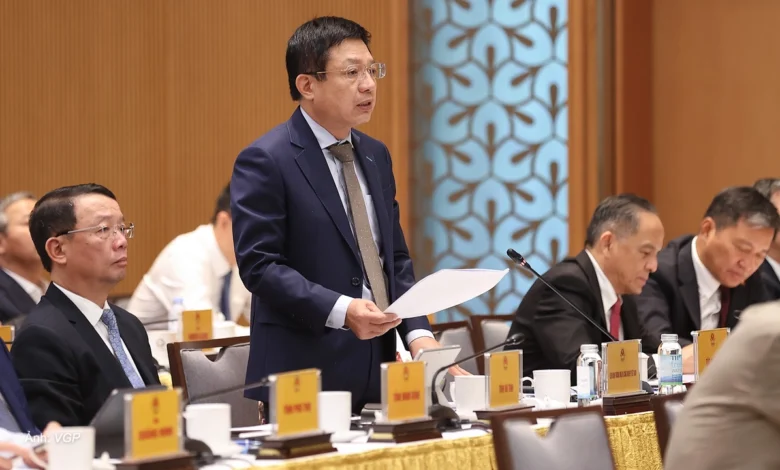
In the current landscape of rapid legislative evolution, the Vietnamese business community finds itself navigating a precarious environment where regulatory overlaps and legal gaps have created a significant "compliance trap." During a high-level conference held on July 18, the Chairman of the Vietnam Chamber of Commerce and Industry (VCCI), Ho Sy Hung, highlighted a paradox facing many enterprises: adhering to outdated regulations leads to operational stagnation, while failing to anticipate unreleased replacement documents leaves them vulnerable to accusations of legal violations. This sentiment was a cornerstone of the dialogue between the Government’s Standing Committee and the business community, aimed at "removing bottlenecks, clearing resources, and boosting growth."
The conference marked a historic milestone as the first time in the current term that the Standing Government engaged in such a direct and comprehensive meeting with the business community. Chaired by government leaders, the event served as a platform for transparency, where nearly 900 specific feedback points from domestic enterprises, Foreign Direct Investment (FDI) entities, and various business associations were synthesized into 53 major groups of obstacles spanning 10 critical economic sectors.
The Institutional Bottleneck and the "Compliance Trap"
According to VCCI Chairman Ho Sy Hung, the most pervasive issue reported by businesses is institutional instability. The transition between old and new legal frameworks has been far from seamless. In many instances, existing regulations have reached their expiration dates or have been rendered ineffective, yet the guiding circulars or replacement decrees have yet to be enacted. This creates a legal vacuum.
"Businesses are falling into a situation where if they follow the old ways, they are stuck in bureaucracy, but if they do not follow them, they are deemed to be in violation," Chairman Hung stated. This "compliance trap" is exacerbated by the high frequency of legislative changes that lack adequate transitional periods. The result is a profound sense of legal risk that discourages long-term investment and stifles innovation, as companies fear retroactive penalties or the sudden invalidation of their operational models.
The VCCI report emphasized that this uncertainty is not merely a technicality but a fundamental barrier to the "smoothness" of the economy. When the rules of the game change mid-stream without clear instructions on how to navigate the transition, the risk premium for doing business in Vietnam rises, potentially impacting the country’s attractiveness to international investors.
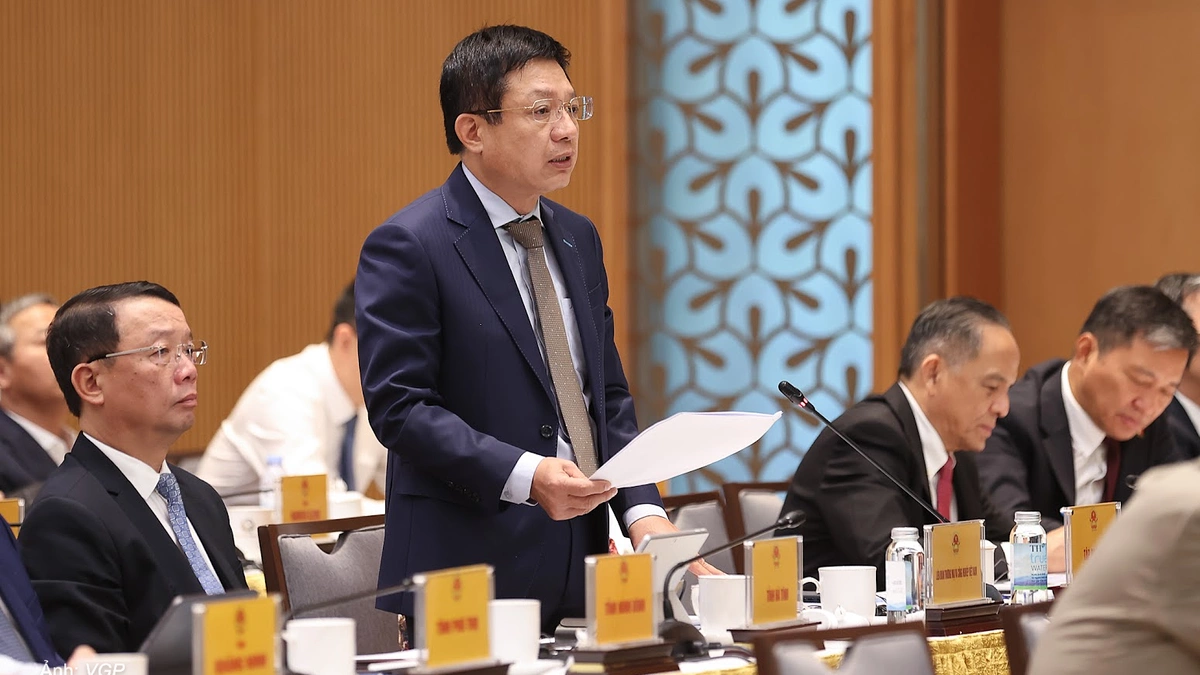
Financial Stagnation: VAT Refunds and the National Single Window
Beyond broad institutional concerns, the conference delved into specific financial and logistical hurdles that are currently "freezing" corporate cash flows. A primary grievance involves the process of Value Added Tax (VAT) refunds. Many businesses reported that their legitimate refund claims have been suspended indefinitely because their business partners—third-party suppliers or contractors—have "gone missing" or are under investigation for tax evasion.
While tax authorities aim to prevent fraud, the current "guilty by association" approach has resulted in the "incarceration" of capital for honest enterprises. This lack of liquidity forces companies to seek high-interest loans to maintain operations, effectively penalizing them for the actions of external entities over which they have no control.
Furthermore, the "National Single Window" (NSW) portal—designed to streamline customs and import-export procedures—has reportedly been plagued by technical failures. VCCI cited instances where imported chemicals remained stuck at ports for extended periods due to portal errors. These delays do not just halt production; they incur substantial secondary costs, including port storage fees and demurrage, which erode the competitiveness of Vietnamese exports.
The Land Rent Shock: A 35-Fold Increase
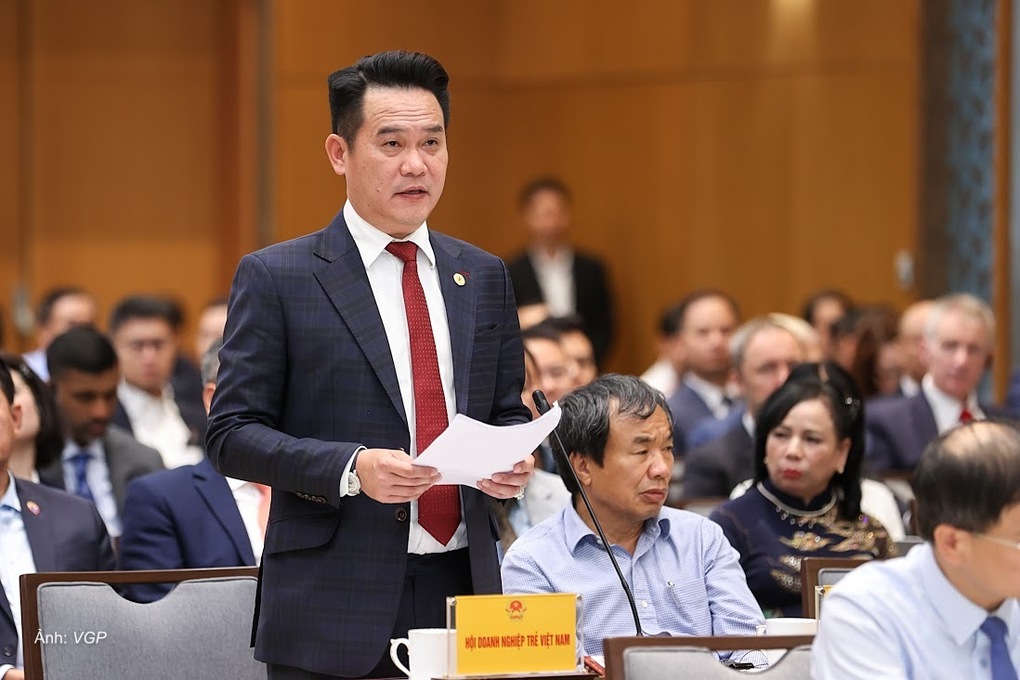
One of the most striking testimonies at the conference came from Dang Hong Anh, Chairman of the Vietnam Young Entrepreneurs Association. He brought to light a looming crisis regarding land rent policies, particularly in provinces like Khanh Hoa and Ninh Thuan.
According to the Association’s data, businesses are facing astronomical surges in land lease costs that threaten their very existence. He cited a specific case where land rent was approximately 600 million VND per year during the 2016-2020 period. This figure rose to 4.3 billion VND for the 2021-2025 period and is projected to skyrocket to 20.8 billion VND for the 2026-2030 cycle.
This represents a staggering 35-fold increase compared to the initial contract signed with the provincial authorities. For many enterprises, particularly those in the tourism and resort sectors which require large land footprints, these costs are unsustainable. In some instances, land rent alone is projected to consume 50% of a company’s net revenue by 2025. The Young Entrepreneurs Association urged the government to review the methodology, ratios, and cycles for determining land prices to ensure stability and predictability, preventing "sudden shocks" that could bankrupt established firms.
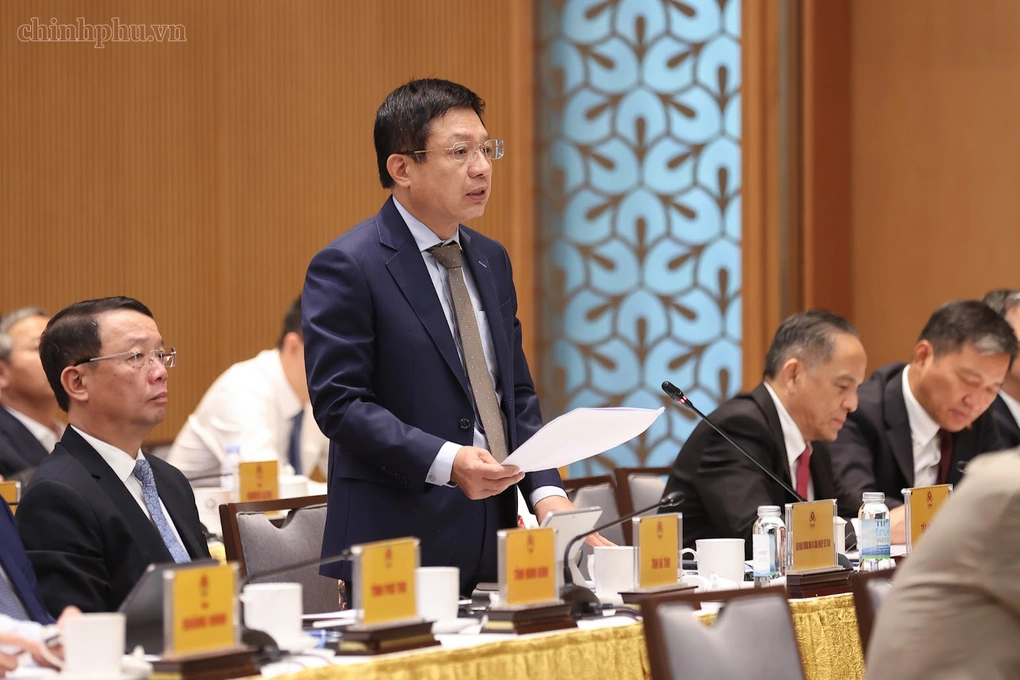
Green Credit and the Push for Sustainability
As Vietnam moves toward its Net Zero commitments, the role of "Green Credit" has become a focal point for the private sector. Nguyen Thi Nga, Acting Chairperson of the Vietnam Private Business Association and Chairperson of the BRG Group, highlighted both the potential and the pitfalls of green financing.
While green credit outstanding has surpassed 700 trillion VND, growing at an average rate of over 20% annually, it still only accounts for approximately 4.3% of the total credit in the economy. Ms. Nga argued that the transition to a circular economy is being hindered by a lack of concrete support mechanisms. She proposed that the government implement a 2% annual interest rate support package from the state budget specifically for green projects and circular economy investments.
To ensure this policy’s effectiveness, she emphasized the need for clear criteria, transparent monitoring, and defined eligibility requirements to prevent policy abuse. Additionally, the Private Business Association recommended the creation of a "National Supply Chain Development Program" to link large-scale manufacturers with small and medium-sized enterprises (SMEs) and cooperatives through technology transfer and shared logistics infrastructure.
Government Mandate: "One Process, One Result"
In response to these multifaceted challenges, the Government’s Standing Committee issued a series of stern directives to ministries and local authorities. The presiding leaders demanded a shift from "citing the law to explain difficulties" to "finding legal ways to solve problems."
The Prime Minister’s closing remarks emphasized that no "legal gaps" should be allowed to exist. When a regulation expires, a transitional mechanism must be in place immediately to ensure that businesses are not left in limbo. Furthermore, the government proposed the adoption of the "One portal, one process, one result" principle for inter-agency issues. This would require government bodies to coordinate internally rather than forcing businesses to act as the "connective tissue" between different departments.
Key takeaways from the government’s response include:
- Administrative Reform: A mandate to cut unnecessary compliance costs and streamline specialized inspections.
- Resource Mobilization: Urgent solutions to clear bottlenecks in land, capital, and investment to ensure cash flow for production.
- Accountability: Establishing direct hotlines for business feedback and creating a "satisfaction index" to measure the performance of local officials.
- Cost Evaluation: Every new policy must undergo a rigorous assessment of its impact on business competitiveness and compliance burdens.
Broader Implications and Economic Outlook
The July 18 conference serves as a critical pulse-check for the Vietnamese economy. The transition from a low-cost, labor-intensive economy to one driven by high-tech manufacturing and green energy requires a sophisticated legal infrastructure that Vietnam is currently struggling to build in real-time.
The "anxiety" expressed by the VCCI and other associations suggests that while the government’s macro-economic targets are ambitious, the micro-economic reality is hampered by a "fear of responsibility" among lower-level officials. Many bureaucrats, wary of making mistakes during a period of intense anti-corruption efforts, have defaulted to a "wait-and-see" approach, which further slows down the approval of projects and the disbursement of funds.
If the government successfully implements the "one-stop" principle and stabilizes land and tax policies, it could unlock billions of dollars in dormant capital. However, the recurring theme of the conference remains clear: the business community does not just need incentives; it needs a predictable, stable, and transparent legal environment where "compliance" is a clear path rather than a moving target.
As Vietnam enters the second half of the year, the effectiveness of these government directives will be measured not by the number of meetings held, but by the speed at which VAT refunds are processed, the stability of land lease rates, and the technical reliability of the National Single Window. For the 900 opinions voiced at the conference, the hope is that the dialogue marks the beginning of a genuine institutional "unblocking" that will fuel the next phase of national growth.