AI Talent in Vietnam Commands Salary Premiums of Up to 50 Percent as Industry Shifts Toward Automation


The rapid evolution of Artificial Intelligence (AI) and its widespread adoption across the corporate landscape have fundamentally altered the labor market for Information Technology (IT) professionals in Vietnam. According to a comprehensive report titled "The Challenges of Human Resources and Recruitment in the AI Era (2024-2025)," published by VietnamWorks inTECH, a division of Navigos Group, companies are now actively seeking specialists capable of navigating AI-driven environments, often paying significant salary premiums to secure this niche talent.
The report, which synthesized data from surveys conducted in July and August 2024 involving nearly 500 enterprises and 1,500 employees, reveals that over 62% of surveyed businesses are offering compensation packages for AI-related roles that exceed standard IT positions by 10% to 50%. This shift underscores a broader structural transformation in the technology sector as firms pivot from traditional software development toward AI-integrated operations.

Market Dynamics and the Stability of the IT Sector
During the first half of 2024, the Vietnamese IT job market exhibited signs of cautious stability. The industry-wide turnover rate hovered at approximately 32%, a figure that reflects a tempered but steady movement of human capital. However, beneath this surface-level stability lies a more dynamic and competitive landscape. The survey indicates that over 65% of current IT personnel are either actively seeking new employment or planning to transition to new roles within the next six to twelve months.
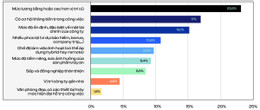
For job seekers, the criteria for selecting a new employer have become increasingly sophisticated. While financial compensation remains the primary driver, professionals are placing greater emphasis on long-term career progression and the fiscal stability of potential employers. Furthermore, there is a growing trend of candidates expressing a willingness to take on expanded responsibilities—a "multi-tasking" approach that is increasingly favored by organizations looking to maximize the output of smaller, highly efficient teams.
The Rise of AI as a Salary Catalyst
The most striking finding of the Navigos Group report is the emergence of a clear "AI premium" in recruitment. When breaking down the salary benchmarks, 43.7% of surveyed enterprises reported that they pay AI-focused personnel 10% to 20% more than their counterparts in general IT roles. Perhaps more notably, 18.4% of employers indicated they are willing to pay a premium ranging from 20% to 50% for these specialized skills.

This shift in compensation reflects the urgency with which companies are attempting to integrate Generative AI into their product pipelines. The most difficult positions to fill currently include product management and development leadership roles, with 25.6% of companies citing these as the most challenging to staff. Employers frequently attribute these hiring hurdles to a mismatch between current applicant skill sets and the specific requirements of the evolving AI-centric infrastructure.
The Evolution of Essential Skills
As organizations integrate AI, the demand for specific roles is also shifting. Backend and Frontend Developers remain the most sought-after, accounting for 22.5% of projected hiring needs for 2025. This is followed closely by Product Owners, Product Managers, and Project Managers at 15.7%. However, the core of these roles is changing. A developer today is no longer judged solely by their ability to write raw code; they are evaluated on their proficiency in using AI-driven tools to generate code, troubleshoot, and optimize architectural design.
According to Phan Thanh Hien, Director of Products and Technology at Navigos Group, the rapid advancements in Generative AI have created a clear divide between professionals who embrace these tools and those who remain tethered to traditional workflows. "Those who know how to harness the power of AI will surpass others in productivity," Hien stated. "Conversely, those who fail to adapt face the risk of being replaced by more efficient, AI-augmented competitors."
Chronology of the AI Recruitment Shift
The integration of AI into the Vietnamese recruitment landscape did not happen overnight. The following timeline illustrates the progression of this trend:
- Early 2023: Initial interest in Generative AI tools (such as ChatGPT) sparks early experimentation within tech startups in Ho Chi Minh City and Hanoi.
- Late 2023: Large enterprises begin to formalize AI strategies, leading to the first wave of demand for prompt engineers and AI-specialized developers.
- Mid-2024: The publication of the VietnamWorks inTECH report confirms that AI has transitioned from a "niche interest" to a core requirement for nearly every major IT firm.
- Late 2024 to 2025 (Forecast): A transition toward institutionalizing AI training programs is expected, as companies move from hiring external AI talent to upskilling existing workforces.
Professional Reactions and Strategic Implications
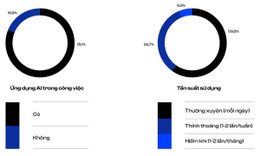
The findings from Navigos Group serve as a wake-up call for both HR departments and the workforce. The report highlights that over 80% of surveyed IT professionals are already using AI to assist in their daily tasks, with nearly 60% employing these tools on a daily basis. Despite this high usage rate, there remains a significant gap in the formal certification and mastery of these technologies.
Professional bodies and industry analysts suggest that the "soft skills" of AI management—such as critical thinking, output validation, and the ability to oversee AI-driven project cycles—are becoming as important as technical coding proficiency. The human element of the development lifecycle remains paramount; AI can accelerate the writing of code, but it cannot replace the strategic decision-making required for long-term product success.
The Future of the IT Labor Market
As the market moves into 2025, the competitive landscape will be defined by an organization’s ability to create a "culture of AI." This goes beyond simply hiring expensive talent; it requires a systemic investment in training and the development of internal processes that allow employees to use AI tools safely and effectively.
For individual professionals, the path forward is clear: continuous learning is no longer optional. Professionals who integrate AI into their personal workflows will see their market value increase, while those who rely on legacy methods risk obsolescence. The data provided by the Navigos Group survey makes it evident that the "AI era" in Vietnam is no longer a future prospect—it is the current reality of the labor market.
In conclusion, the intersection of AI and human labor in Vietnam is currently characterized by high premiums, intense competition, and a rapid, necessary evolution of skill sets. As the industry continues to mature, the successful companies will be those that effectively balance the raw processing power of AI with the irreplaceable judgment, creativity, and management capabilities of human IT professionals.