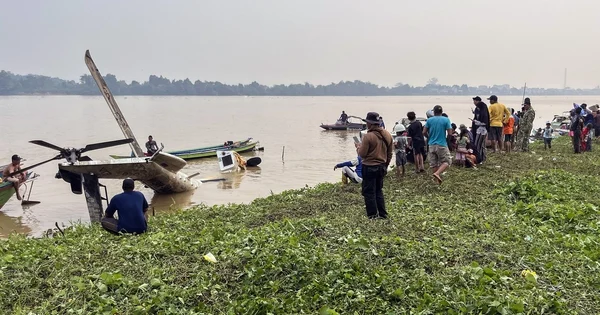
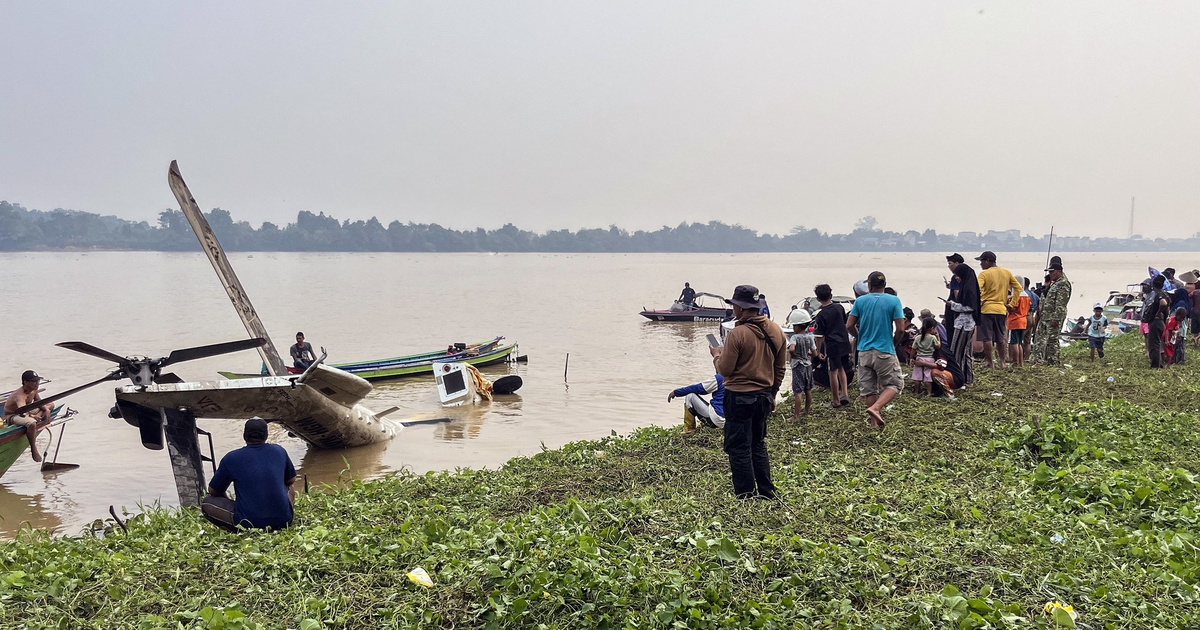
A major aviation accident occurred on November 8, 2026, when a helicopter deployed for aerial firefighting operations crashed into a river in the South Kalimantan province of Indonesia. The incident, which took place on the island of Borneo, marks the second time in less than a week that an aircraft tasked with combating the nation’s severe forest fires has met with a catastrophic failure.
According to Berton Panjaitan, a spokesperson for Indonesia’s National Disaster Management Agency (BNPB), the helicopter, identified as an EC225LP Super Puma operated by a private contractor, was engaged in water-bombing operations when it descended rapidly and impacted the Barito River. The crash has once again brought to the forefront the extreme operational hazards faced by pilots and ground crews as they struggle to contain a wildfire crisis that has ravaged over 1.9 million hectares of land across Sumatra, Borneo, and Papua.
Chronology of Recent Aviation Accidents
The incident on November 8 is part of a disturbing trend of aviation failures during the current wildfire season. On November 4, 2026, a separate military helicopter involved in similar firefighting efforts crashed into a water source on the island of Borneo. That accident was significantly more lethal, resulting in the deaths of three of the eight crew members on board.
The proximity of these two crashes—separated by only four days—has prompted immediate concern among civil aviation authorities and emergency response agencies. While the military crash on November 4 is still undergoing a formal investigation, early reports suggest that the helicopter experienced mechanical difficulties while attempting to retrieve water. In the latest incident involving the EC225LP Super Puma, footage captured at the scene depicts the aircraft hovering to collect water before losing stability, struggling against heavy winds or technical failure, and ultimately plunging into the river.
Current Status of the Crew
Emergency responders were quickly dispatched to the site of the November 8 crash on the Barito River. According to initial reports provided by the National Disaster Management Agency, there were three individuals on board the Super Puma. Two of the crew members, both of whom hold German citizenship, were rescued from the wreckage and are currently reported to be in stable condition.
However, the third crew member, an Indonesian national, remained missing as of the evening of November 8. Search and rescue teams, supported by local authorities and volunteer groups, have intensified their efforts to locate the missing pilot. The challenging conditions of the river, coupled with the dense smoke from nearby forest fires reducing visibility, have complicated the rescue operation.
The Scale of Indonesia’s Wildfire Crisis
The backdrop to these accidents is one of the most severe wildfire seasons Indonesia has faced in recent years. The fires have been fueled by a combination of prolonged drought, land-clearing practices, and the accumulation of dry peatland, which is highly combustible. As of early November 2026, the total area scorched by the fires has surpassed 1.9 million hectares, triggering an ecological and health emergency.
The Indonesian government has categorized the situation as a national priority, deploying thousands of personnel to the front lines. The strategy relies heavily on a combination of ground-based firefighting units and aerial assets. Helicopters and fixed-wing aircraft are critical to this strategy, as they provide the only means of delivering large quantities of water to remote, inaccessible areas deep within the rainforests of Borneo and Sumatra.
Technical and Operational Challenges
The use of helicopters in firefighting is inherently risky, particularly in the humid, tropical, and often smoke-filled environments found in Indonesia. Aerial firefighting requires pilots to perform high-precision maneuvers, including hovering at low altitudes to dip buckets into rivers or lakes, and then maneuvering rapidly to drop water on shifting, unpredictable fire lines.

The EC225LP Super Puma is a heavy-lift helicopter known for its capability in search and rescue and utility missions. However, the high temperatures, unpredictable air currents caused by intense fire heat, and the mechanical stress of constant water-bombing sorties create a hostile operating environment. Aviation experts note that when smoke density increases, visual flight rules (VFR) become difficult to maintain, increasing the risk of spatial disorientation or engine ingestion of debris and ash.
Official Responses and Regulatory Implications
In response to the back-to-back crashes, the Indonesian Ministry of Transportation and the National Transportation Safety Committee (KNKT) have announced an urgent review of the safety protocols for all aircraft involved in the firefighting campaign.
"We are conducting a thorough review of both incidents to determine if there is a common pattern in the mechanical failures or if the operational tempo is pushing these aircraft and their crews beyond safe limits," a spokesperson for the aviation regulatory body stated.
The government is also facing pressure to modernize its fleet and reassess the reliance on older or heavily used private-contracted aircraft. While the use of international contractors is common to supplement the national firefighting fleet, the recent accidents have highlighted potential gaps in the maintenance and certification standards for these specialized operations.
Broader Environmental and Economic Impact
Beyond the immediate human toll and the tragic loss of life, the fires represent a massive economic burden for Indonesia. The destruction of forests and peatlands results in the release of millions of tons of carbon dioxide, contributing significantly to global climate instability. Furthermore, the thick haze resulting from the fires has led to widespread school closures, aviation delays, and a spike in respiratory illnesses across the region.
The economic cost of the firefighting operations themselves—which include the rental of heavy-lift aircraft, the mobilization of thousands of troops, and the logistical support for remote camps—is astronomical. The loss of two major helicopters in less than a week not only hinders the physical effort to put out the fires but also represents a significant financial loss for the companies involved and complicates the insurance and contracting landscape for future aerial support.
Outlook for the Coming Weeks
Meteorological forecasts for the region indicate that the dry conditions are likely to persist for at least another two weeks before the onset of the monsoon season. This suggests that the demand for aerial firefighting support will remain critical. The authorities are now faced with the delicate task of balancing the urgent need to suppress the fires with the absolute necessity of ensuring the safety of the pilots who are risking their lives to protect the environment.
As the investigation into the November 8 crash proceeds, the focus will remain on the recovery of the missing crew member and the identification of the root cause of the mechanical failure. The international community, which has expressed concern over the environmental impact of the Indonesian fires, will likely watch closely to see how the government manages the dual crises of ecological destruction and aviation safety.
The tragedy in South Kalimantan serves as a somber reminder of the high price of environmental protection. As the search operations continue on the Barito River, the Indonesian government remains under immense pressure to bring the fires under control while ensuring that no more lives are lost in the hazardous skies above the burning forests.