Can Tho International Airport Faces Steep Decline in Flight Routes and Passenger Volume Amid Post-Pandemic Struggles

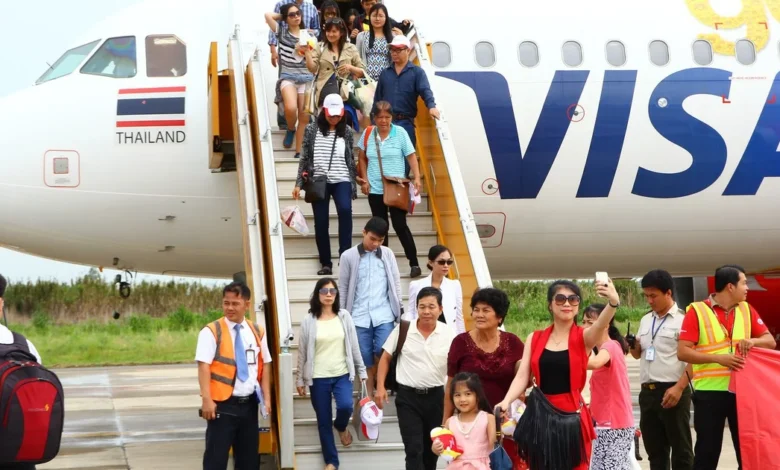
Can Tho International Airport, once envisioned as the primary aviation hub for Vietnam’s Mekong Delta region, is currently grappling with a severe operational downturn. Recent data released by the Can Tho City Department of Finance, following a review of business feedback compiled by the Vietnam Chamber of Commerce and Industry (VCCI), reveals that both flight frequencies and passenger numbers have plummeted by nearly half compared to pre-pandemic peaks. Local authorities are now scrambling to formulate comprehensive economic and tourism strategies to revive the struggling aviation infrastructure and stimulate regional travel demand.
A Modern Facility with Underutilized Potential
Commissioned to serve as a vital economic gateway for the southwestern region of Vietnam, the Can Tho International Airport was constructed to meet Level 4E standards under International Civil Aviation Organization (ICAO) guidelines. The facility is equipped to handle up to three million passengers annually and features a robust infrastructure capable of accommodating large, wide-body aircraft such as the Boeing 777-300ER and Boeing 747-400. Its advanced technical capabilities were intended to position Can Tho as a major domestic and international transit node, bypassing the need for travelers from the Mekong Delta to commute entirely through Ho Chi Minh City’s Tan Son Nhat International Airport.
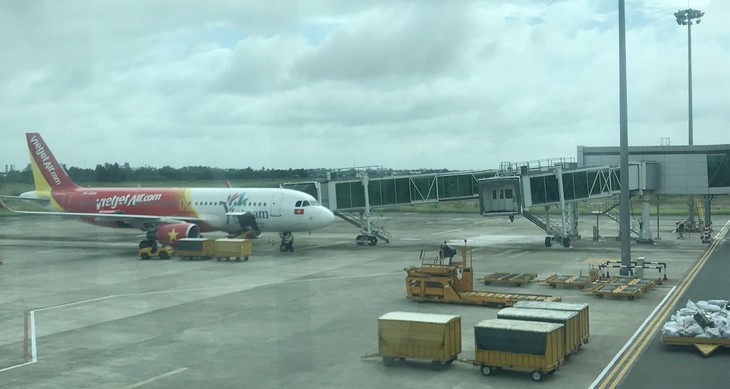
However, the airport’s current operational reality starkly contrasts with its architectural capacity. Out of the six designated flight routes currently operational, only two commercial carriers—Vietjet Air and Vietnam Airlines—maintain a regular presence at the terminal. The dramatic contraction in carrier participation has left significant portions of the terminal underutilized, raising serious concerns among regional planners, investors, and local business owners regarding the return on investment for public infrastructure in the region.
A Chronological Overview of Growth and Decline
The trajectory of Can Tho International Airport over the past decade illustrates the vulnerability of regional aviation hubs to macroeconomic shocks and shifting airline strategies.
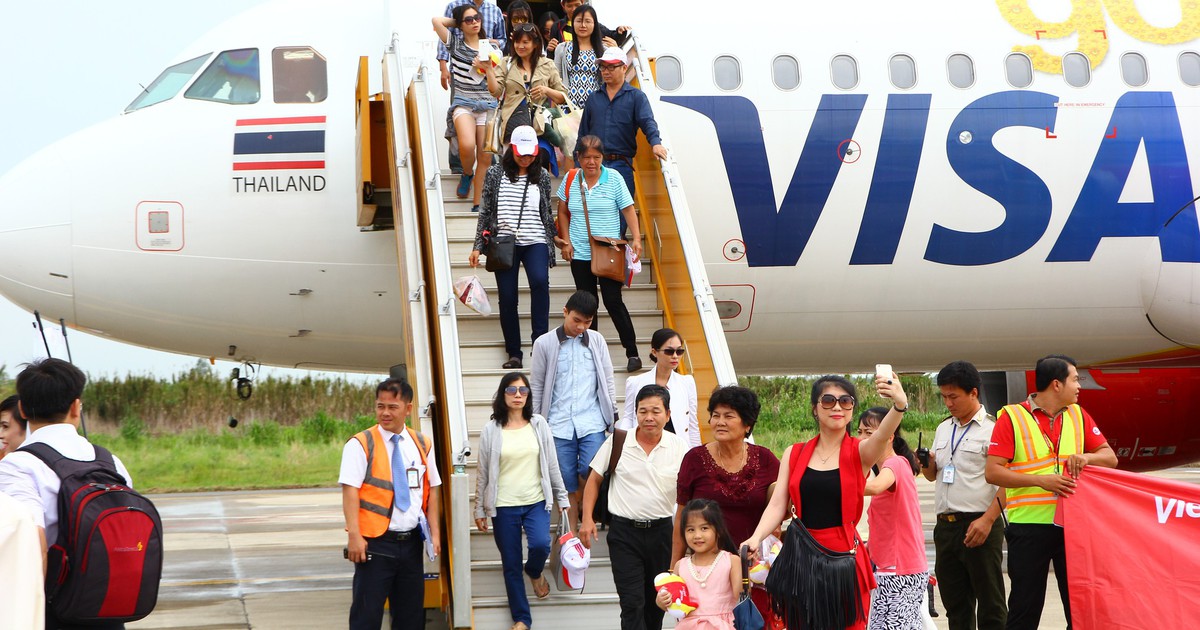
During the golden period prior to the COVID-19 pandemic, specifically in 2019, the airport experienced robust growth. At its peak, three major carriers—Vietnam Airlines, Vietjet Air, and Bamboo Airways—operated a combined network of 11 domestic routes connecting Can Tho with major hubs such as Hanoi, Da Nang, Hai Phong, Vinh, Phu Quoc, Con Dao, Quy Nhon, Thanh Hoa, Buon Ma Thuot, Nha Trang, and Da Lat. In addition, the airport successfully maintained four international routes linking the Mekong Delta directly with destinations in South Korea, Thailand, Malaysia, and Taiwan.
The annual performance metrics from 2019 reflected this success, with the airport recording 1,334,827 passengers and handling 9,299 tons of cargo. These figures validated the strategic investments made in the region and underscored the growing economic dynamism of the Mekong Delta.
The onset of the global COVID-19 pandemic in 2020 abruptly halted this upward momentum, triggering widespread travel restrictions and devastating financial losses for the aviation sector. While domestic travel experienced intermittent revivals following the lifting of pandemic lockdowns, the structural recovery for Can Tho was uneven at best.
The situation worsened significantly in late 2023 when Bamboo Airways, facing severe restructuring pressures and fleet optimization mandates, officially suspended its operations to and from Can Tho on November 20, 2023. This departure reduced the active airline presence to just two carriers, further constricting travel options for local residents and tourists.
Current Operational Status and Statistical Contraction
An analysis of operational statistics spanning from 2019 to 2025 highlights a persistent downward trend across all key performance indicators. The number of domestic routes has dropped from 11 to just 6, representing a contraction of approximately 45 percent. The number of active commercial airlines has decreased by a third, leaving the airport heavily reliant on a duopoly of carriers.
The international sector has suffered an even more catastrophic decline. While the airport previously maintained regular international connections to South Korea, Thailand, Malaysia, and Taiwan, these routes were progressively scaled back. By the 2019-2025 period, international operations had been reduced to seasonal charter flights exclusively servicing South Korea and Taiwan during the Lunar New Year (Tet) holiday period. Currently, Can Tho International Airport operates zero regular international flights, effectively stripping the facility of its "international" designation status in practical day-to-day operations.

Stakeholder Concerns and Municipal Response
The steady decline in flight frequencies has triggered formal grievances from business associations and local enterprises. In recent submissions to municipal authorities via VCCI reports, business leaders emphasized that the underperformance of critical transport infrastructure directly impedes regional trade, tourism development, and foreign investment attraction. Companies argued that high ticket prices resulting from limited competition, combined with sparse flight schedules, discourage business travelers and tourists from choosing Can Tho as a destination.
Responding to these grievances, the Can Tho City Department of Finance, drawing on detailed assessments from the Department of Construction, acknowledged the bottlenecks. Municipal leaders have initiated inter-agency dialogues involving the Ministry of Construction, civil aviation authorities, and both domestic and international airline executives to devise a holistic rescue plan.
Strategic Interventions for Route Revival
To address the root causes of the downturn, the municipal government has formulated a multi-pronged strategy centered on tourism promotion, infrastructure enhancement, and industrial development. Recognizing that airlines will only restore routes if passenger demand is guaranteed, the city is shifting its focus toward stimulating both leisure and corporate travel.
Tourism Promotion and Destination Marketing
The city plans to roll out targeted financial and logistical support packages designed to stimulate tourism tied directly to Can Tho Airport. Key initiatives include:
- Co-funding extensive marketing and communication campaigns to promote Can Tho and the wider Mekong Delta as premier travel destinations.
- Organizing specialized familiarization (FAM) trips and press trips for travel agencies, tour operators, and international journalists to showcase local tourism assets.
- Collaborating with airlines, hotels, and tourist sites to research and implement subsidized ticket pricing, promotional package deals, and dual-destination discount schemes for both domestic and international travelers.
Enhancing High-End Tourism Infrastructure
A major deterrent to prolonged tourist stays in Can Tho has been the relative scarcity of luxury accommodations and integrated entertainment complexes. To combat this, the city is actively courting strategic investors to develop high-end hotels, resorts, amusement parks, and integrated tourism real estate projects. Municipal planners are prioritizing the development of:
- Luxury convention and exhibition hotels capable of capturing the lucrative MICE (Meetings, Incentives, Conferences, and Exhibitions) tourism market.
- Integrated wellness, leisure, and entertainment complexes.
- High-end eco-tourism resorts that leverage the unique riverine ecosystem of the Mekong Delta.
By upgrading the local hospitality ecosystem, the city aims to extend the average length of stay for visitors, thereby increasing overall tourism expenditure and generating stable, organic passenger demand for the airport’s flight network.
Industrial Expansion and Business Travel
In tandem with tourism initiatives, Can Tho is accelerating the development and expansion of major industrial parks across the municipality. By improving the local business climate and investing heavily in industrial real estate, the city hopes to attract a greater influx of domestic and foreign direct investment (FDI), corporate executives, technical experts, and industrial labor. This strategy is designed to cultivate a reliable, year-round base of business travelers who require frequent air connectivity, laying a sustainable foundation for long-term route expansion and financial viability for commercial carriers.
Broader Economic Implications for the Mekong Delta
The challenges facing Can Tho International Airport extend far beyond municipal boundaries, reflecting broader systemic issues within Vietnam’s regional aviation planning. As the economic capital of the Mekong Delta—a region home to nearly 20 million people and responsible for a significant share of Vietnam’s agricultural and aquaculture exports—Can Tho requires robust multi-modal transport networks to sustain its economic ambitions.
Without a functioning international and domestic aviation hub, the Mekong Delta risks structural economic isolation, placing an undue logistical burden on highway networks connecting the region to Ho Chi Minh City. The ongoing congestion on regional expressways further underscores the urgency of revitalizing the airport.
Economists note that the revival of Can Tho Airport is not merely a matter of airline subsidies, but a critical catalyst for regional competitiveness. A successful turnaround will depend on the seamless coordination between central government ministries, local government incentives, and commercial airlines willing to take calculated risks on emerging regional markets.
As Can Tho steps up its collaborative efforts with national regulators and industry stakeholders over the coming months, the ultimate test will lie in the execution of these integrated economic and tourism policies. If successful, Can Tho International Airport may finally fulfill its original mandate as a thriving aviation gateway, reconnecting the Mekong Delta with the broader domestic and global economy.