Vietnam Stock Exchange Finalizes Major Restructuring Plan to Consolidate Equity Trading on HOSE by End of 2026

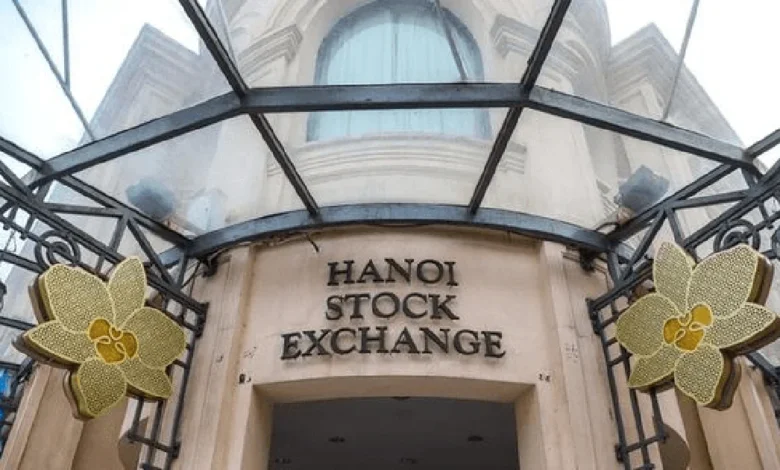
The Vietnam Stock Exchange (VNX) has officially announced a definitive roadmap for the comprehensive restructuring of the national securities market, a move that marks the final stage of a long-term strategic consolidation. According to the recently issued guidelines, December 23, 2026, will serve as the final trading day for all stocks currently listed on the Hanoi Stock Exchange (HNX). This transition is a direct implementation of Circular No. 139/2025/TT-BTC, issued by the Ministry of Finance on December 30, 2025, which aims to streamline market operations, enhance regulatory oversight, and improve liquidity for investors.
The Transition Timeline and Procedural Adjustments
The migration of listings from the HNX to the Ho Chi Minh City Stock Exchange (HOSE) will follow a strictly regulated timeline to ensure market stability and prevent disruption to investor portfolios. Following the final trading session on the HNX on December 23, 2026, a mandatory suspension period will be observed on December 24 and December 25, 2026. During these two business days, the relevant technical infrastructure and data migration protocols will be finalized to facilitate the transfer of assets.
Investors should note that while the equity market undergoes this migration, other financial instruments managed by the HNX, including bond trading, derivatives, and the Unlisted Public Company Market (UPCoM), will continue to operate according to their standard schedules. The first trading session for the relocated stocks on the HOSE is scheduled for December 28, 2026. From this date forward, the HOSE will serve as the unified venue for all official stock listings in Vietnam, effectively ending the era of split equity markets between the two major cities.
Legislative Background: Circular 139 and Market Reform
The decision to centralize equity trading under the HOSE is the culmination of years of structural reform. Circular 139/2025/TT-BTC represents a significant evolution of previous legislative frameworks, specifically amending and supplementing Circular 57/2021/TT-BTC and Circular 69/2023/TT-BTC. These previous mandates were designed to lay the groundwork for a more cohesive, transparent, and efficient national stock market.
For over a decade, the Vietnamese market operated under a dual-exchange model that often created confusion for international investors and led to fragmented liquidity. By consolidating equities onto a single platform, regulators aim to eliminate technical discrepancies between the two exchanges and provide a unified regulatory environment. This shift is expected to bolster investor confidence, reduce compliance costs for listed firms, and provide a clearer picture of market performance.
Defining Institutional Roles: A New Division of Labor
Post-restructuring, the VNX has clearly delineated the responsibilities of the two exchanges to maximize operational efficiency. The Ho Chi Minh City Stock Exchange (HOSE) will focus exclusively on:
- Equity Trading: All listed common stocks.
- Fund Certificates: Including Exchange Traded Funds (ETFs).
- Covered Warrants: Providing a robust platform for these increasingly popular investment products.
Conversely, the Hanoi Stock Exchange (HNX) will pivot its focus toward becoming a specialized hub for non-equity financial products and emerging markets. Its future mandate includes:
- Fixed Income Markets: Serving as the primary venue for government and corporate bond trading.
- Derivatives Market: Managing futures and options contracts.
- UPCoM: Maintaining the market for public companies that have yet to meet the stringent requirements for full listing.
Future-Proofing the HNX: Innovation and Carbon Markets
While the loss of equity listings is a significant change for the HNX, the exchange is not scaling back its ambitions. Rather, it is transitioning into a developmental role for the next generation of financial products in Vietnam. Under the new strategy, the HNX has been tasked with spearheading the development of the national carbon credit exchange. This is a critical component of Vietnam’s commitment to net-zero emissions and the global green transition.
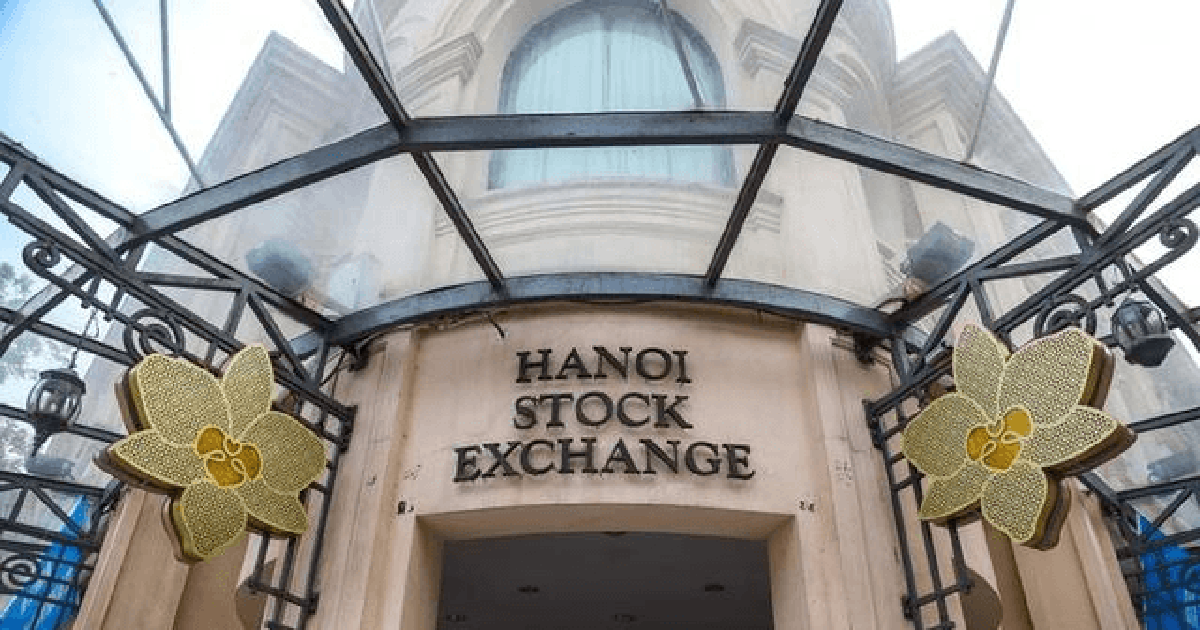
Additionally, the HNX will focus on fostering the startup ecosystem by developing specialized trading platforms for innovative enterprises. By focusing on venture-friendly financial instruments and new, high-growth asset classes, the HNX is positioning itself to be at the forefront of Vietnam’s digital and sustainable economic transformation.
Implications for Market Participants
The VNX has issued a strong advisory to all listed companies, market members (securities firms), and investors to begin preparation immediately. The complexity of moving thousands of stock tickers between systems requires close coordination with the Vietnam Securities Depository and Clearing Corporation (VSDC).
For investors, the migration should be largely seamless from a portfolio perspective, as existing holdings will be automatically transferred to the HOSE system. However, market participants should remain vigilant regarding announcements from their brokerage firms, which may adjust their internal trading interfaces or client service protocols in the lead-up to the December 2026 deadline.
Market Analysis: Why Consolidation Matters
The consolidation of equity trading is expected to have several positive long-term implications for the Vietnamese capital market:
- Improved Liquidity and Price Discovery: By pooling all equity trading volumes onto a single exchange, the market depth is expected to increase, leading to more accurate price discovery and lower bid-ask spreads.
- Regulatory Efficiency: Regulators will be able to monitor market activity more effectively through a unified system, enhancing the ability to detect and prevent market manipulation.
- Enhanced Global Standing: International rating agencies and index providers (such as MSCI and FTSE) have long cited market fragmentation as a hurdle for Vietnam’s upgrade from "Frontier" to "Emerging" market status. Consolidating the market is a direct answer to these concerns, potentially attracting significant foreign institutional capital.
- Operational Consistency: With a single set of listing rules and trading regulations, domestic companies will face a more predictable and streamlined environment, which may encourage more private firms to pursue initial public offerings (IPOs).
Preparing for the Final Phase
The transition period—specifically the two-day pause in late December 2026—will be a critical stress test for the nation’s financial IT infrastructure. During these two days, the VNX, in collaboration with the State Securities Commission (SSC), will conduct final data reconciliations to ensure that no trading data, dividend histories, or ownership records are compromised.
The authorities have emphasized that this transition is not merely a change of location but a fundamental upgrade of the national market infrastructure. As Vietnam continues to integrate further into the global economy, the ability to provide a world-class, centralized trading environment is essential.
Conclusion: A Strategic Pivot
The move to concentrate equity trading on the HOSE is a bold, necessary step in the maturation of the Vietnamese securities market. While the transition will require significant effort from all stakeholders, the result will be a more robust, liquid, and internationally competitive market. By diversifying the roles of the HOSE and the HNX, Vietnam is not only solving the problems of the past but is also creating a specialized, forward-looking financial ecosystem capable of supporting the next decade of national economic growth.
As the December 2026 deadline approaches, all eyes will be on the VNX and the SSC to ensure the migration is executed with precision. For investors and businesses alike, this change represents a new chapter—one defined by clarity, efficiency, and a renewed focus on the future of finance in Southeast Asia.