Cho Ray Hospital implements new medical examination and treatment price regulations starting September 28, 2026


The Ministry of Health has officially promulgated a comprehensive framework for medical examination and treatment service fees, which will take effect at Cho Ray Hospital starting September 28, 2026. This regulatory adjustment encompasses services covered by health insurance, those funded by the state budget, and specialized services falling outside the scope of health insurance coverage. As one of Vietnam’s leading tertiary referral hospitals, the implementation of these standardized pricing structures marks a significant shift in the hospital’s financial operations, aiming to enhance transparency, standardize care costs, and align with the national economic baseline.
Context and Regulatory Background
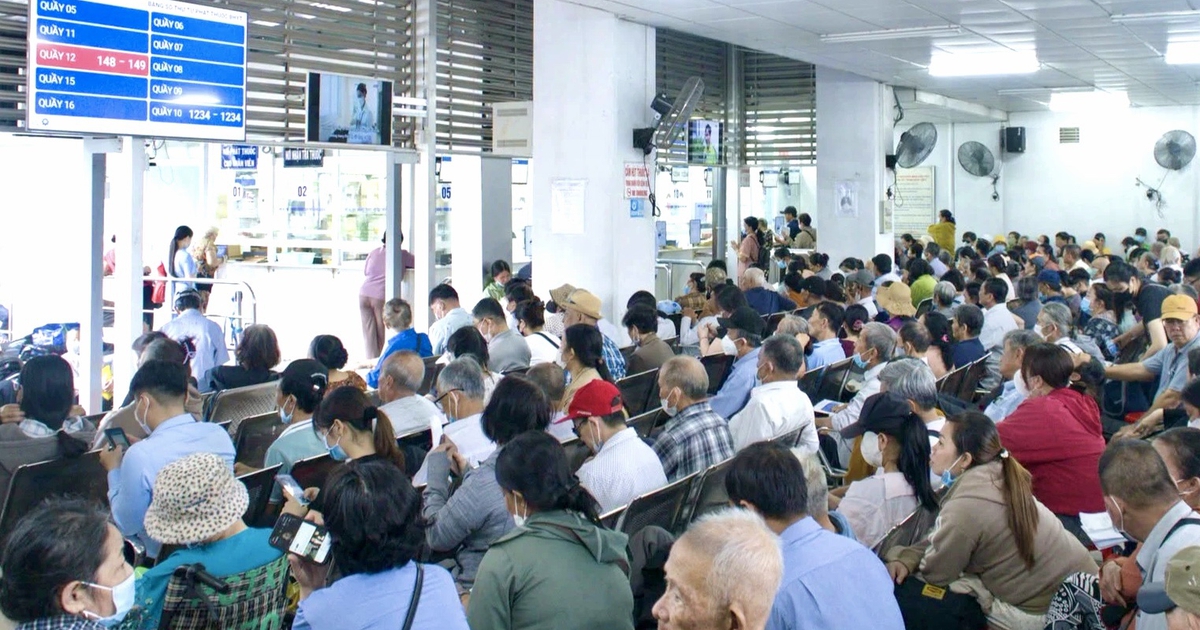
Cho Ray Hospital, located in Ho Chi Minh City, serves as a critical healthcare pillar in Southern Vietnam. Given its role as a "special-class" hospital, the institution handles a massive influx of patients with complex medical conditions requiring high-end technology and intensive multidisciplinary intervention. The Ministry of Health’s latest directive is part of a broader national initiative to refine healthcare financing, ensuring that service costs are reflective of the actual economic investment required to maintain high-quality clinical outcomes.
The new pricing model is designed to transition away from historical, fragmented cost estimates toward a more structured, tripartite accounting system. This system incorporates direct costs, labor costs, and management overheads, providing a clearer picture of how healthcare funding is allocated. The decision to implement these changes by late September 2026 follows an extensive review process by the Ministry of Health, intended to stabilize the financial viability of public hospitals while maintaining accessibility for the general public.
Breakdown of the Cost Structure
Under the new regulations, the Ministry of Health has defined three core pillars that constitute the price of a medical service. This methodology provides a transparent mechanism for patients and stakeholders to understand what their payments support:
- Direct Costs: This includes consumables excluding pharmaceuticals and oxygen, as well as the depreciation of diagnostic imaging equipment. Notably, while the use of the Picture Archiving and Communication System (PACS) is accounted for in the imaging costs, the expense of the PACS software itself and physical film printing are excluded, requiring separate assessment if applicable.
- Labor Costs: This category covers salaries, wages, allowances, and mandatory contributions. The salary component is calculated based on the current base salary of 2.34 million VND. This adjustment ensures that the professional efforts of medical staff are appropriately valued within the service price.
- Management Costs: This represents the administrative and overhead expenses necessary to keep a large-scale facility like Cho Ray operational.
Chronology of Implementation and Key Pricing
The implementation schedule is set for immediate adoption on September 28, 2026. The Ministry has mandated that Cho Ray Hospital must publicly display these prices to ensure that patients are fully informed before receiving services.
Diagnostic and General Examination Fees
For services outside the scope of health insurance, the cost for a general health check-up (including administrative certification and occupational health assessments, but excluding laboratory tests and X-rays) is set at 166,400 VND. For those seeking health clearances for labor export, the price is set at 468,000 VND, a slight increase from the previous baseline of 450,000 VND.
Inpatient and Intensive Care Costs
The cost for intensive care unit (ICU) services, which includes organ, marrow, and stem cell transplantation, is established at 1,058,000 VND per day. General emergency resuscitation beds are priced at 623,400 VND per day. For standard internal medicine wards, the daily bed rate ranges from 261,200 VND to 307,000 VND, while surgical and orthopedic wards range from 322,000 VND to 458,100 VND, excluding costs for ventilation machines and medical gases.
Diagnostic Imaging and Specialized Services
The Ministry has regulated over 5,700 technical and laboratory procedures. Common ultrasound services, including emergency abdominal ultrasounds, joint imaging, and urological assessments, are fixed at 61,000 VND. Doppler ultrasounds for cardiovascular and neurological assessment are set at 242,600 VND. High-complexity surgical procedures, such as advanced cardiovascular surgery or oncological resections, have price brackets ranging from 7.54 million VND to 9.96 million VND, though these figures exclude certain specialized medical supplies.
Official Directives and Institutional Accountability
The Ministry of Health has placed the burden of accountability squarely on the administration of Cho Ray Hospital. Hospital leadership is required to:
- Maintain Transparency: Prices must be clearly posted in accessible areas of the hospital.
- Legal Compliance: The hospital is legally responsible for the accuracy, honesty, and reasonableness of the data submitted to the Ministry.
- Audit Readiness: All documentation supporting the proposed price schemes must be maintained in accordance with national archival and auditing standards to allow for periodic review.
Implications for the Healthcare System
The introduction of this new pricing structure has broader implications for both the hospital and the patients it serves. By standardizing these costs, the Ministry of Health is attempting to reduce the "hidden costs" that often plague medical systems. For patients, the primary benefit is predictability; as costs become standardized, the discrepancy between different service providers is minimized, potentially reducing the financial burden on low-income families through more predictable health insurance claims.
However, the transition is not without challenges. Critics and analysts have noted that while standardization is beneficial, the continuous adjustment of base salaries and the inflation of medical equipment costs require the Ministry to maintain a flexible, responsive policy framework. If the pricing remains static while operational costs—such as electricity, specialized medical gas, and advanced diagnostic software—continue to rise, the hospital may face budgetary pressures that could eventually necessitate further revisions.
Future Outlook
As of September 28, 2026, Cho Ray Hospital will operate under this rigorous financial framework. This policy serves as a trial for broader systemic reforms in Vietnam’s healthcare sector. If successful, the methodology applied here—specifically the explicit separation of labor, management, and direct costs—could be rolled out to other national-level hospitals across the country.
The Ministry of Health’s focus on the "base salary" as a foundation for labor costs suggests a commitment to ensuring that healthcare workers receive fair compensation for their specialized labor. Simultaneously, the inclusion of diagnostic imaging infrastructure like PACS in the cost structure, while excluding the software itself, signals a pragmatic approach to how technology is integrated into modern medical billing.
Ultimately, the goal is to stabilize the financial environment of the nation’s most important medical facilities. By removing ambiguity in pricing, the Ministry aims to foster a more sustainable healthcare ecosystem where high-quality care is both accessible and financially transparent. As the public and the medical community observe the rollout of these regulations, the focus will remain on whether these price points are sufficient to sustain the high standards of care expected of an institution like Cho Ray, or whether further economic adjustments will be necessary in the coming fiscal cycles.