Medical Experts Issue Urgent Warning Against Viral Social Media Trend of Using Hot Rice-Flour Cakes to Treat Thyroid Nodules

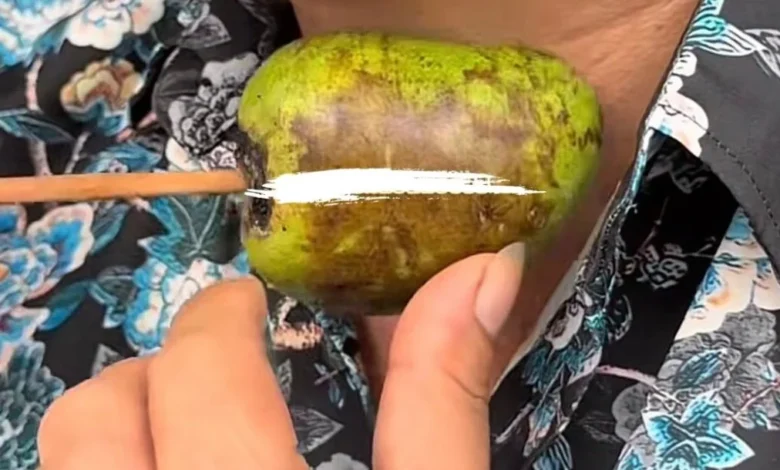
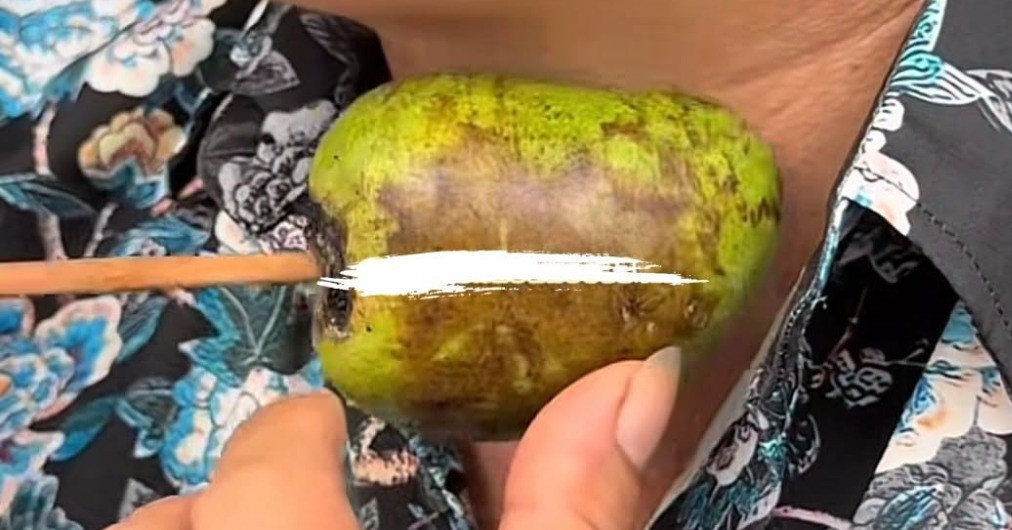
The rapid proliferation of unverified health remedies across digital platforms has once again raised alarms within the medical community. In recent weeks, a peculiar folk remedy has been actively circulating on various social networking sites, advising individuals diagnosed with thyroid nodules to apply heated rice-flour cakes directly to their necks. According to these viral claims, the thermal properties of the warm food item can magically shrink or completely dissolve thyroid masses without the need for clinical intervention, ultrasound monitoring, or specialized surgical care.
Healthcare professionals, however, have stepped forward to vehemently debunk this dangerous misconception. Leading endocrinologists and oncologists have issued stern warnings that this unorthodox method lacks any scientific basis, clinical trials, or medical backing. Rather than curing the underlying condition, the direct application of intense heat from a hot rice-flour cake to the skin can lead to severe thermal burns, localized skin damage, and significant inflammation of the neck tissues, while the actual thyroid mass inside continues to grow undetected.
The Anatomy of Thyroid Nodules and the Fallacy of External Heat Treatments
To understand why external thermal treatments are completely ineffective against thyroid nodules, one must first examine the physiological nature of the thyroid gland and the composition of these internal growths. Located at the base of the neck, the thyroid is a butterfly-shaped endocrine gland that plays a critical role in regulating the body’s metabolism, heart rate, and body temperature. Nodules within this gland are discrete lesions that develop within the normal thyroid parenchyma and can be solid, fluid-filled (cystic), or a mixed composition of both.
Medical diagnosis and ongoing management of thyroid nodules require sophisticated diagnostic tools such as high-resolution ultrasound imaging, fine-needle aspiration biopsy, hormone blood tests, and rigorous physical examinations by qualified endocrinologists. These diagnostic measures allow physicians to accurately measure the size of the nodule, assess its internal vascularity, evaluate microcalcifications, and identify suspicious features that may point toward malignancy, such as thyroid cancer.
Proponents of the viral rice-flour cake remedy operate under the mistaken belief that heat can penetrate deep through the skin, muscle layers, and connective tissue to alter the cellular structure of a thyroid nodule. Medical science confirms that this is entirely impossible. External heat applied to the surface of the neck cannot alter the internal architecture of a thyroid mass, nor can it shrink, dissolve, or neutralize nodular tissue. The physical barrier of the human skin and subcutaneous tissue dissipates surface heat, preventing any therapeutic penetration into the deep-seated thyroid gland.
The Acute Risks of Thermal Burns and Masked Symptoms
While the viral trend promises a quick, at-home cure for individuals anxious about undergoing medical procedures, the physical consequences of applying hot food items to delicate neck skin can be immediately harmful. The skin of the anterior neck is exceptionally thin and sensitive, making it highly susceptible to contact burns from heated objects. When individuals press hot rice-flour cakes against their necks for extended periods in an attempt to dissolve their thyroid nodules, they risk sustaining first-, second-, or even third-degree burns.
Furthermore, medical complications can arise when specific types of thyroid nodules undergo internal changes. For instance, cystic thyroid nodules are prone to spontaneous hemorrhage, a condition where a blood vessel inside the cyst ruptures and bleeds internally. This sudden accumulation of blood causes the nodule to rapidly increase in size, frequently accompanied by localized pain, tenderness, and a feeling of tightness or choking in the throat.
In such medical emergencies, rolling, massaging, compressing, or applying hot compresses to the exterior of the neck is completely useless for resolving internal hemorrhage. On the contrary, the application of heat causes vasodilation—the widening of blood vessels—which can potentially exacerbate bleeding, increase localized swelling, and cause severe trauma to the surrounding skin and soft tissues. Patients who rely on folk remedies during a hemorrhagic event delay essential medical evaluation, putting their long-term health and safety at significant risk.
The Broader Phenomenon of Medical Misinformation on Social Media
The rise of the hot rice-flour cake trend is not an isolated incident, but rather part of a larger, deeply concerning trend of medical misinformation proliferating across digital platforms. In recent years, social media algorithms have increasingly favored sensationalized content, unverified home remedies, and anti-establishment health advice over evidence-based medical consensus. Platforms such as Facebook, TikTok, and Instagram have become breeding grounds for self-proclaimed wellness gurus and anonymous accounts promoting quick fixes for complex chronic illnesses, ranging from benign endocrine disorders to advanced oncological diseases.
The psychological drivers behind the adoption of these viral myths are multifaceted. Many patients diagnosed with chronic conditions experience fear, anxiety regarding medical procedures, financial barriers to accessing specialized healthcare, or a general distrust of traditional medical institutions. When presented with a low-cost, readily available, and seemingly comforting home remedy that promises a painless cure, vulnerable individuals are often inclined to bypass professional consultation in favor of self-treatment.
Healthcare communicators and digital literacy experts note that the democratization of information online has a dark side: the erosion of scientific authority. Without mandatory fact-checking mechanisms for health-related content on social media, dangerous practices can achieve massive reach within hours, outstripping the capacity of medical professionals to correct the record in real time.

Clinical Guidelines for Managing Thyroid Health
Endocrinology departments across major metropolitan hospitals continue to emphasize standardized, evidence-based protocols for patients presenting with thyroid abnormalities. When a patient discovers an unusual lump, swelling, or asymmetry in the neck region, the immediate course of action must involve a formal consultation with a licensed physician.
Standard clinical protocol dictates that any newly discovered thyroid nodule must be evaluated through a comprehensive diagnostic workup. This includes evaluating the patient’s medical history, assessing risk factors such as radiation exposure or a family history of thyroid cancer, performing functional blood tests to check thyroid-stimulating hormone (TSH) levels, and executing a targeted ultrasound examination.
If an ultrasound reveals features suggestive of malignancy—such as irregular margins, taller-than-wide dimensions, microcalcifications, or increased internal blood flow—the physician will typically recommend a fine-needle aspiration biopsy to collect cellular samples for cytopathological analysis. For benign nodules that do not cause compressive symptoms or cosmetic distress, the standard medical approach is active surveillance, which involves periodic monitoring via ultrasound every 6 to 12 months.
At no point in modern medical history has thermal application, surface massage with food items, or herbal poultices been recognized as a valid therapeutic modality for managing endocrine tumors or cysts. Relying on such unverified internet trends not only fails to treat the underlying pathology but also creates a false sense of security that delays the timely diagnosis of progressive conditions, including aggressive forms of thyroid cancer.

Public Health Recommendations and Moving Forward
Public health authorities and medical associations are urging individuals to exercise extreme caution when encountering health advice online. Consumers are advised to adhere to several key principles to protect themselves from the hazards of medical misinformation:
- Verify the Source: Always cross-reference health-related claims found on social media with established medical organizations, peer-reviewed journals, or consultations with board-certified physicians.
- Avoid Self-Diagnosis and Self-Treatment: Never initiate at-home treatments for lumps, masses, or persistent internal pain without an official diagnosis from a qualified healthcare provider.
- Recognize the Limits of Comfort: Understand that home remedies involving temperature manipulation, topical applications of food, or unverified herbal mixtures cannot alter internal organ pathology or malignant cell growth.
- Prioritize Timely Intervention: Promptly report any sudden changes in the size, shape, or texture of a thyroid nodule or neck mass to a medical professional to ensure timely management and favorable clinical outcomes.
As digital platforms continue to evolve, the challenge of combating health misinformation remains a pressing priority for the global medical community. Protecting public health requires a combined effort from technology companies to curb the spread of unverified medical claims, alongside proactive educational outreach from healthcare professionals empowering patients to make informed, scientifically sound decisions regarding their personal well-being.