The Palace of Regrets: Netflix’s Ambitious Korean Historical Thriller Unveils Its Mysteries

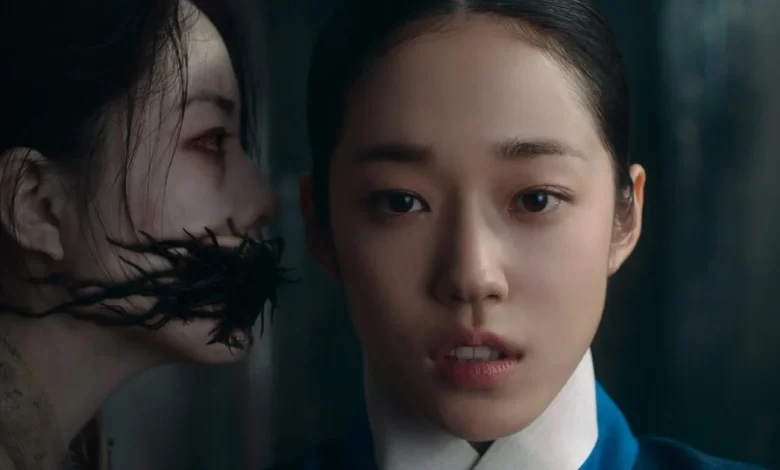
Launched on July 17, "The Palace of Regrets" marks a significant investment by Netflix in the Korean drama landscape for 2026, aiming to capture audiences with its blend of historical intrigue and supernatural horror. The series, set against the backdrop of the Joseon Dynasty, is poised to be a cornerstone of the streaming giant’s international content strategy.
The narrative intricately weaves together elements of the occult, thrilling action, and deep-seated political machinations. Leading the ensemble cast are renowned actors Nam Joo Hyuk, Oh Yoon Seo, and Cho Seung Woo, supported by talents such as Kwak Dong Yeon and Roh Yoon Seo, who have previously impressed audiences in productions like "The Guest" and "Bulgasal." This ensemble promises to bring depth and gravitas to a story steeped in the secrets and shadows of the royal court, a setting that has historically been fertile ground for dramatic storytelling.
"The Palace of Regrets" plunges viewers into the opulent yet perilous world of the Joseon royal palace, a realm where veiled mysteries have been preserved across generations. The series centers on a series of unfortunate events that plague the royal family, triggering ancient curses and setting in motion a dangerous quest to uncover their origins and break their hold. The high production values and star-studded cast signal Netflix’s commitment to delivering a high-quality, globally appealing series that can compete with other major international productions.
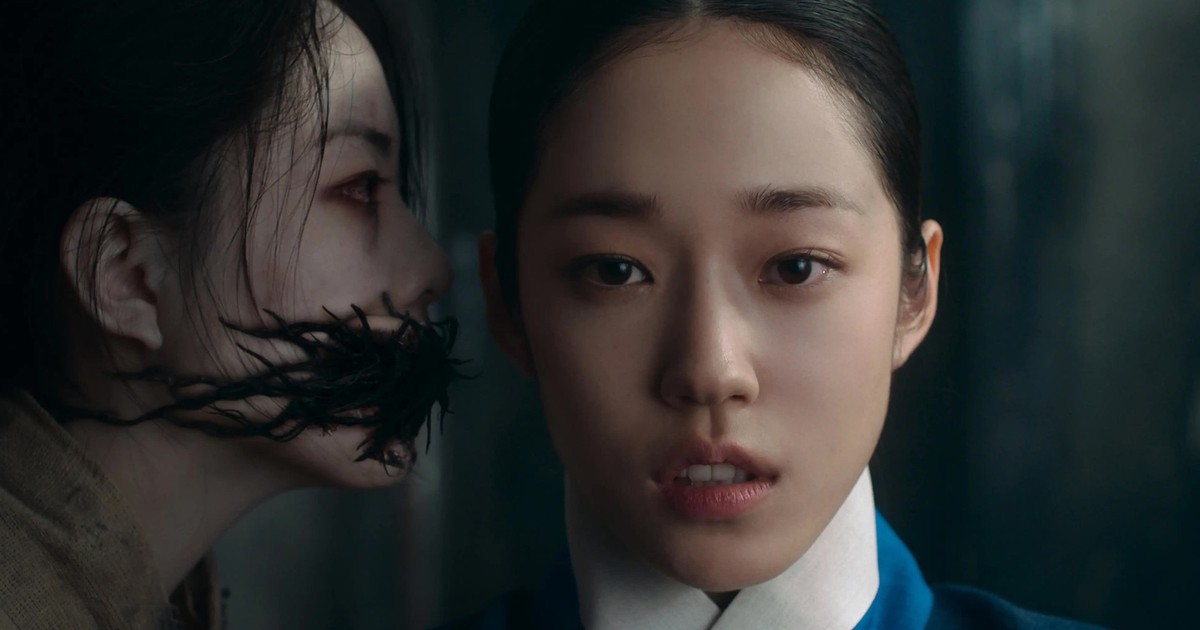
When the Palace is Plagued by Curses
The unfolding drama begins with the sudden death of Crown Prince Yi Jeong (Kwak Dong Yeon), an event that precipitates a series of unsettling and inexplicable occurrences within the palace walls. King Yeongjo (Cho Seung Woo) quickly recognizes these as symptoms of a potent curse that has resurfaced, affecting his numerous heirs and threatening the very stability of the dynasty. This realization triggers an urgent need to understand and counteract the supernatural forces at play.
To protect the remaining heir and unravel the mystery behind the escalating calamities, King Yeongjo summons Gu Cheon (Nam Joo Hyuk), a scholar specializing in esoteric lore and the supernatural. Gu Cheon’s mission is to investigate the ghostly phenomena and uncover the source of the curse plaguing the royal family. Simultaneously, Saeng Kang (Roh Yoon Seo), a young woman with a hidden agenda, is brought into the palace under the guise of an attendant to oversee Gu Cheon. Her true purpose is to investigate the suspicious death of her mother, a former palace concubine, and uncover the truth behind her demise.
The narrative gains momentum as Gu Cheon and Saeng Kang find themselves entangled in a complex web of secrets. Their investigation reveals that the palace is not merely a site of political intrigue but also a repository of dark histories and spectral entities. Saeng Kang, initially driven by personal vendetta, begins to suspect that her mother’s death is directly linked to the curse and the hidden truths within the royal lineage. As they delve deeper, they uncover evidence of a long-standing cover-up involving supernatural occurrences and the dark secrets of the royal family’s past.
The series masterfully constructs a dualistic world: the tangible reality of the Joseon court, rife with power struggles and political maneuvering, and the spectral realm, populated by vengeful spirits and lingering resentments. This juxtaposition creates a rich tapestry of conflict, where earthly ambitions collide with the enduring power of the afterlife. Gu Cheon and Saeng Kang become reluctant allies, navigating the treacherous landscape of both the living and the dead, as they race against time to find the origin of the curse and prevent further tragedy.
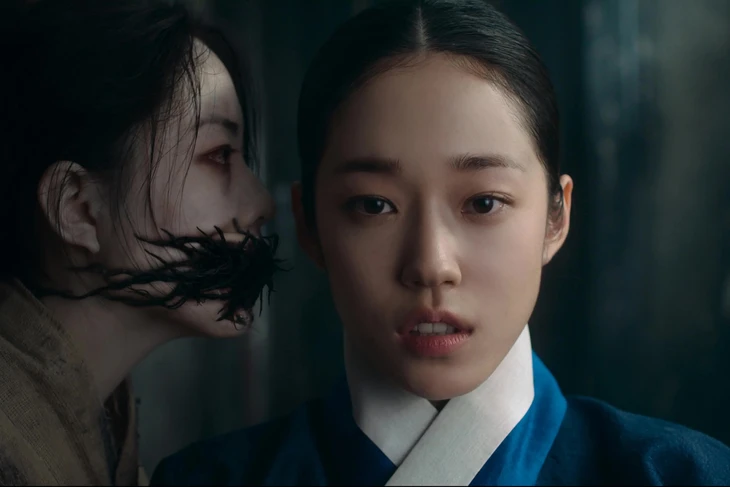
The supernatural elements are deeply rooted in Korean folklore and traditional beliefs, incorporating concepts of omens, vengeful spirits (han), and the delicate balance between the human and spirit worlds. This authentic cultural grounding adds a layer of depth and authenticity to the narrative, distinguishing it from more generic supernatural thrillers. The series explores how these ancient beliefs manifest in the modern context of the Joseon court, blurring the lines between reality and the supernatural, and creating a palpable sense of unease and suspense.
Netflix’s High-Stakes Gamble
"The Palace of Regrets" represents a significant strategic move for Netflix, aiming to capitalize on the global appetite for high-quality Korean content. The series’ elaborate production design, including meticulous attention to period costumes, set decoration, and atmospheric lighting, contributes significantly to its visual appeal and immersive quality. The portrayal of the Joseon palace is designed to evoke a sense of grandeur and historical authenticity, further enhanced by the use of traditional Korean architectural styles and art forms.
The visual storytelling is a key component, with the cinematography aiming to create a distinct mood for each realm – the opulent yet suffocating confines of the palace versus the ethereal and often terrifying world of the spirits. This visual distinction is crucial in delineating the dual narrative threads and heightening the dramatic tension.
However, critical reception has been mixed, with some reviewers praising the show’s ambition and aesthetic while others have raised concerns about its narrative coherence and originality. While the fusion of historical drama and supernatural horror is a compelling concept, its execution has been a point of contention. Some critics argue that the plot, in its attempt to weave together multiple mysteries and twists, occasionally becomes convoluted, diminishing the overall impact.
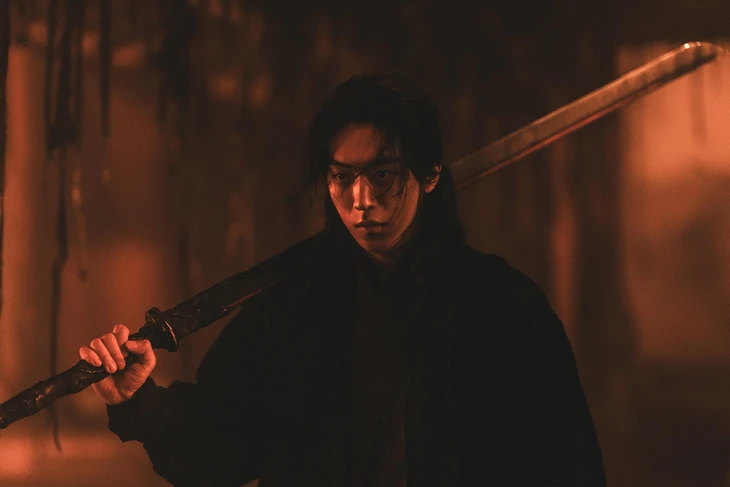
The series’ reliance on frequent plot twists, while intended to keep viewers engaged, has sometimes been perceived as overdone, leading to a sense of predictability or a dilution of the suspense. The narrative’s exploration of the royal family’s curses and untimely deaths, while drawing from traditional Korean storytelling, has been critiqued for not offering enough novel interpretations or groundbreaking revelations.
Furthermore, the portrayal of the supernatural world has drawn comparisons to other popular international series, notably "Stranger Things," with some critics suggesting that "The Palace of Regrets" adopts a similar aesthetic for its otherworldly dimension. While drawing inspiration is common in filmmaking, the concern here is whether the series has successfully forged its own unique identity within this genre. The rich tapestry of Korean folklore provides ample material for a distinct visual and narrative language, but the series has yet to fully establish its own signature.
Performance and Character Dynamics
The performances of the lead actors have been a significant point of discussion. Nam Joo Hyuk, stepping into the role of Gu Cheon, has been lauded for his portrayal of a scholar grappling with extraordinary circumstances. His character’s journey from intellectual curiosity to active engagement with the supernatural is a central arc. Roh Yoon Seo’s performance as Saeng Kang has also received positive attention, with critics noting her ability to convey the character’s underlying determination and hidden grief beneath a veneer of composure. Her portrayal of Saeng Kang’s sharp intellect and her growing reliance on Gu Cheon has been highlighted as a compelling aspect of the series.
Cho Seung Woo, as King Yeongjo, delivers a performance that captures the immense pressure and paranoia of a monarch burdened by a cursed lineage. His portrayal of a king caught between the demands of his position and the terrifying reality of supernatural threats has been widely praised. Jang Young Nam, in her role as the Dowager Queen, has also been recognized for her commanding presence and her ability to embody a character who wields significant influence within the palace’s complex power dynamics. Her character’s subtle manipulation and deep knowledge of the court’s secrets add another layer of intrigue.
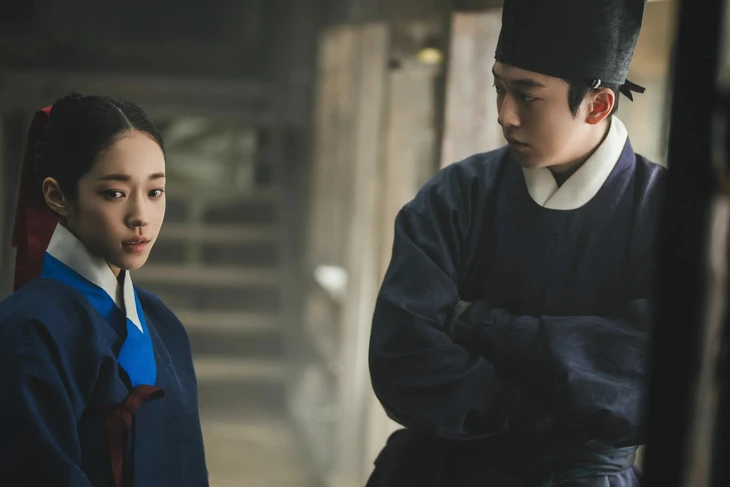
The chemistry and evolving relationship between Gu Cheon and Saeng Kang form a critical pillar of the narrative. Initially driven by separate objectives, their forced proximity and shared dangers lead to a gradual build of trust and mutual reliance. Their partnership, forged in the crucible of supernatural investigation and political intrigue, becomes a central emotional anchor for the series. The series explores how their individual quests for truth and justice intertwine, leading them to question their initial assumptions and develop a deeper understanding of each other’s motivations.
Despite these strong performances, some critics have pointed out that the development of other supporting characters, while present, has not reached the same level of depth, leaving them feeling somewhat underdeveloped in comparison to the leads. This uneven character development can sometimes detract from the overall narrative impact, particularly in a series that relies on a broad cast of characters to populate its complex world.
Cultural Significance and Global Appeal
"The Palace of Regrets" is more than just a historical thriller; it is a testament to the growing global influence of Korean storytelling. The series taps into a rich vein of Korean folklore, mythology, and historical narratives, offering international audiences a window into the cultural heritage of the region. The intricate plotting, blending elements of mystery, horror, and historical drama, is designed to appeal to a broad demographic, transcending geographical and cultural boundaries.
The success of previous Korean dramas on global platforms has paved the way for series like "The Palace of Regrets" to gain significant traction. Netflix’s investment in such ambitious productions underscores its strategy to diversify its content library and cater to a global audience that is increasingly seeking out non-English language programming. The series’ thematic exploration of curses, destiny, and the enduring impact of the past resonates with universal human experiences, making it relatable to viewers worldwide.
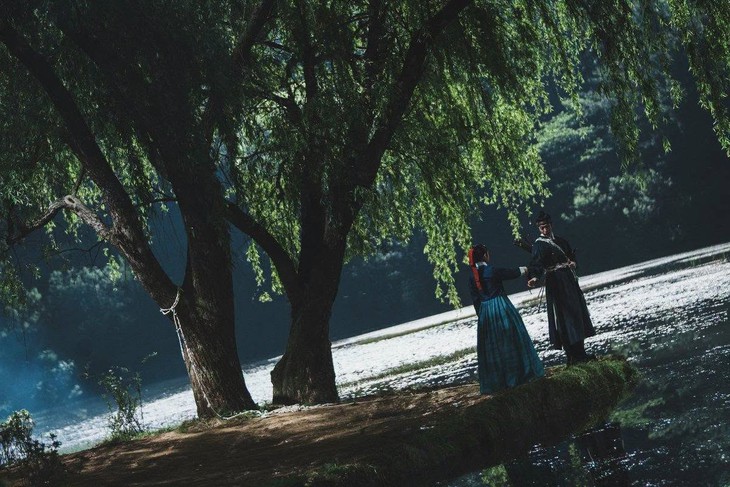
The integration of traditional Korean beliefs, such as the concept of "han" – a complex emotion often translated as deep-seated resentment, sorrow, or injustice – adds a unique cultural dimension that enriches the narrative. The spectral entities in the series are not merely monsters but embodiments of unresolved grievances and historical traumas, giving the supernatural elements a profound emotional weight. This nuanced approach to supernatural phenomena distinguishes it from more superficial horror offerings and contributes to its potential for deeper audience engagement.
As "The Palace of Regrets" continues to unfold, its ultimate success will hinge on its ability to sustain its initial promise, deliver a satisfying narrative resolution, and carve out a unique space in the crowded streaming landscape. Its ambitious scope and investment suggest a strong belief from Netflix in its potential to become a global phenomenon, further solidifying Korea’s position as a powerhouse in the international entertainment industry. The series’ journey is emblematic of the evolving nature of global media consumption, where compelling stories, regardless of their origin, can find a massive audience.
The series’ intricate plotting, which involves multiple layers of deception, hidden motives, and supernatural interventions, aims to create a captivating viewing experience. The narrative weaves together elements of political conspiracy, personal vendettas, and ancient curses, all set within the richly detailed historical context of the Joseon Dynasty. The visual aesthetics, from the opulent royal chambers to the eerie spectral manifestations, are designed to immerse the viewer in this complex world, making the unfolding drama all the more compelling.
The exploration of themes such as fate, consequence, and the cyclical nature of history provides a philosophical underpinning to the supernatural elements. The series prompts viewers to consider how past actions can reverberate through generations, influencing the present and shaping the future. This thematic depth, combined with the fast-paced plot and compelling character arcs, positions "The Palace of Regrets" as a significant contender in the global streaming market, reflecting Netflix’s ongoing commitment to showcasing diverse and culturally rich storytelling.
Related posts: