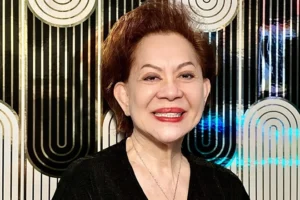
Diva My Linh Embraces a Holistic Approach to Health and Fitness at 51, Prioritizing Well-being Over Rapid Weight Loss

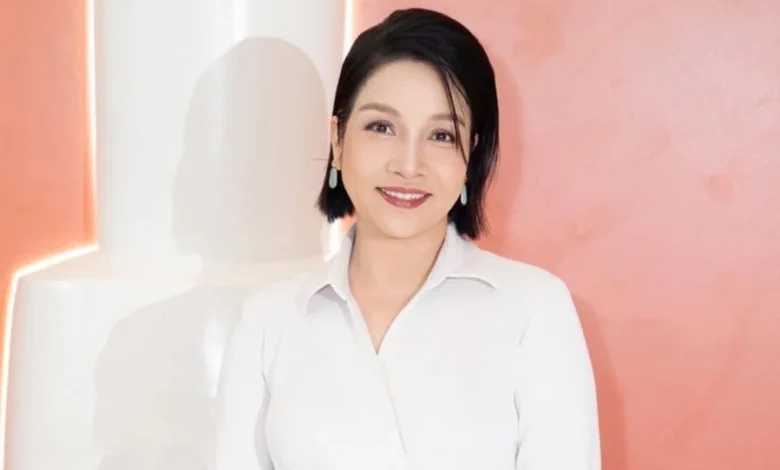
In a notable shift from the often aggressive and sometimes unhealthy weight loss trends prevalent in the entertainment industry, Vietnamese diva My Linh, at the age of 51, has embarked on a comprehensive journey to enhance her physical and mental well-being. This endeavor, which began earlier this year, has seen her actively engage in a rigorous fitness regimen, moving away from the temptation of quick-fix medications. After a period of three months, My Linh has reported significant progress, particularly in achieving her desired body composition and overall health.
My Linh’s decision to prioritize a sustainable approach to fitness was reportedly influenced by her daughter, singer My Anh. Following her daughter’s advice, the renowned singer committed herself to a consistent exercise routine, incorporating both gym workouts and Pilates. This blended approach, characterized by controlled movements and breathwork, has become a cornerstone of her weekly activities. Initially, My Linh was dedicating approximately five sessions per week to her fitness, a frequency she has since adjusted to three sessions per week over the past six months, indicating a more balanced and long-term commitment.
Each training session, typically lasting around an hour, is guided by a personal trainer born in 1998. The primary objectives of these workouts are not solely focused on achieving a specific number on the scale but rather on increasing muscle mass, reducing body fat, and, most importantly, improving overall health and vitality. This nuanced perspective reflects a growing understanding within the health and wellness community that true fitness encompasses more than just aesthetic changes.
Previously, My Linh had engaged in training with various trainers. However, these past experiences often lacked a clear, overarching objective. The absence of defined goals, coupled with the immense pressure of a demanding performance schedule, meant that these efforts did not yield the desired or sustainable results. The intensity of these past routines, often dictated by the trainer’s rigid methodologies, sometimes led to a feeling of pressure rather than enjoyment.
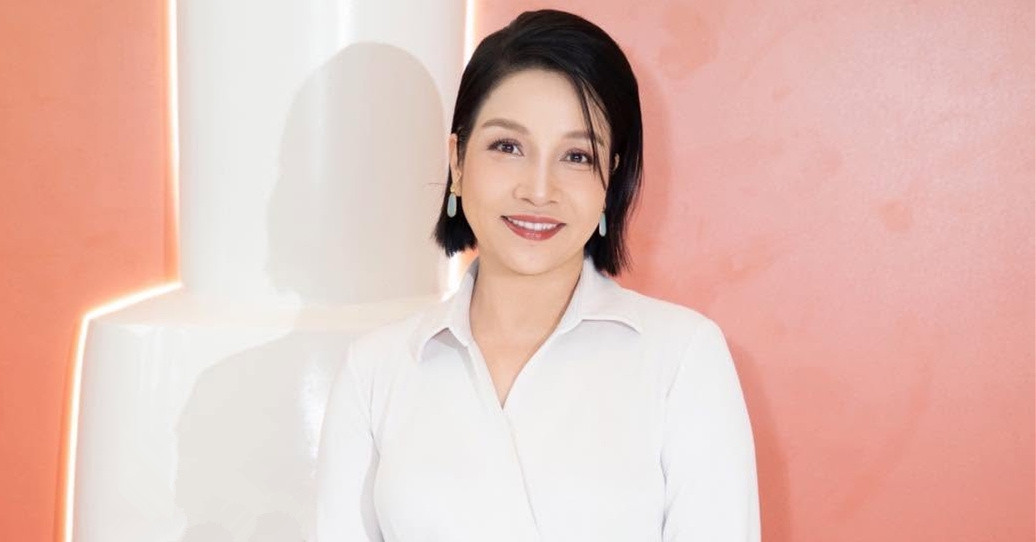
The current training approach, however, marks a significant departure. Her current gym instructor, a 23-year-old, employs a highly flexible and adaptive training methodology. This approach prioritizes understanding and responding to the individual needs and capabilities of the client, fostering a more collaborative and enjoyable training experience. The trainer’s ability to tailor exercises and incorporate innovative, integrated routines has made the process less about imposing a regimen and more about empowering My Linh to actively participate in her own fitness journey. This personalized strategy has ensured that My Linh does not feel overwhelmed by pressure, instead finding joy and satisfaction in her workouts.
A Commitment to Healthy Habits
Throughout her fitness journey, My Linh has occasionally encountered suggestions from acquaintances to use weight-loss medications. However, the diva has consistently expressed her belief that such pharmaceutical interventions carry inherent risks. She remains steadfast in her conviction that consistent exercise is the most effective and enduring path to achieving a healthy weight and maintaining it long-term. This stance underscores a deep-seated understanding of the importance of lifestyle changes over quick fixes.
My Linh articulated her philosophy, stating, "In the past, the goal was often to lose weight quickly, to reach a certain number on the scale. Now, my focus is on training and learning to improve my physical health, as well as my mental and spiritual well-being. This training is shaping my brain and strengthening my discipline, teaching me to listen to my body." This statement highlights a profound shift in her perspective, viewing fitness not as a chore but as an integral component of holistic self-care.
She further elaborated on the influence of her late husband, musician Anh Quan. While he never expressed specific concerns about her physical appearance or weight, he consistently emphasized the importance of her health and strength. Despite this, My Linh acknowledges a personal drive to maintain her physical condition, believing that a healthy body is essential for an artist who possesses a "voice that must have a sound and must have strength." This internal motivation is a powerful driving force behind her dedication.
After six months of consistent effort, My Linh has not only seen a significant improvement in her physical health but also a noticeable transformation in her overall appearance and capabilities. While she may not have reached her ultimate weight loss target, the changes are palpable. She feels healthier, her body feels more toned, and she experiences less discomfort when wearing high heels. Carrying everyday items has become easier, and even her wardrobe has adapted, with her fitting into clothes that were previously a size smaller. This tangible progress is a testament to her commitment and the effectiveness of her chosen approach.

Expanding Horizons: Fitness and Lifelong Learning
Beyond the physical transformations, My Linh, at 51, is embracing a multifaceted approach to personal development that integrates fitness with lifelong learning. She has begun studying foreign languages, including English and Mandarin Chinese, with the aim of enhancing her communication skills and broadening her cultural horizons. While her Chinese proficiency is still developing, she is already capable of basic communication, a significant achievement for someone embarking on a new language.
Her approach to language learning is characterized by a pragmatic mindset. My Linh is not setting overly ambitious goals but is focusing on acquiring practical skills that can enrich her daily life. She expresses a desire to be able to "record happy and pleasant moments in daily life by speaking in different languages," indicating a personal and joyful motivation behind her studies. This approach to learning, rooted in personal fulfillment rather than external pressure, is a hallmark of her current phase of life.
Complementing her fitness goals, My Linh has set a target to reduce her body fat percentage to 28%, down from her current weight which, combined with her previous body fat percentage, suggests a target weight of approximately 54kg. Beyond these personal health objectives, she has also outlined an ambitious travel itinerary. This includes a tour of Vietnam by motorbike, conquering the Son Doong cave, recording a new album, and preparing for a potential theatre production. These aspirations demonstrate a vibrant spirit and a desire to continue engaging with life’s experiences to their fullest.
The journey My Linh has undertaken is a powerful reminder that age is merely a number when it comes to pursuing personal growth and well-being. Her dedication to a holistic approach, encompassing physical fitness, mental stimulation, and personal enrichment, serves as an inspiration to many, demonstrating that a fulfilling and active life is attainable at any stage. Her story underscores the importance of sustainable habits and a positive mindset in achieving lasting health and happiness.