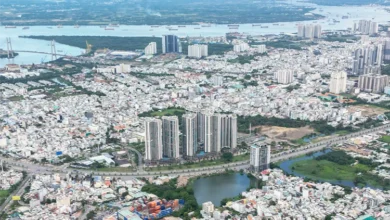
Luxora Vinh Yen Establishes Solid Legal Foundation and Construction Momentum for High End Residential Development in Vinh Phuc


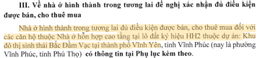
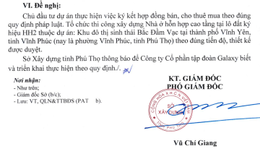
The Luxora Vinh Yen project has officially achieved a significant regulatory milestone, securing the necessary legal certifications to transition into its next phase of commercial development and market entry. According to a representative of the developer, the project has meticulously prepared its legal framework from the outset, successfully completing critical procedures including land use rights, 1/500 detailed planning, and construction design documentation. This comprehensive legal readiness also encompasses the appraisal of feasibility study reports and the rigorous approval of fire prevention and fighting (PCCC) systems. In a move that reinforces market transparency, the project has received official confirmation that it meets all conditions for the sale and lease-purchase of future-formed housing. This certification was issued in strict accordance with the Law on Housing No. 27/2023/QH15 and the Law on Real Estate Business No. 29/2023/QH15, alongside the latest government implementation decrees. By adhering to these updated legal standards, Luxora Vinh Yen ensures maximum protection for the rights and interests of customers and investors participating in transactions.
A Comprehensive Legal Framework Under New Regulatory Standards
The timing of Luxora Vinh Yen’s legal completion is particularly noteworthy as it aligns with Vietnam’s updated legislative landscape for the real estate sector. The project’s compliance with the Law on Housing 2023 and the Law on Real Estate Business 2023 serves as a benchmark for transparency in the Northern provincial market. These laws, which came into effect to tighten the management of "future-formed" assets, require developers to demonstrate absolute clarity in land ownership and financial capacity before reaching out to the public.
By securing the 1/500 detailed planning approval, the developer has locked in the architectural and functional layout of the project, ensuring that the final delivery matches the initial promises made to the urban planning authorities. Furthermore, the completion of the fire safety (PCCC) appraisal—a common bottleneck for high-rise developments in Vietnam—demonstrates a proactive approach to resident safety. For prospective buyers, this legal "cleanliness" mitigates the risks of title deed delays and ensures that the project is eligible for bank guarantees and mortgage support, which are essential components of modern real estate transactions.
The developer’s representative emphasized that the completion of these legal procedures is not merely a bureaucratic requirement but a foundational element of their corporate strategy. By following a "legal-first" approach, Luxora Vinh Yen aims to build long-term trust with the community, distinguishing itself in a market where legal transparency has often been a point of contention.

Construction Progress and Site Dynamics
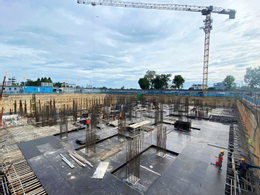
Parallel to the administrative achievements, the physical manifestation of Luxora Vinh Yen is progressing rapidly at the North Dam Vac site. Construction activities have maintained a consistent rhythm, supported by a seamless coordination between the developer, consultants, supervisors, and contractors. This synergy is designed to ensure that the project meets its scheduled milestones without compromising on quality or occupational safety standards.
As of the current reporting period, the construction team has successfully completed the foundation and basement structures. This includes the complex "đài móng" (pile caps) and "giằng móng" (foundation beams), which form the structural backbone of the 25-story tower. Completing the foundation is a critical psychological and technical milestone in high-rise development, as it signifies that the most unpredictable phase of construction—groundwork and excavation—is finished.
The developer noted that each construction phase is subject to rigorous quality control measures. The transition from the foundation to the superstructure is being handled with high-grade materials and advanced engineering techniques to ensure the building’s longevity and resistance to environmental factors. The activity on-site serves as a "real-world" verification of the developer’s capacity, providing tangible evidence to investors that the project is moving from blueprints to reality.
Architectural Vision: The "Crystal" of Vinh Yen
Luxora Vinh Yen is positioned as a high-end residential product within the Luxora real estate ecosystem, developed by the Luxora Group Joint Stock Company (also known as Galaxy Group). The project is designed with a "resort-living" inspiration, aiming to create a space that prioritizes emotional experience and sustainable value.
Spanning a land area of over 5,200 square meters, the project features a 25-story residential tower and two dedicated basement levels. The architectural concept is inspired by the image of a "crystal," characterized by a high-density glass facade and expansive balcony systems. This design choice is not merely aesthetic; it is functional, maximizing the "lake-view" potential of the North Dam Vac location. The extensive use of glass allows for optimal natural light penetration and provides residents with panoramic views of the surrounding ecological landscape, blurring the lines between indoor luxury and outdoor nature.
The project offers a diverse product mix to cater to various demographic needs:
- Residential Units: 290 apartments ranging from 1 to 3 bedrooms, designed with modern layouts that emphasize air circulation and space efficiency.
- Penthouses: A limited collection of luxury penthouses on the top floors, offering exclusive amenities and the highest vantage points in the area.
- Commercial Component: A significant commercial and service block exceeding 14,000 square meters. This includes 49 shophouse units, open-air commercial spaces, and office rentals.
This mixed-use model is intended to create a self-sustaining ecosystem where residents can live, work, and consume within a single precinct. The integration of shophouses and office spaces is expected to tap into the growing demand for modern commercial infrastructure in Vinh Phuc province.
Strategic Location and Regional Connectivity
The North Dam Vac area in Vinh Yen, Vinh Phuc, is increasingly recognized as a "golden" location for ecological urban development. Situated near the serene Dam Vac Lake, Luxora Vinh Yen benefits from a microclimate that is significantly cooler and cleaner than the dense urban cores of Hanoi.
However, the project’s appeal is bolstered by its connectivity. It sits at a strategic junction with easy access to major arterial roads, including:
- Noi Bai – Lao Cai Expressway: Providing a direct link to the international airport and the northern border provinces.
- National Highway 2A and 2B: Vital routes connecting Vinh Yen to neighboring industrial hubs and the capital city.
- Administrative Center: The project is located near the regional administrative heart, ensuring proximity to schools, hospitals, and government offices.
For professionals working in the numerous industrial zones of Vinh Phuc—a province known as a hub for automotive and electronics manufacturing (hosting giants like Toyota and Honda)—Luxora Vinh Yen offers a high-standard housing option that was previously scarce in the area. Furthermore, with Hanoi only a 30-minute drive away, the project is attracting interest from those seeking a "second home" or a primary residence that offers a quieter, lake-side lifestyle while remaining within commuting distance of the capital.
The "Stillness in Motion" Amenity Philosophy
To complement its architectural and location advantages, Luxora Vinh Yen has integrated a sophisticated system of 57 internal amenities. These are developed under the philosophy of "Tĩnh trong Động" (Stillness in Motion), aiming to provide a balance between the vibrant energy of modern life and the peacefulness of a private retreat.
Key highlights of the amenity package include:
- Infinity Lake-View Pool: Designed to create a visual continuation of the Dam Vac Lake.
- Sky Lounge and 3D Golf: Catering to the leisure and networking needs of a high-income demographic.
- Rooftop Park: A green "lung" for the building, providing a space for relaxation and community interaction above the city.
- Sports and Wellness Facilities: Including modern gyms, yoga spaces, and jogging paths.
By investing heavily in these shared spaces, the developer is looking to establish a new standard of living in Vinh Yen. The goal is to move beyond providing "just an apartment" to offering a comprehensive lifestyle brand that promotes physical and mental well-being.
Market Analysis and Broader Implications
The development of Luxora Vinh Yen occurs at a pivotal moment for the Vinh Phuc real estate market. As Hanoi becomes increasingly congested and expensive, there is a clear "outward flow" of investment toward satellite provinces. Vinh Phuc, with its strong industrial base and high GDP per capita, is a primary beneficiary of this trend.
Analysts suggest that the demand for high-end apartments in Vinh Yen is driven by two main factors. First is the "expert class"—thousands of foreign engineers and managers working in local industrial parks who require international-standard accommodation. Second is the rising middle class within Vinh Phuc itself, who are looking to upgrade from traditional landed houses to modern, secure apartment complexes with full amenities.
The successful legal and construction progress of Luxora Vinh Yen is likely to act as a catalyst for further high-end developments in the North Dam Vac area. By proving that a project can navigate the new 2023 laws successfully, Luxora Group is setting a precedent for other developers to follow. This contributes to the overall professionalization of the provincial real estate market, moving it toward greater transparency and quality.
Conclusion and Future Outlook
The confirmation that Luxora Vinh Yen is eligible for the sale of future-formed housing marks the beginning of its most active commercial phase. With a solid legal foundation, a clear construction timeline, and a well-defined product identity, the project is well-positioned to capture the attention of both end-users and long-term investors.
As the tower continues to rise above the North Dam Vac landscape, it represents more than just a residential building; it is a symbol of Vinh Yen’s urban evolution. For the Luxora Group, this project is a flagship endeavor that showcases their ability to deliver complex, high-quality urban spaces. In the coming months, as the project moves toward topping out and interior finishing, the focus will shift toward community building and the delivery of the promised "resort-at-home" experience. For the region, Luxora Vinh Yen is a significant piece of the puzzle in transforming North Dam Vac into a premier ecological and residential destination in Northern Vietnam.