The landscape of Silicon Valley is often defined not just by the products that emerge from its labs, but by the culture of its human capital. At the center of this ecosystem is Nvidia, the semiconductor giant currently commanding a market valuation exceeding $5 trillion. As the company continues its meteoric rise, propelled by the global insatiable demand for artificial intelligence infrastructure, its CEO, Jensen Huang, has found himself navigating a unique challenge: managing the departure of top-tier talent who are increasingly choosing to strike out on their own to launch startups.
For most corporations, an employee resigning to launch a competing venture is a cause for legal friction or professional estrangement. At Nvidia, however, the approach is markedly different. Under Huang’s leadership, the company has fostered a culture that views these departures as an extension of the company’s own ambitious DNA, even when the departures occur at the highest levels of technical expertise.
The Anatomy of an Exit: From Nvidia to Independence
The phenomenon of "Nvidia alumni" founding successful startups has become a recurring theme in the tech industry. Recent accounts from David Hoeller and Nikita Rudin, the co-founders of the robotics startup Flexion Robotics, shed light on the unconventional relationship between the CEO and those departing his firm.
In 2024, as Hoeller and Rudin prepared to leave Nvidia to focus on their own vision for advanced robotics, they found themselves in the position of needing to inform their CEO. The duo, who had spent years working on the intricacies of chip design and the technological limits of robotics, were understandably nervous. Despite the late-night nature of their notification, the response they received from Huang was not one of dismissal, but of deep, technical engagement.

During a consultation, Huang did not attempt to strong-arm the pair into staying. Instead, he engaged in a critical evaluation of their business model. One specific piece of feedback regarding their startup’s original name, "Checkpoint," resulted in Huang suggesting a rebranding—a move that ultimately led to the adoption of "Flexion Robotics." Furthermore, Huang provided a sobering warning about the arduous journey ahead, reminding them that they had yet to fully grasp the scale of the obstacles they would face in the industry.
This relationship did not terminate upon their exit. Flexion Robotics has since secured investment from Nvidia, signaling that the company remains deeply interested in the success of its former employees. The startup, based in Zurich, has since expanded its operations to the United States, opening a San Francisco office and actively recruiting researchers from other industry heavyweights like Meta. To date, the company has raised over $57 million, a testament to the technical foundation laid during their tenure at Nvidia.
The Mentorship of "Brutal Honesty"
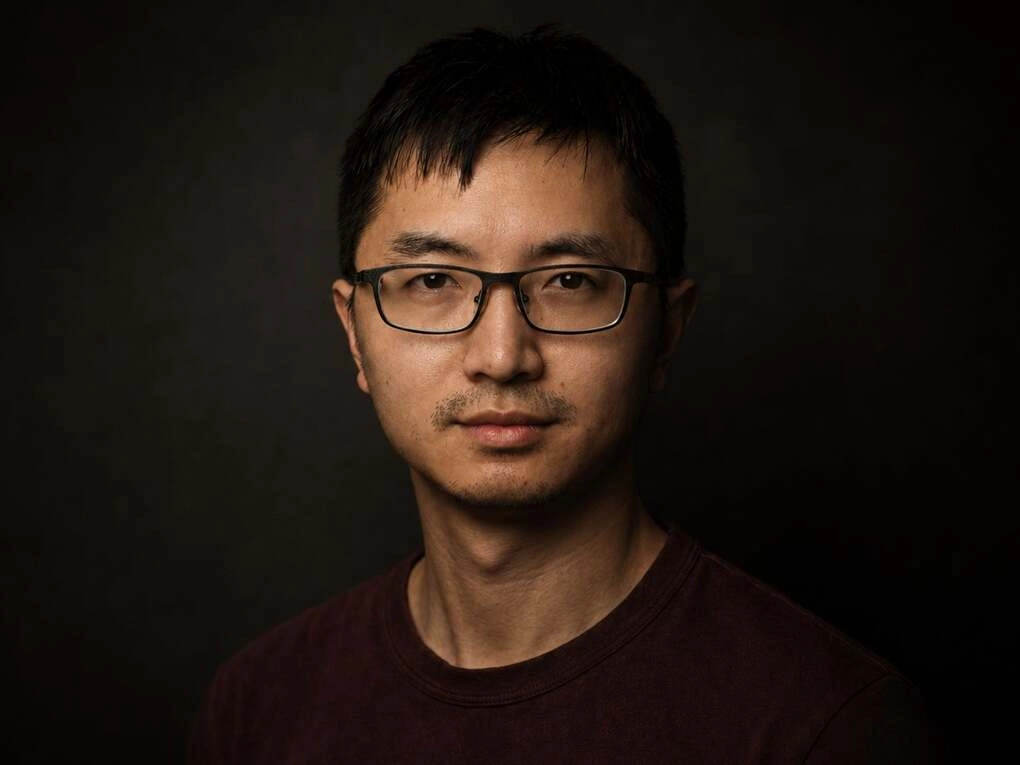
The experience of Bing Xu, another former Nvidia employee turned entrepreneur, provides further insight into Huang’s management style. Xu, who joined Nvidia following the company’s acquisition of his first startup in 2024, eventually left to found INT21, a firm focused on utilizing AI to optimize software for chips.
When Xu presented his departure plans, Huang dedicated two hours to a discussion with him and other Nvidia directors. The focus was not on retention through financial incentives, but on professional growth. Huang famously identified a weakness in Xu’s leadership: his communication style. Huang noted that because Xu often assumed others possessed the same level of technical depth as himself, he frequently provided explanations that were overly complex and inaccessible.
"That was the most candid feedback I have received in the last 10 years," Xu recounted in an interview. "I didn’t think my communication ability was a major issue, but when Jensen spoke, I realized it was an opportunity to become better."

This "brutal honesty" is a hallmark of the Nvidia culture. Huang attributes this management style to his own upbringing. Born to Taiwanese parents, Huang often speaks of the "demanding" nature of his upbringing, where perfection was expected and errors were subject to immediate, constructive criticism.
Data and Corporate Culture: The Retention Paradox
With over 42,000 employees, Nvidia operates with a remarkably low turnover rate. According to company development reports, the general turnover rate for the 2025 fiscal year was just 2.5%. This stability is bolstered by a workforce that is deeply integrated into the company; roughly 20% of employees have been with the firm for at least a decade, while 40% have a tenure of five years or more.
Huang argues that the low turnover is not due to a lack of ambition among his staff, but rather because the company provides a platform that allows them to realize their professional dreams within the organization. "I think the ultimate goal of leadership is to create the conditions for others to realize their dreams, certainly to help them become part of your dream and something bigger, while simultaneously transforming their jobs, careers, and skills into a lifelong pursuit," Huang noted.
Implications for the Tech Industry
The strategy of "retaining through empowerment" serves as a strategic hedge for Nvidia. By maintaining strong ties with former employees—and in some cases, acting as an investor—Nvidia ensures that it remains at the center of the innovations being built by its alumni.
This model challenges the traditional Silicon Valley "non-compete" mindset. Instead of viewing the market as a zero-sum game, Nvidia appears to view its alumni network as an extension of its ecosystem. When an engineer leaves to start a company that uses Nvidia’s hardware or software architecture, the relationship shifts from employer-employee to partner-investor, effectively widening the reach of the Nvidia platform.
However, this high-pressure environment is not without its costs. Huang himself acknowledges that he does not prioritize work-life balance. He works seven days a week, including weekends and holidays, driven by a persistent, self-admitted anxiety that the company could face bankruptcy at any moment. This relentless focus on the mission creates a crucible-like environment that filters for individuals who are not just talented, but who are prepared to perform at the highest levels of industry intensity.
Chronology of Recent Leadership Shifts
- 2024: Nvidia completes the acquisition of several key startups, bringing in specialized talent, including Bing Xu.
- Late 2024: David Hoeller and Nikita Rudin initiate the transition from Nvidia to launch Flexion Robotics.
- 2025 Fiscal Year: Nvidia reports a historically low employee turnover rate of 2.5%, defying industry trends of mass layoffs in the tech sector.
- Present: Nvidia continues to invest in former employee-led startups, cementing its role as both a primary innovator and a venture backer.
Conclusion
The "Jensen Huang effect" on employee management is a study in calculated high expectations. By fostering a culture where candid, often blunt feedback is treated as a professional gift, and where the departure of a high-performer is viewed as a natural evolution rather than a betrayal, Nvidia has managed to keep its workforce engaged and its footprint expanding.
Whether this culture of extreme intensity and directness can be maintained as the company continues to scale remains a question for the future. For now, however, the results are clear: by setting the bar high and refusing to apologize for the rigor of the workplace, Huang has built an organization that is as difficult to leave as it is to compete against. The success of alumni like those at Flexion Robotics and INT21 suggests that even when employees do leave, they carry the "Nvidia DNA" into the broader market, effectively turning the company’s departures into an engine for continued technological growth.