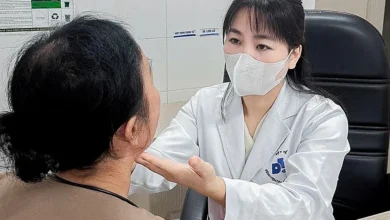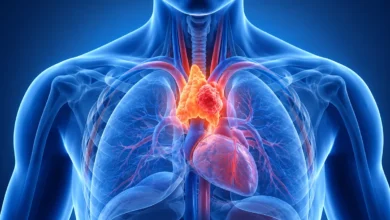
At the 2026 Scientific Conference on Obstetrics and Gynecology Referral, held on November 7, Hanoi Obstetrics and Gynecology Hospital officially announced the transition of five key units to international operational standards. This strategic shift represents a significant milestone in the institution’s commitment to advancing clinical excellence and enhancing the standardized care pathways available to patients across the capital region and beyond. The five units include the Center for Reproductive Support and Andrology; the Center for Prenatal and Neonatal Screening and Diagnosis; the Center for Fetal Intervention; the Center for Stem Cells; and the Department of Expert Consultation.
Strategic Objectives and Institutional Evolution
The decision to elevate these five specialized units is not merely an internal administrative change but a calculated move to harmonize the hospital’s service quality with global benchmarks. According to Associate Professor Dr. Mai Trong Hung, Director of the Hanoi Obstetrics and Gynecology Hospital, the core mission of this transition is to solidify the hospital’s role as a primary node in the national medical referral network.
"Our objective is to bridge the gap in clinical expertise between tertiary-level hospitals and lower-level healthcare facilities," Dr. Hung stated during the conference. By implementing international protocols, the hospital aims to streamline the transfer of complex medical technologies, ensuring that patients, regardless of their location, can access advanced obstetric and gynecological care. The integration of these centers into a cohesive, high-standard framework is expected to improve diagnostic accuracy, reduce treatment times, and enhance patient outcomes in high-risk pregnancies.
A Chronology of Clinical Advancement
The path to this standardization began years prior as the hospital recognized the increasing complexity of obstetric cases and the growing demand for specialized fertility and prenatal services. The 2026 conference served as the culmination of these multi-year efforts.
Historically, referral systems in the region have faced challenges regarding the consistency of care when patients move between primary and specialized facilities. Over the past decade, the Hanoi Obstetrics and Gynecology Hospital has gradually built a network of collaboration, conducting training programs and technical transfers to provincial hospitals. The formal announcement on November 7 marks the transition from an ad-hoc assistance model to a structured, institutionalized system where international standards dictate the workflow of every unit.
Detailed Focus of the Five Specialized Units
The five units now operating under international protocols represent the cutting edge of reproductive and maternal health:
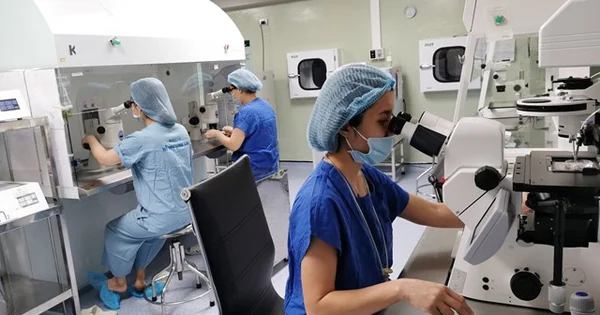
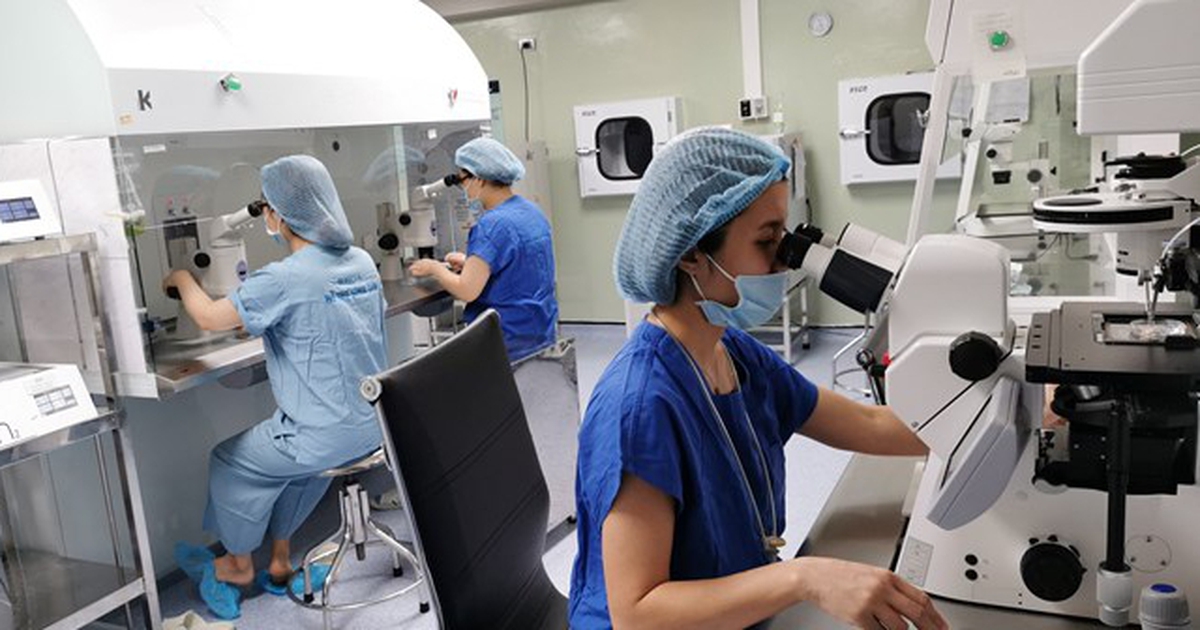
- Center for Reproductive Support and Andrology: This unit focuses on the integration of advanced assisted reproductive technologies (ART). By adhering to international standards, the center ensures that laboratory conditions, embryo culture, and patient monitoring processes meet global best practices for success rates and safety.
- Center for Prenatal and Neonatal Screening and Diagnosis: This facility utilizes state-of-the-art genetic and imaging technology to detect congenital anomalies early in pregnancy. Its standardized protocols ensure high-precision reporting that is essential for medical decision-making.
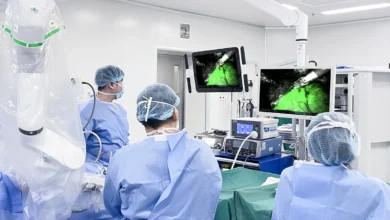
- Center for Fetal Intervention: As one of the few facilities in the region capable of performing complex in-utero surgeries, this center’s move to international standards emphasizes safety, precision, and post-operative recovery for both the fetus and the mother.
- Center for Stem Cells: This unit represents the hospital’s commitment to regenerative medicine. By standardizing stem cell processing and storage, the hospital is positioning itself at the forefront of clinical research and therapeutic application for neonatal conditions.
- Department of Expert Consultation: This department serves as the nexus for multi-disciplinary review, ensuring that patients with complex, co-morbid, or high-risk conditions receive a comprehensive, consensus-driven treatment plan from top-tier specialists.
Scientific Insights: Vaccination and Maternal Immunity
A significant portion of the November 7 conference was dedicated to evidence-based discussions on managing high-risk pregnancies and infectious diseases. Experts highlighted the critical role of maternal vaccination in protecting newborns from vaccine-preventable diseases.
Clinical data presented at the conference demonstrated that antibody levels in infants born to vaccinated mothers were consistently higher than those in infants whose mothers had not received prenatal vaccinations. Experts emphasized that the immunity transferred via the placenta during the final months of pregnancy provides a vital "shield" for the infant during the first few months of life, before they are old enough to receive their own primary vaccination series. This discussion underscored the importance of integrating preventive medicine protocols into standard obstetric care, a key component of the new international standards being adopted by the hospital.
Impact on the National Healthcare Landscape
The implications of Hanoi Obstetrics and Gynecology Hospital’s new standards extend far beyond its walls. In the broader context of the national healthcare strategy, the hospital serves as a mentor for lower-tier medical facilities. By standardizing its own processes, the hospital creates a "gold standard" blueprint that other provincial hospitals can emulate.

The expansion of this network is expected to have several positive effects:
- Reduced Patient Load at Tertiary Facilities: By improving the diagnostic and treatment capabilities of local hospitals through structured technical transfers, fewer patients will need to travel to Hanoi for routine specialized care.
- Improved Health Equity: Standardized protocols mean that a patient in a rural province can expect a level of care that is consistent with international guidelines, reducing the regional disparities in maternal and child health outcomes.
- Enhanced Research and Data Sharing: Operating under international standards requires meticulous documentation and data collection, which will facilitate higher-quality clinical research and the sharing of best practices with international medical communities.
Challenges and Future Directions
While the launch of these units is a major achievement, the hospital leadership acknowledges the ongoing challenges. Maintaining international standards requires continuous investment in equipment, rigorous training for medical staff, and the maintenance of a high-quality management system.
"We are not merely adopting a label; we are committing to a culture of constant improvement," noted one lead researcher at the conference. The hospital plans to implement periodic internal and external audits to ensure that the standards are upheld. Furthermore, the focus on "deep-specialization" implies that the hospital will continue to recruit and train medical professionals capable of managing the most complex and delicate cases.
Conclusion
The transformation of these five units at the Hanoi Obstetrics and Gynecology Hospital marks a pivotal shift in the delivery of maternal and reproductive health services in Vietnam. By aligning with international standards, the institution is not only enhancing its own service delivery but is also setting a new benchmark for the entire healthcare sector. As the hospital continues to deepen its partnerships with domestic and international institutions, the ultimate beneficiaries will be the patients, who will have access to safer, more precise, and more reliable healthcare services.
The successful implementation of these standards by 2026 provides a clear vision for the future: a healthcare system where the quality of care is no longer defined by geography, but by a unified, high-standard commitment to medical excellence. As the hospital moves forward, its continued focus on research, technological innovation, and educational outreach will undoubtedly play a critical role in shaping the future of obstetrics and gynecology in the region.