Hypertension and Heart Disease: Medical Experts Caution Against the Dangers of Navigating Flooded Streets and Exposure to Cold Rain

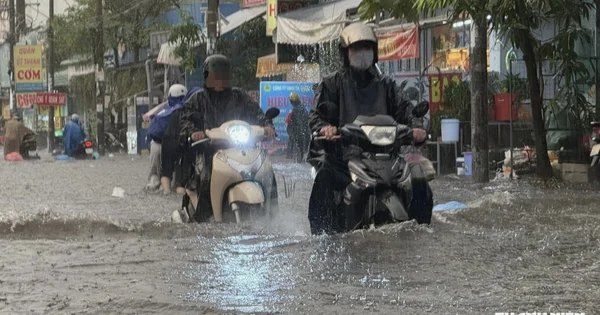
During periods of intense rainfall and subsequent urban flooding, residents are often forced to endure prolonged exposure to harsh environmental conditions. For the general population, this may result in nothing more than minor discomfort or a common cold; however, for individuals suffering from hypertension, cardiovascular disease, or other chronic conditions, these environmental stressors can trigger severe, life-threatening medical events. As metropolitan areas grapple with increasingly frequent and severe weather patterns, understanding the physiological impact of cold-water exposure and physical exertion is critical for public health.
The Physiological Trigger: Why Cold Rain Impacts Blood Pressure
According to MSc. Nguyen Hoang Anh, head of the General Internal Medicine Department and cardiovascular specialist at Gia Dinh People’s Hospital in Ho Chi Minh City, the human body undergoes significant physiological shifts when exposed to cold environments for extended periods. When an individual is caught in heavy rain or wades through floodwater, the body initiates a thermoregulatory response. Peripheral blood vessels—those located in the limbs and skin—constrict to preserve core body temperature.
This vasoconstriction, while protective in the short term, leads to a rise in systemic blood pressure. For a healthy individual, this is a manageable fluctuation. However, for a patient with pre-existing hypertension or underlying coronary artery disease, this sudden elevation in pressure places significant strain on the cardiovascular system. If the patient’s hypertension is poorly controlled or remains undiagnosed, the risk of a major cardiac event, such as a myocardial infarction (heart attack) or a stroke, increases significantly.
Chronology of Stressors During Flooding Events
The danger is not limited solely to temperature regulation; it is a cumulative process often occurring in three distinct phases:
- Initial Exposure and Thermoregulatory Stress: The immediate reaction to cold rain and submerged limbs initiates the narrowing of blood vessels. As the body attempts to maintain heat, the heart must work harder to circulate blood, directly increasing cardiac output.
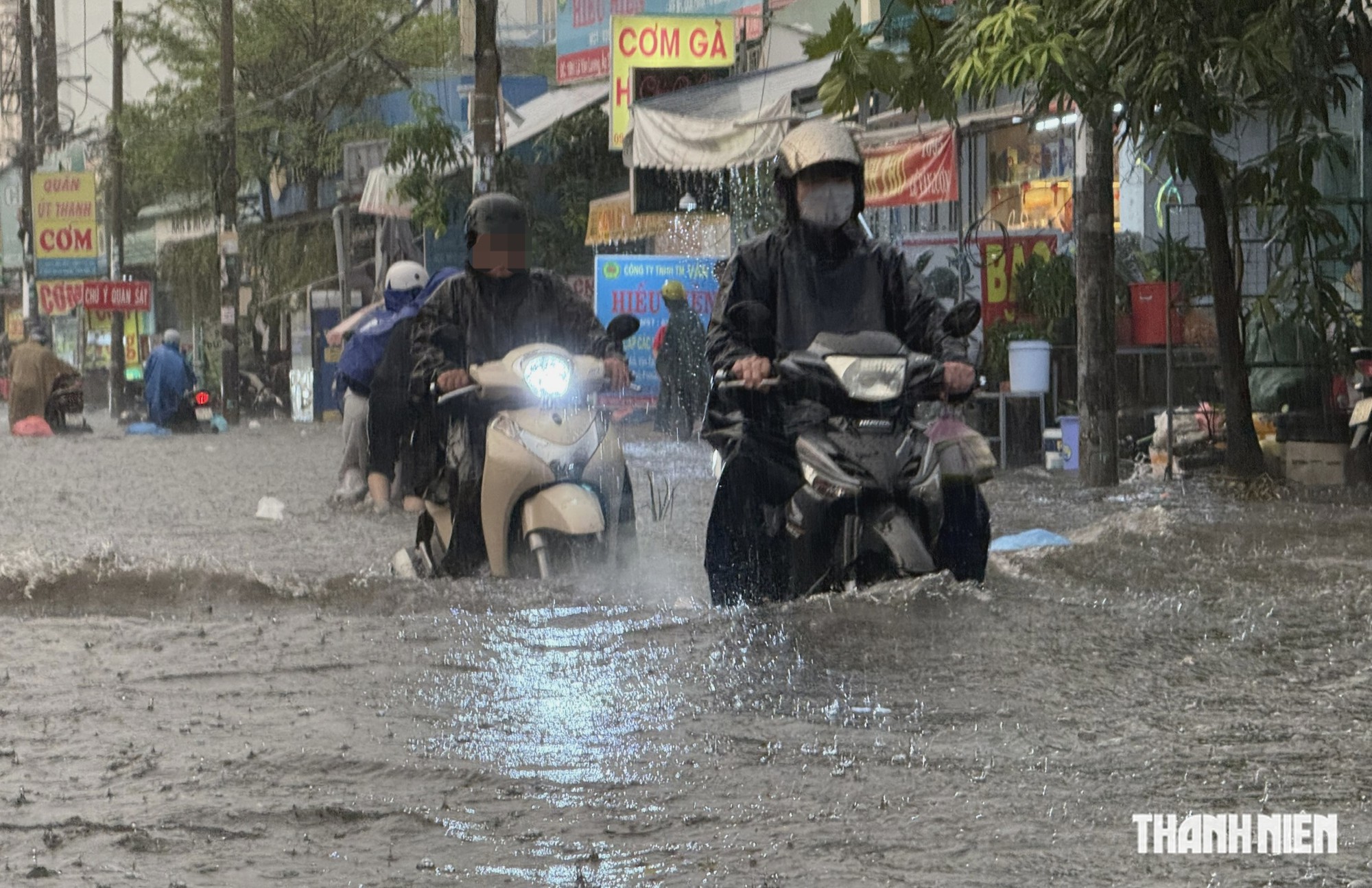
- Physical Exertion: In the context of urban flooding, citizens often engage in strenuous activity—pushing stalled vehicles, navigating heavy, debris-filled water, or maneuvering through traffic congestion. This physical labor, performed under duress, further elevates the heart rate and oxygen demand of the heart muscle.
- Psychological Strain: Environmental chaos, such as being stranded in traffic or the anxiety of navigating deep water, triggers the release of stress hormones like cortisol and adrenaline. This "stress response" acts as a catalyst for cardiac strain, further compounding the physiological risks already present from cold exposure.
Supporting Data and Medical Context
Cardiovascular diseases remain a leading cause of mortality globally. The World Health Organization (WHO) has long emphasized that individuals with cardiovascular risk factors—including high blood pressure, diabetes, and tobacco use—are hypersensitive to sudden changes in environmental conditions.
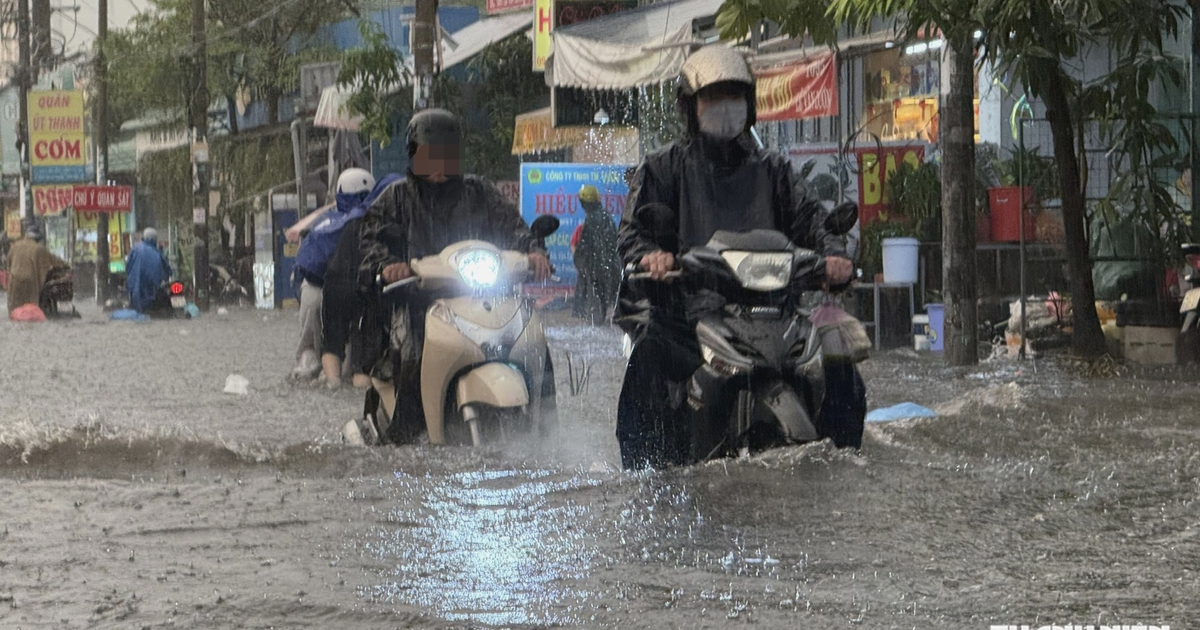
Medical data suggests that sudden spikes in blood pressure (hypertensive crises) are more frequent during periods of severe weather. In urban environments like Ho Chi Minh City, the combination of high humidity, cold wind, and floodwater creates a "triple threat" to cardiac health. When an individual with a weakened heart is subjected to this combination, the heart’s oxygen demand may exceed the supply, leading to ischemia or, in the worst-case scenario, tissue damage.
Clinical Risks and Warning Signs
The clinical implications of such exposure are profound. Patients with chronic heart conditions, such as coronary artery disease or heart failure, are particularly vulnerable. The "stress cascade" described by Dr. Hoang Anh can trigger acute coronary syndromes.
It is vital for the public to recognize the warning signs that necessitate immediate emergency medical attention. These symptoms include, but are not limited to:
- Persistent chest pain or a feeling of heavy pressure in the chest.
- Sudden, severe headaches.
- Unilateral weakness or numbness, specifically affecting one arm or one leg.
- Difficulty speaking or slurred speech.
- Sudden shortness of breath or lightheadedness.
If any of these symptoms manifest after exposure to cold, wet, or stressful environmental conditions, immediate transport to the nearest medical facility is mandatory. Time is the most critical factor in managing cardiac events.
Misconceptions Regarding Self-Medication
A common, yet dangerous, error observed in clinical practice is the tendency for patients to self-adjust their blood pressure medication after experiencing symptoms of distress. Some patients, upon feeling a rapid heartbeat or anxiety after coming in from the rain, mistakenly conclude that their blood pressure has spiked and decide to take an additional dose of their antihypertensive medication.
Dr. Hoang Anh warns strongly against this practice. Self-medicating without medical supervision can lead to "over-correction." If a patient takes extra medication during a period where blood pressure is only temporarily elevated due to environmental stress, they risk causing a sudden, dangerous drop in blood pressure (hypotension). This can result in dizziness, fainting, or syncope, which, if occurring while the patient is alone or in a public space, can lead to secondary injuries.
Patients must strictly adhere to the dosage and schedule prescribed by their healthcare provider. If a patient feels that their current medication regimen is insufficient during volatile weather, the appropriate course of action is to contact their doctor for a consultation, not to self-adjust doses.
Broader Public Health Implications
The increasing frequency of urban flooding in many parts of the world necessitates a shift in how cardiovascular patients prepare for inclement weather. Public health authorities and local hospitals are encouraged to provide more targeted advice for vulnerable populations. This includes:
- Monitoring Forecasts: Patients with heart conditions should avoid unnecessary travel during extreme weather warnings.
- Preparation: Ensuring that emergency contact information and necessary medications are easily accessible at all times.
- Protective Gear: If travel is unavoidable, wearing adequate waterproof and thermal clothing is essential to mitigate the effects of cold exposure on the vascular system.
- Controlled Exertion: Recognizing personal limits and opting for public transport or assistance rather than engaging in strenuous physical activity during floods.
Conclusion
While the immediate focus during a flood is often on property damage and mobility, the hidden toll on human health—specifically cardiovascular health—cannot be overlooked. The combination of cold-induced vasoconstriction, physical exhaustion, and the psychological impact of environmental stress forms a perfect storm for patients with hypertension and heart disease.
By maintaining strict adherence to prescribed treatments, avoiding unnecessary physical stress during adverse weather, and recognizing the early warning signs of a cardiac event, vulnerable individuals can significantly mitigate these risks. As climate patterns continue to fluctuate, awareness and proactive management remain the most effective tools for preventing the adverse health consequences of urban flooding. Medical professionals reiterate that while the environment may be beyond one’s control, the management of personal health must remain a disciplined, consistent priority.