Veto power as a political weapon can help Mr. Trump counter the Democratic party in the final two years of his term

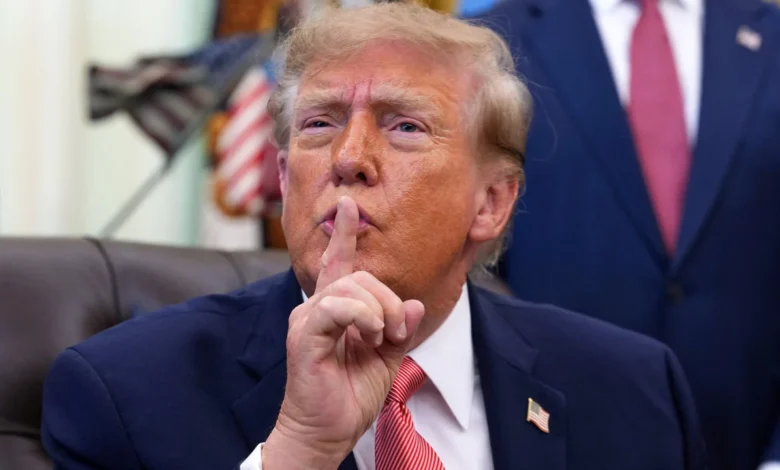
The fundamental structure of the United States government is designed around a delicate system of checks and balances, where the executive and legislative branches operate in a perpetual state of strategic tension. Following the results of the recent midterm elections, which saw the Democratic Party secure control of both the House of Representatives and the Senate, President Donald Trump has signaled a pivot toward his most potent constitutional instrument: the presidential veto. As the administration prepares for the final two years of his term, this "superpower" of the executive branch is poised to become the defining feature of his legislative strategy.
The Constitutional Basis of Presidential Power
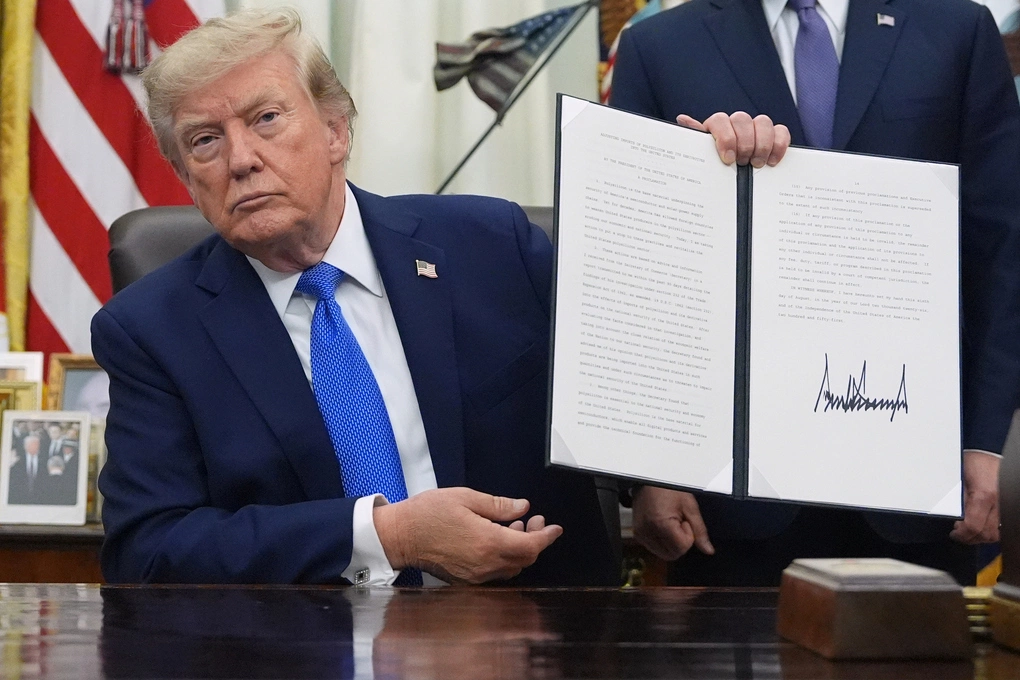
Article I, Section 7 of the United States Constitution provides the legal framework for the legislative process. Any bill passed by both the House and the Senate must be presented to the President before it can become law. Upon receipt of a bill, the President has three primary options: sign the legislation into law, allow it to become law without a signature, or exercise the veto power to reject the measure.
When a President exercises a formal veto, they must return the bill to the chamber of origin within ten days, excluding Sundays, accompanied by a memorandum explaining the objections. This act effectively halts the legislative progress of the bill. However, the system is not absolute; Congress retains the authority to override a presidential veto if both the House and the Senate can muster a two-thirds majority vote. Given the current composition of the 435-seat House and the 100-seat Senate, an override requires 290 and 67 votes respectively, a high bar that makes the President’s veto a formidable barrier to any opposition-led legislative agenda.
The Mechanics of the Pocket Veto
Beyond the formal veto, the Constitution grants the President a tactical alternative known as the "pocket veto." If the President does not sign or return a bill within the ten-day window and Congress adjourns during that period, the bill fails to become law. Unlike a standard veto, a pocket veto cannot be overridden by a vote in Congress. To revive such legislation, lawmakers must restart the entire process—drafting a new bill, securing passage in both chambers, and presenting it once again to the White House. This mechanism effectively allows the President to nullify legislation without the political fallout of a formal public rejection.
Historical Context and Statistical Significance
Data from the American Presidency Project at the University of California, Santa Barbara, highlights the historical usage of these tools. As of early 2026, 47 U.S. Presidents have exercised the veto power a combined 2,599 times. Throughout American history, Congress has successfully overridden a presidential veto in only 112 instances, representing a success rate of approximately 4.3 percent. This statistic underscores the immense advantage held by the executive branch in legislative disputes.
Historically, the power has been used most aggressively during periods of divided government. Andrew Johnson, who served from 1865 to 1869, remains the record-holder for the most overridden vetoes, with 15 of his 29 vetoes being overturned by a hostile Congress. In more recent history, the 1973 War Powers Resolution marked a significant moment of institutional conflict, when Congress overrode President Richard Nixon’s veto to reassert its oversight role regarding the deployment of military forces abroad.
In his first term, Mr. Trump faced a House of Representatives controlled by the Democratic Party following the 2018 midterms. During that period, he issued 10 vetoes, with one being overridden. In his current term, he has already successfully deployed the veto on two occasions in December 2025. By comparison, President Barack Obama exercised the veto 12 times during his tenure, with one override, while President Joe Biden has utilized the veto 13 times to date.
Strategic Implications for the Current Term
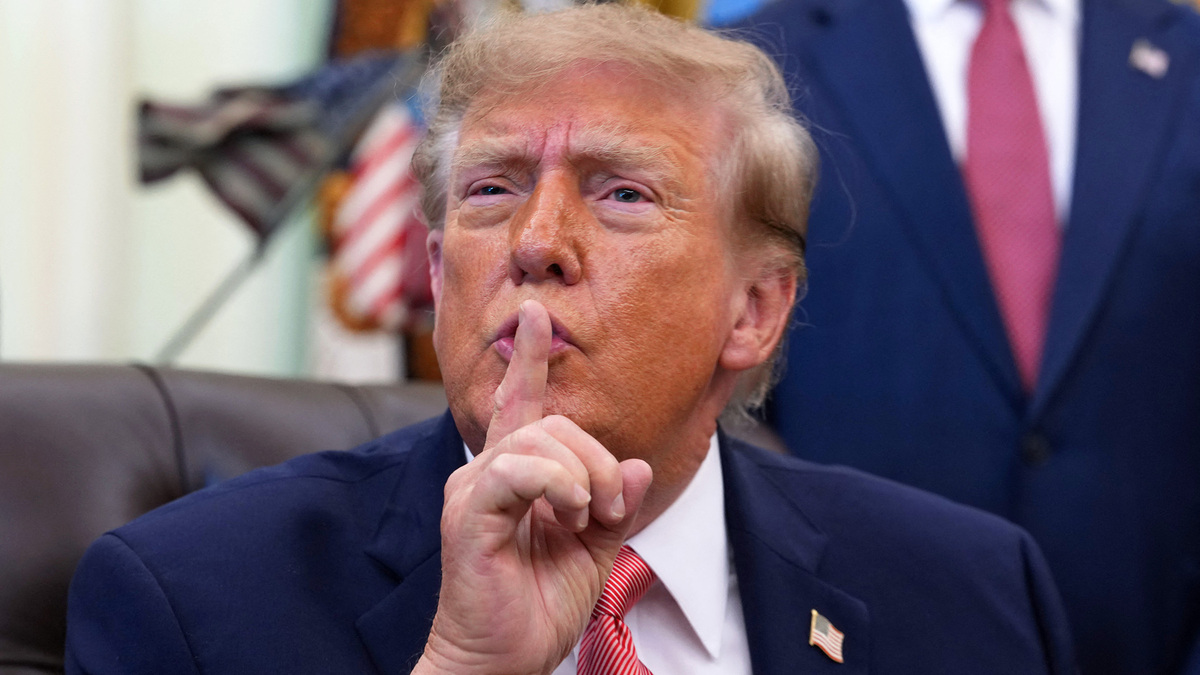
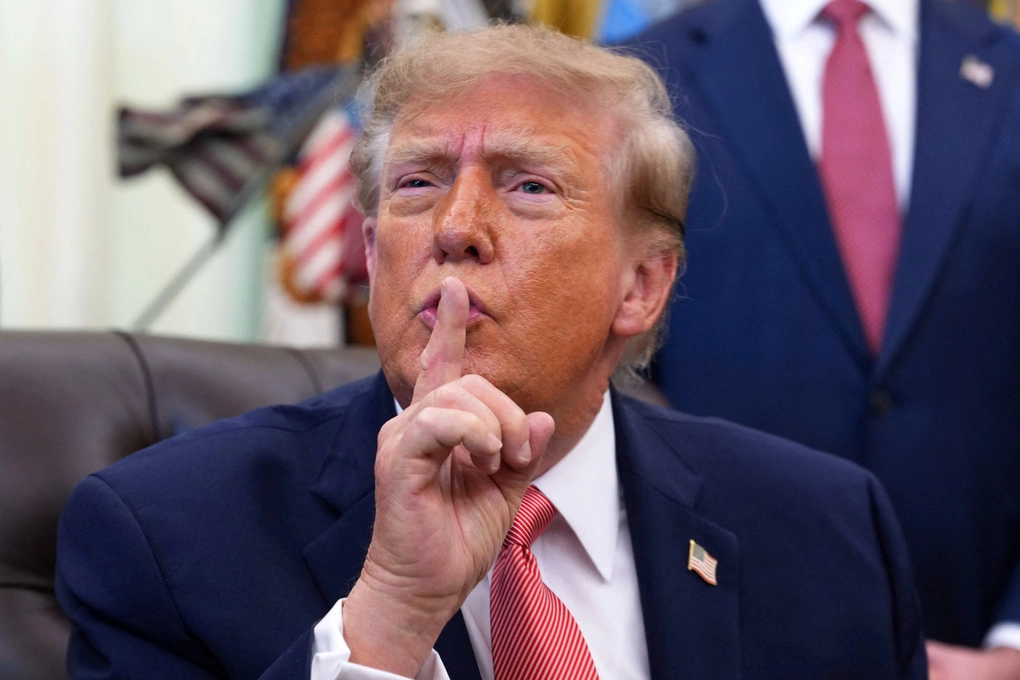
The current political landscape suggests that the final two years of Mr. Trump’s presidency will be defined by a legislative stalemate. As of early November 2026, following the conclusion of the midterm elections, the President has made his intentions clear. On November 3, 2026, he asserted his authority, stating, "I have the veto power. The veto power is the ultimate power." This rhetoric was followed by a symbolic post on his social media platform, Truth Social, featuring a graphic with the word "VETO" prominently displayed, signaling to the opposition that he is prepared to block any policy initiatives that do not align with his administration’s goals.
The White House also employs the "Statement of Administration Policy" (SAP) as a pre-emptive tool. These documents, released before congressional votes, serve as official notifications of the President’s intent to either support or veto a piece of legislation. They function as a warning shot, often compelling lawmakers to adjust the content of bills before they reach the President’s desk to avoid a confrontation.
The Path to Cooperation or Conflict
Despite the confrontational tone, some political analysts suggest that the threat of the veto is intended to force negotiation. On November 4, 2026, Mr. Trump expressed an openness to working with the Democratic Party, reiterating a conciliatory message he had previously delivered on election night. However, this overture was immediately qualified by a warning.
"They will send over their proposals, and I will veto them out of hand," the President remarked. "After a few months of being vetoed, they will send word asking how to pass the legislation. At that point, we will cooperate."
This strategy reflects a "pressure-cooker" approach to governance. By blocking initial legislative attempts, the President hopes to force the opposition to moderate their demands, eventually leading to a compromise that is more favorable to the White House. This dynamic will likely impact key policy areas including federal spending, the debt ceiling, foreign policy, and other legislative initiatives that will define the upcoming session of Congress, which is scheduled to commence on January 3, 2027.
Institutional Challenges and Future Outlook
The legal limitations of the veto were tested in 1996, when Congress passed the Line Item Veto Act, allowing President Bill Clinton to remove specific spending provisions and tax benefits after signing a bill. However, the Supreme Court struck down this mechanism in 1998, ruling that it was inconsistent with the constitutional presentment clause. Consequently, a President cannot veto individual provisions of a bill; they must accept or reject the legislation in its entirety. This constraint forces the administration to be highly selective in its use of the veto, as blocking a comprehensive bill could inadvertently halt favored provisions alongside the rejected ones.
As the 119th Congress prepares to convene in January 2027, the legislative agenda will undoubtedly be complicated by the partisan divide. While the veto serves as a blunt instrument of power, it also reflects the profound polarization within the American political system. The ability of the President to effectively leverage this power will depend not only on his willingness to engage in legislative brinkmanship but also on the unity of the congressional opposition. Whether the final two years of this term will be defined by productive compromise or gridlocked antagonism remains to be seen, but one thing is certain: the veto will be at the center of every major policy debate in Washington.