Pickleball playing on weekends: Critical safety considerations for older adults and sedentary individuals

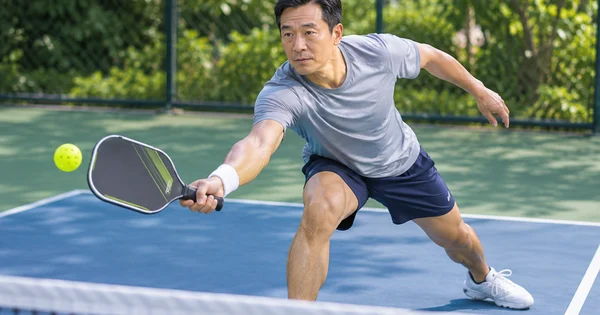
Pickleball has rapidly ascended to the top tier of global recreational sports, captivating millions with its accessibility, social benefits, and relatively low barrier to entry. Combining elements of tennis, badminton, and table tennis, the sport is often marketed as a low-impact activity suitable for all ages. However, as participation rates surge, medical professionals are increasingly documenting a rise in musculoskeletal injuries among a specific demographic: the "weekend warriors." These are individuals who maintain sedentary lifestyles during the work week but engage in high-intensity, repetitive physical exertion during their limited weekend leisure time. This abrupt transition from inactivity to strenuous movement presents significant physiological risks, particularly for older adults whose joints, tendons, and ligaments may not be adequately conditioned for the explosive demands of the court.
The Physiology of the Weekend Warrior Syndrome
The term "weekend warrior" refers to a pattern of physical activity characterized by infrequent, high-intensity exercise that follows a prolonged period of inactivity. Dr. Diane Tai, a prominent orthopedic and sports injury specialist based in Hong Kong, highlights that the human body is not inherently designed for this "all-or-nothing" approach to athletics.
When a sedentary individual suddenly pivots, sprints, or jumps on a pickleball court, they place sudden, extreme mechanical loads on their musculoskeletal system. The connective tissues—tendons and ligaments—require consistent, gradual loading to maintain elasticity and strength. Without this regular stimulus, these structures become stiff and brittle. The sudden torque of an abrupt change in direction, a hallmark of competitive pickleball, can lead to severe strain, partial tears, or complete ruptures.
Chronology of Injury Trends and Data
While pickleball was originally conceived in 1965, its meteoric rise in popularity only began in the early 2020s. Data from the National Safety Council and various sports medicine institutes suggest that as the sport’s popularity has grown, so too has the volume of emergency department visits associated with it.
A retrospective analysis of sports-related injuries indicates that the vast majority of pickleball-related trauma occurs in players over the age of 50. In the early stages of the sport’s expansion, injuries were largely attributed to simple falls. However, as the level of play has become more competitive, the nature of injuries has shifted toward high-energy mechanical failures: Achilles tendon ruptures, rotator cuff tears, and severe ankle sprains. These injuries often occur in the third or fourth hour of a weekend session, where fatigue begins to compromise neuromuscular control.
Analyzing the Mechanics of Pickleball Injuries
To understand why pickleball is proving hazardous for the unprepared, one must examine the specific biomechanical stresses involved in the game.
Upper Extremity Strain
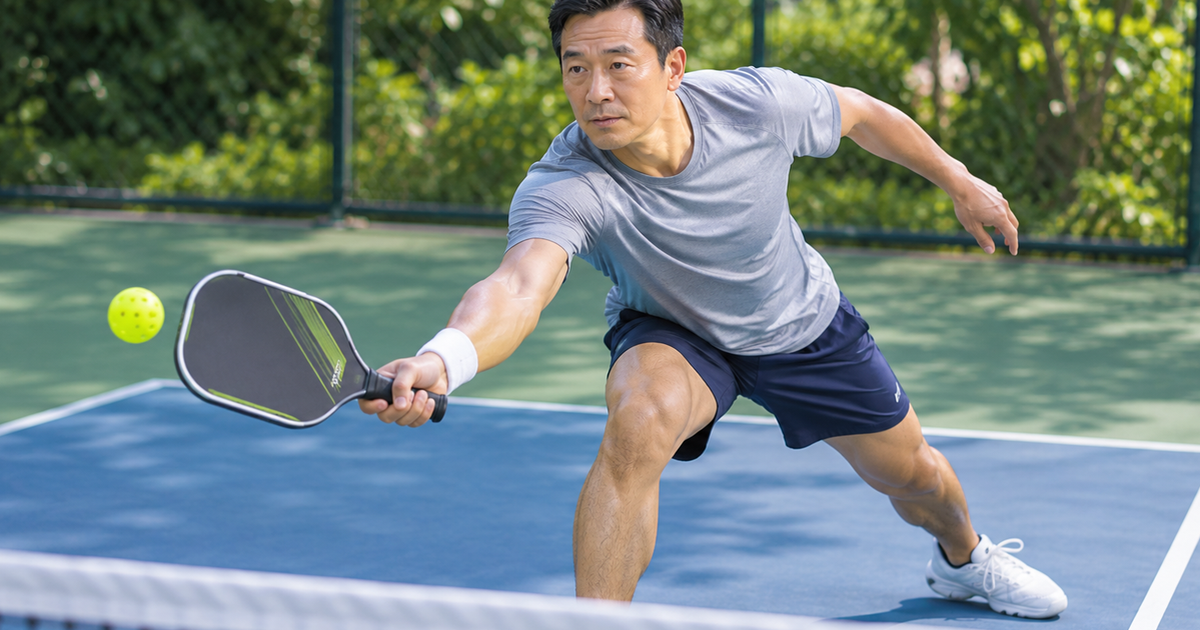
The repetitive "dinking" and rapid-fire volleying at the net place significant stress on the shoulder, elbow, and wrist. The "tennis elbow" phenomenon—lateral epicondylitis—is increasingly being renamed "pickleball elbow" by clinical practitioners. The constant, repetitive swinging motion, often performed with improper form or incorrect paddle grip, leads to inflammation of the tendons surrounding the elbow. Similarly, the shoulder’s rotator cuff is subjected to repeated overhead motions and high-velocity reactions, which can lead to tendinopathy or structural tears in older players who lack the necessary baseline muscular endurance.
Lower Extremity Vulnerability
The lower body is perhaps the most vulnerable area during pickleball play. The court requires frequent lateral movements, "split-step" stances, and sudden acceleration and deceleration.
- The Achilles Tendon: This is the most critical area of concern. The Achilles tendon, which connects the calf muscle to the heel, undergoes intense tension during jumping and rapid forward lunges. In aging populations, the blood supply to this tendon naturally decreases, making it prone to "micro-tearing." If a player ignores minor, nagging pain, these micro-tears can culminate in a full-scale rupture.
- Ligament Stability: Rapid changes in direction on hard courts often result in inversion sprains of the ankle. Furthermore, the knee joint, specifically the meniscus and anterior cruciate ligament (ACL), is at risk when a player attempts to stop abruptly or pivot on a fixed foot.
The Role of Lifestyle and Pre-existing Factors
Dr. Tai notes that age-related decline is an immutable factor. As we age, the synthesis of collagen in our connective tissues slows down. This biological reality, combined with the lifestyle of the weekend warrior, creates a "perfect storm" for injury.
Furthermore, behavioral factors exacerbate these risks. Smoking, for instance, is a well-documented antagonist to healthy tendon function. Nicotine causes vasoconstriction, which reduces the oxygen and nutrient supply to the tendons, further slowing the body’s natural repair process. When a smoker who is also a sedentary worker takes to the court on a Saturday morning, their tissues are functionally "older" and more fragile than their chronological age might suggest.
Clinical Guidance: The "Listen to Your Body" Protocol
Medical professionals are now establishing a standardized set of recommendations for those looking to participate in the sport safely. The primary directive is the abandonment of the "no pain, no gain" mentality.
The Necessity of Warm-up Protocols
Skipping a warm-up is the most common precursor to injury. A proper warm-up for pickleball should not merely consist of a few arm circles. It requires dynamic movements that mimic the demands of the sport: side-stepping, light jogging, and shadow-swinging without the paddle. This increases the internal temperature of the muscles and prepares the synovial fluid in the joints for high-intensity activity.
The Progression of Intensity
For those who have not engaged in regular aerobic or resistance training during the week, jumping into a high-intensity, competitive pickleball match is ill-advised. Players are encouraged to:
- Introduce cross-training: Incorporate light resistance training and flexibility exercises (such as yoga or Pilates) throughout the week to prepare the body for weekend demands.
- Seek Professional Coaching: A coach can correct inefficient movement patterns that place unnecessary stress on the joints.
- Monitor "Post-Exertional" Pain: It is vital to distinguish between normal exercise-induced soreness and injury-related pain. Normal muscle soreness usually manifests as a dull ache that dissipates within 48 to 72 hours.
When to Seek Immediate Medical Attention
Players should be hyper-vigilant for specific "red flag" symptoms. If a player experiences:
- A sudden "popping" sound in the heel, often accompanied by the sensation of being struck from behind, they should immediately suspect an Achilles rupture.
- Localized swelling that does not subside after icing.
- Significant bruising or hematoma formation.
- Mechanical instability, such as the inability to bear weight or an inability to stand on tiptoes.
In these instances, immediate orthopedic evaluation is mandatory. Attempting to "play through" these symptoms is a common mistake that often turns a treatable injury into one requiring surgical intervention and months of rehabilitation.
Broader Implications for Public Health
The surge in pickleball-related injuries serves as a microcosmic indicator of a broader public health challenge. As society encourages active aging and healthy lifestyles, the infrastructure for these activities—the courts and clubs—is expanding rapidly. However, the accompanying health literacy regarding how to prepare for these activities is lagging.
Healthcare providers and community sports organizations are now being urged to integrate safety education into the onboarding process for new pickleball players. The goal is to transform the "weekend warrior" into a "consistent practitioner." By encouraging moderate, steady physical activity throughout the week, the risk of catastrophic injury during weekend play is significantly reduced.
In conclusion, while pickleball is a fantastic vehicle for social interaction and physical health, it is not a low-risk activity for the sedentary. It is a sport that demands a baseline level of physical preparation. By respecting the physiological limitations of the human body, prioritizing dynamic warm-ups, and responding to the early warning signs of injury, participants can continue to enjoy the benefits of the sport well into their later years without succumbing to the risks of acute orthopedic trauma.