Mùa hồng chín trĩu cây, ngon nhưng ai cần thận trọng khi ăn không đúng cách có thể gây tắc ruột

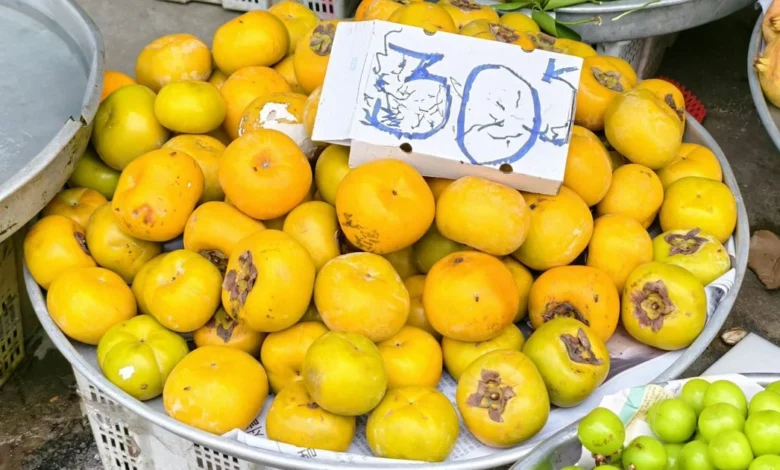
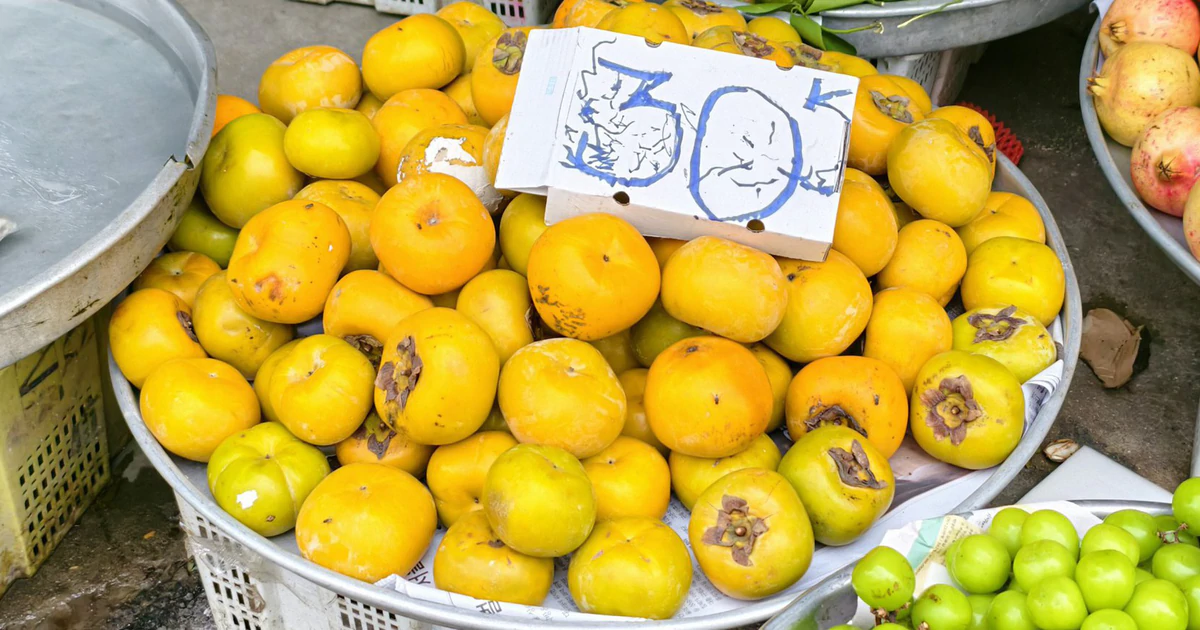
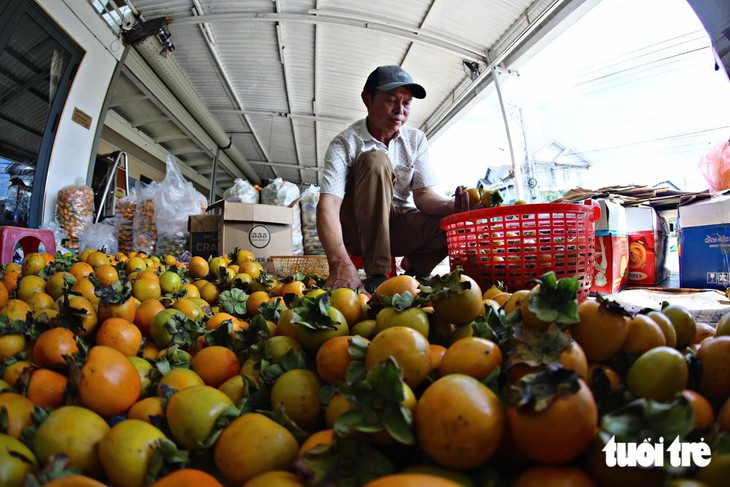
Persimmon season brings vibrant orange fruit to markets across the region, attracting consumers eager to enjoy the sweet, seasonal delicacy. However, health experts are issuing urgent warnings about the hidden dangers of consuming unripe or improperly eaten persimmons, which can lead to severe gastrointestinal complications. Recent medical emergencies, including a 40-year-old patient in Hai Phong requiring emergency surgery due to a hard intestinal blockage, underscore the potential risks associated with this popular autumn fruit.
Understanding the Biochemical Mechanism Behind Persimmon-Induced Bowel Obstruction
The danger of consuming certain types of persimmons—particularly astringent varieties or unripe fruit—lies in their unique chemical composition. When ingested improperly, these fruits can form hardened masses known as phytobezoars within the stomach, which may subsequently travel down the digestive tract and cause mechanical bowel obstructions.
This phenomenon is primarily driven by two key biochemical components found naturally in persimmons:
- Shibuol: A type of soluble tannin, which is a polyphenol compound responsible for the characteristic astringent taste of unripe persimmons. Shibuol is exceptionally sensitive to acidic environments.
- Insoluble Dietary Fiber: Comprising pectin, cellulose, and hemicellulose, these tough, resilient fibrous networks act as a structural framework binding other components together.
When raw or semi-ripe persimmon flesh enters the stomach, the shibuol compounds interact directly with gastric acid. Under conditions of low pH, shibuol undergoes denaturation and polymerization, transforming rapidly from a soluble state into a dense, insoluble gel precipitate. This gel possesses extremely high adhesive properties, quickly binding together dietary fibers from the persimmon itself, undigested food particles, and fragments of gastric proteins.
Fueled by the continuous mechanical churning of the stomach muscles, this viscous mixture is kneaded, compressed, and packed tightly over time, steadily accumulating new food debris until it forms a hard, rock-like mass.
Clinical Complications and Surgical Emergencies
A persimmon-induced phytobezoar does not always remain dormant in the stomach. Under certain conditions—such as eating persimmons on an empty stomach, combining them with high-protein foods, or experiencing reduced gastric motility and low stomach acid—the mass can grow significantly.
If the hardened phytobezoar migrates from the stomach into the small intestine and its diameter exceeds the luminal diameter of the bowel, it becomes entirely lodged. This triggers an acute mechanical intestinal obstruction, which can rapidly progress to severe complications such as intestinal ischemia, bowel perforation, and life-threatening peritonitis unless immediate surgical intervention is performed.
Beyond the immediate surgical risks, patients suffering from phytobezoars often experience excruciating spasmodic abdominal pain (typically in the upper epigastric region), severe lower abdominal bloating, persistent nausea, vomiting, and an inability to pass gas or stool. These are critical warning signs indicating acute mucosal irritation or complete obstruction by a food bolus. Medical professionals strongly advise against attempting to force-feed or consume carbonated or sugary drinks in such scenarios; instead, patients must be rushed to a hospital for emergency evaluation.
High-Risk Groups: Who Should Exercise Extreme Caution?
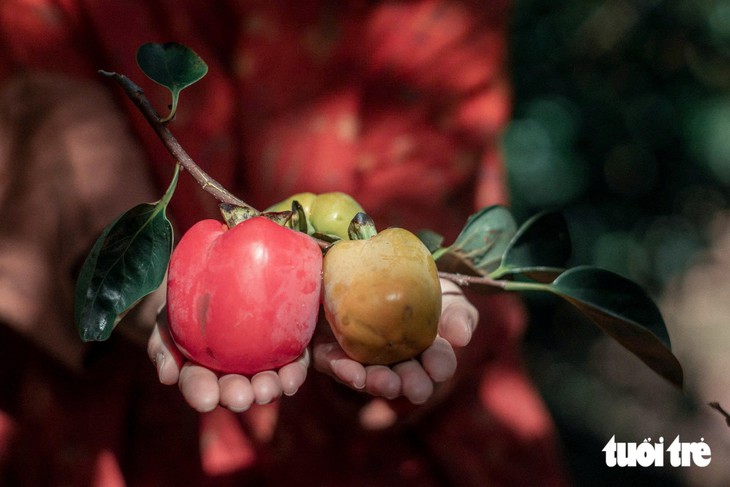
While persimmons are rich in dietary fiber and beneficial antioxidants, their biological compounds require careful handling by the human digestive system. Health specialists recommend consuming only fully ripe persimmons, as the natural ripening process allows enzymes to break down shibuol and eliminate astringency. Furthermore, eating persimmons approximately one hour after a main meal—when the stomach already contains food and gastric acid is partially neutralized—greatly reduces the risk of adverse reactions.
Certain demographic and medical groups must exercise heightened caution or avoid persimmons altogether:
- Individuals with Gastrointestinal Disorders: People with a history of gastritis, gastric ulcers, gastroesophageal reflux disease (GERD), or those who have undergone gastric bypass or resection surgery face a significantly higher risk of bezoar formation. Similarly, individuals managing type 1, type 2, or gestational diabetes, or those with impaired glucose tolerance, must be wary of the fruit’s sugar content.
- Vulnerable Age Groups: Children under the age of 5 and adults over the age of 65 should limit their consumption. Young children have developing digestive systems, while older adults often experience a natural decline in gastrointestinal motility and digestive enzyme secretion. Individuals with chronic progressive chronic kidney disease should also proceed with caution.
- Those Prone to Chronic Constipation: Individuals who frequently suffer from chronic constipation, poor bowel motility, or hard stools should restrict their intake to prevent exacerbating digestive discomfort.
Fresh Persimmons vs. Dried and Hanging Persimmons: Which Is Better and What Is the Safe Dosage?
Because persimmons contain significant amounts of natural sugars and dense dietary fiber, controlling portion sizes is the key to protecting metabolic health.
- Fresh Persimmons: These contain high water content, lower calorie counts, and serve as a reliable source of vitamin C. However, unripe fresh persimmons contain high levels of soluble tannin (shibuol). Nutritionists recommend limiting consumption to 1 to 2 fruits per day (approximately 150 to 200 grams).
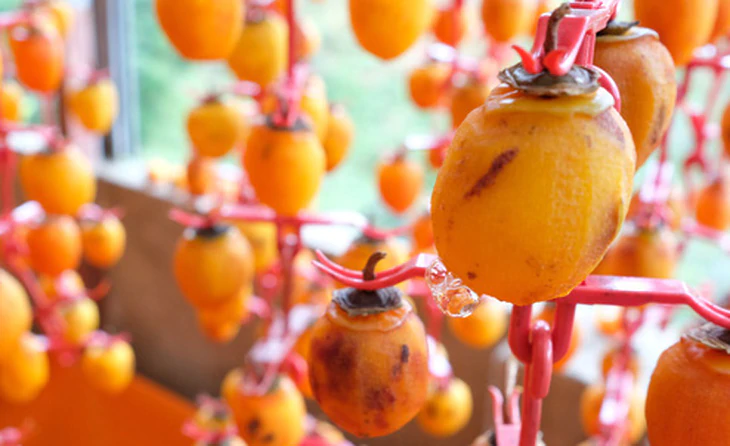
- Hanging or Dried Persimmons: Dried persimmons undergo a dehydration process that concentrates calories, carbohydrates, dietary fiber, and minerals by several folds. Conversely, heat exposure (in hot-air drying) or prolonged exposure to oxygen and UV radiation (in traditional hanging) leads to a significant reduction in vitamin C content. Due to their concentrated sugars and reduced moisture, dried persimmons should be consumed in strict moderation—no more than 1 fruit per day (approximately 35 to 50 grams). Overconsumption can lead to sudden blood sugar spikes and fat accumulation.
Broader Public Health Implications and Seasonal Awareness
As agricultural regions enter peak harvest periods, public health officials emphasize that seasonal eating habits must be balanced with nutritional awareness. Traditional delicacies such as fresh persimmons and air-dried hanging fruit are cultural staples of the autumn season, often paired with afternoon tea. However, medical professionals urge consumers to prioritize food safety not only in terms of hygiene and chemical residues but also regarding internal physiological compatibility.
Public health campaigns during the harvest season increasingly focus on educating consumers about proper food combinations. For instance, pairing persimmons with protein-rich seafood, high-tannin teas, or consuming them on an empty stomach creates a biochemical recipe for bezoar formation. By fostering greater awareness of how specific foods interact with gastric chemistry, healthcare providers hope to prevent avoidable emergency surgeries and ensure that seasonal enjoyment remains a safe and healthy experience for consumers of all ages.
Related posts: