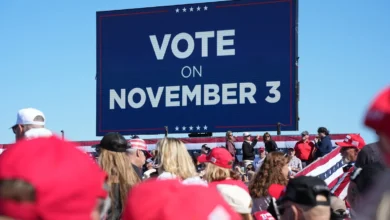
Democratic Midterm Sweep Sets Up High-Stakes Clash With President Donald Trump in Washington

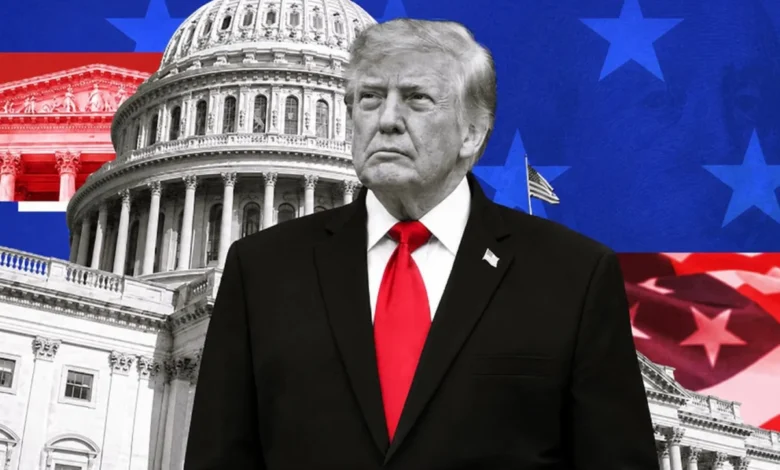
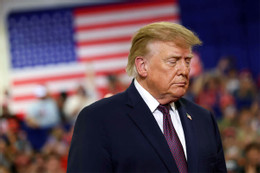
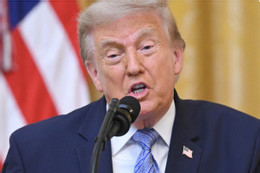
The dramatic political landscape of the United States shifted decisively in January 2027 following the midterm elections, which resulted in a sweeping victory for the Democratic Party. Securing full control of both chambers of the United States Congress, Democrats capitalized on public fatigue with inflation, rising living costs, and foreign policy friction. However, this legislative triumph does not guarantee a smooth transition from campaign promises to enacted policy, particularly as President Donald Trump retains executive veto power and the Republican Party maintains control of the White House.
Political analysts emphasize that capturing both the House of Representatives and the Senate creates a complex power-sharing dynamic rather than an absolute mandate. During the fierce campaign trail, Democratic congressional candidates pledged aggressive oversight, including investigations into corporate corruption, steps to lower healthcare, food, and fuel prices, and measures to constrain ongoing military engagements abroad, specifically regarding Iran. Fulfilling these commitments will require high-stakes negotiations, complex compromises, and relentless tactical maneuvering against an entrenched executive branch.
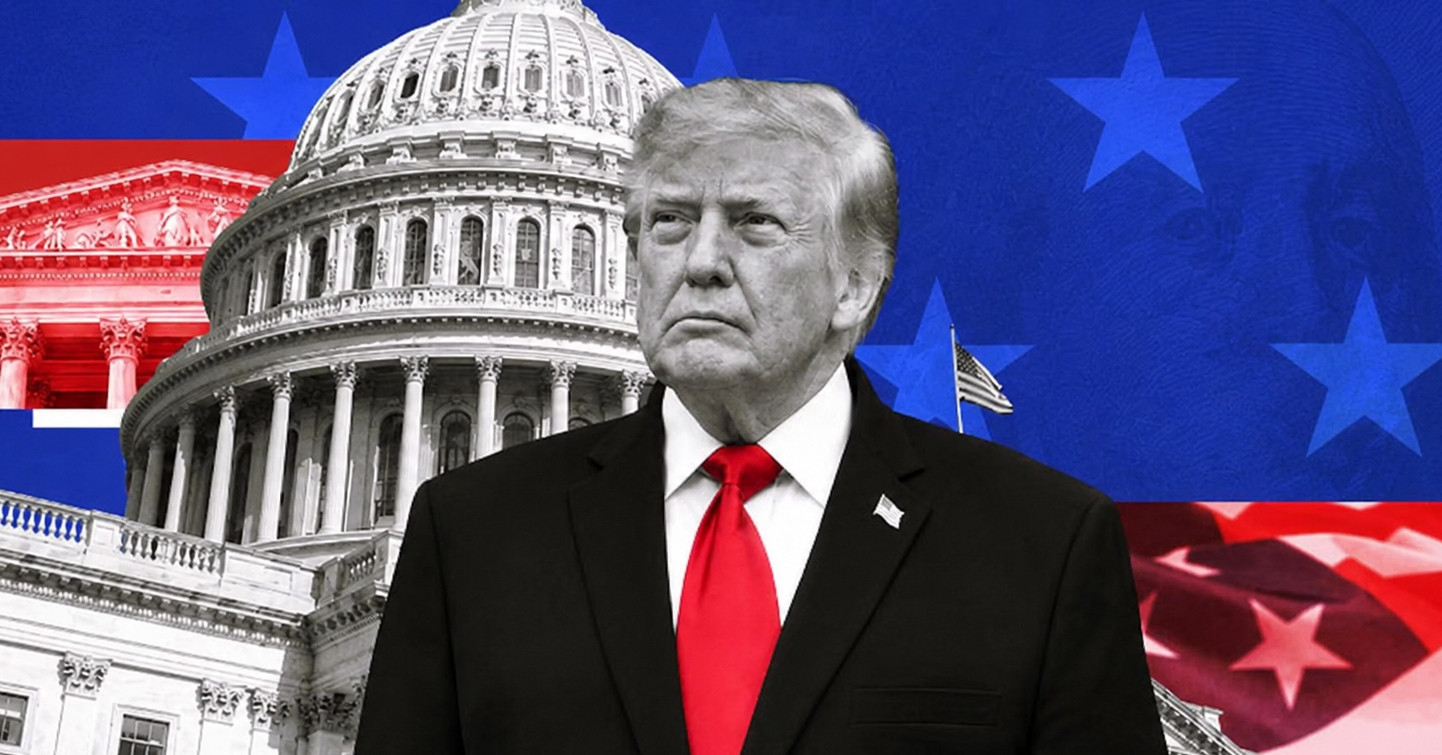
Understanding the Midterm Reality and Legislative Hurdles
Leading Democrats have cautioned against misinterpreting the election results as an unconditional endorsement by the electorate, pointing out that public approval ratings for the party remain modest. Senator Chris Coons, a prominent voice among Senate Democrats, stressed that the critical metric moving forward is demonstrating the tangible capacity to govern and solve pressing household problems. Inflation and the steady escalation of consumer costs remain top concerns for working-class families across the nation.
Despite holding slim majorities in both congressional chambers, Democrats face a formidable institutional roadblock: the presidential veto. While a congressional majority enables the passage of straightforward legislation, bills require the signature of the president to become law. Congress can only override a presidential veto by securing a two-thirds supermajority in both the House and the Senate—an extremely difficult threshold for a single party to achieve independently. Professor Casey Burgat of George Washington University noted that the legislative process invariably grows significantly more complicated when one party controls the legislative branch while the other holds the executive office.
Following the string of legislative setbacks and losses in congressional races, President Trump initially stated his readiness to cooperate with the Democratic leadership. However, subsequent social media posts featuring provocative messaging surrounding executive authority illustrated the underlying volatility and potential for intense gridlock between the White House and Capitol Hill.
Congressional Oversight and the Threat of Subpoenas
One of the most consequential authorities acquired by the Democratic Party following the midterm election is the strengthened capability to ramp up oversight of executive branch activities through powerful congressional committees. Representative Robert Garcia, poised to lead a high-profile oversight panel in the House, warned that Republicans and individuals closely aligned with the President must prepare for rigorous investigations. Primary targets for these inquiries include administration policies, corporate corruption allegations, and alleged abuses of federal agency authority.
According to reports from international news organizations, the House Oversight Committee possesses broad subpoena and investigative powers. These tools enable lawmakers to probe allegations of conflicts of interest, corporate profits, and the management of sensitive federal portfolios by agencies such as the Department of Homeland Security and Immigration and Customs Enforcement (ICE). Additionally, Senate Democrats retain the constitutional authority to confirm or reject judicial nominees and high-ranking executive appointments. Should vacancies arise on the United States Supreme Court during the remainder of the presidential term, Senate Democrats can block partisan nominees or compel the White House to select consensus candidates who command bipartisan support.
Another significant mechanism available to the House of Representatives is the impeachment of the president. Although Democrats twice impeached Donald Trump during his first term—only to see him acquitted by the Senate—the procedural requirements remain stringent. Removing a president through impeachment requires the affirmative vote of at least two-thirds of the 100 senators, translating to 67 votes. Consequently, despite controlling a newly expanded Senate caucus, Democrats lack the requisite numbers without substantial support from Republican colleagues.
Internal Party Divisions and Foreign Policy Constraints
Beyond confronting the Republican administration, the Democratic Party faces internal divisions, particularly regarding foreign policy in the Middle East and military aid to Israel. During the midterm elections, progressive candidates—such as newly elected Senator Abdul El-Sayed of Michigan—campaigned heavily on restricting military assistance to Israel. This viewpoint creates immediate friction with the party’s moderate leadership, complicating efforts to project a unified legislative front.
Foreign policy and military oversight present additional battlegrounds. Prior to the midterms, lawmakers from both parties attempted to advance measures limiting the president’s war-making powers. In June preceding the election, both congressional chambers passed resolutions demanding an end to hostilities against Iran. Nevertheless, President Trump and his national security team largely ignored these measures, maintaining that the executive branch holds broad constitutional authority to conduct military campaigns abroad.
Scott Anderson, a senior governance studies expert at the Brookings Institution, noted that the division of war powers between the legislative and executive branches remains an unresolved legal gray area. Congress retains the option to bring disputes before the federal judiciary to secure a definitive ruling on the constitutional limits of presidential authority in wartime.
Economic Priorities and Healthcare Reform
Among the primary legislative priorities for the Democratic majority is the restoration of federal funding for public health programs reduced under previous Republican initiatives. In particular, lawmakers are targeting Medicaid expansions for low-income citizens and tax credits established under the Affordable Care Act (ACA), widely known as Obamacare. However, reviving these programs faces strong opposition from the White House and conservative lawmakers.
For issues with potential bipartisan consensus—such as lowering everyday living costs, regulating the artificial intelligence (AI) industry, and reviewing military assistance—negotiations remain fragile. Republican lawmakers may hesitate to grant legislative victories to their political opponents as both parties position themselves ahead of the upcoming 2028 presidential election.
Ultimately, while the midterm elections grant Democrats crucial oversight tools and institutional leverage, legislative control does not equate to unchecked policymaking power. Executive vetoes, partisan polarization, and internal party fractures will serve as formidable barriers to transforming ambitious campaign pledges into lasting statutory law.