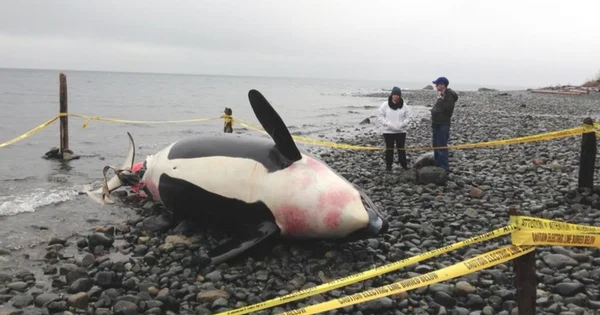
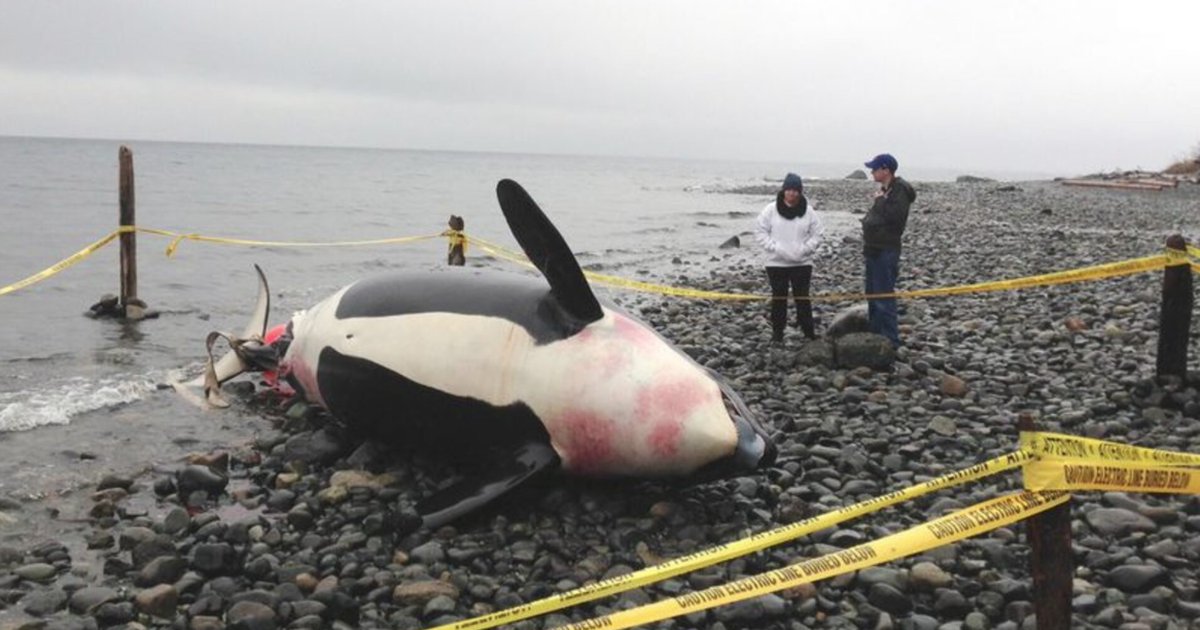
In the frigid, nutrient-rich waters of the Salish Sea—a complex network of coastal waterways stretching between British Columbia, Canada, and Washington State, U.S.—a unique tragedy is unfolding. The Southern Resident killer whales (SRKWs), a distinct ecotype of orca known for their specialized diet and complex social structures, are teetering on the brink of extinction. With a population now hovering at just 76 members, scientists and conservationists are sounding the alarm: the survival of this iconic apex predator is threatened not by a single cataclysmic event, but by a confluence of invisible, persistent stressors that degrade their habitat and hinder their ability to reproduce and thrive.
The Anatomy of an Endangered Population
The Southern Resident orcas are not typical transient orcas. They are highly specialized predators that rely almost exclusively on Chinook salmon. Their survival is intrinsically linked to the health of the Pacific Northwest’s salmon runs, which have themselves faced significant declines due to climate change, habitat destruction, and overfishing.
The history of the SRKWs is one of steady decline punctuated by brief moments of recovery that failed to hold. It was not until the 1970s that the scientific community recognized the Southern Residents as a distinct group with genetic markers that set them apart from other North Pacific orca populations. A survey conducted in 1974 identified 71 individuals. Over the next two decades, the population fluctuated, reaching a peak of 98 in 1995, before entering a sharp decline. By 2001, the number had dropped to 79. In 2005, the United States officially listed the Southern Resident killer whale as an endangered species, a status that has failed to reverse the downward trend.
The Invisible Killer: Underwater Noise Pollution
While the depletion of prey is a primary concern, a more pervasive and insidious threat is the escalating noise pollution within the Salish Sea. As highly acoustic animals, orcas rely on echolocation to navigate, communicate, and, most importantly, hunt. The Salish Sea is one of the busiest maritime corridors in North America, with constant traffic from massive cargo ships, tankers, ferries, and recreational vessels.
The acoustic environment of the ocean is now so saturated with human-generated noise that it effectively masks the high-frequency clicks and whistles the whales use to track their prey. Research, including reports published in the National Library of Medicine, indicates that for every one-decibel increase in underwater noise, the ability of female orcas to successfully hunt drops by 58%. Furthermore, their success in capturing prey is reduced by 12.5% for every incremental increase in decibel levels.
Rachel Aronson, program director of the initiative Quiet Sound, a project under the Maritime Blue organization in Washington, describes the noise as a "persistent threat." According to Aronson, when the underwater environment is chaotic, the orcas struggle to find food. This leads to a dangerous paradox: the energy expenditure required to hunt in a noisy environment often exceeds the caloric benefit of the catch. This is particularly devastating for pregnant females or those nursing calves, who require a constant, high-caloric intake to sustain themselves and their offspring.
Chronology of Conservation Efforts
The realization that human activity was actively starving these animals prompted a series of international interventions. In November 2014, Canada launched the Echo Program, a collaborative effort to improve the living environment of marine mammals by monitoring population health and implementing mitigation strategies. By 2017, the program began testing measures to encourage vessels to reduce speed, thereby lowering the noise footprint in critical habitats.
Following this, in 2022, the United States adopted a similar approach through Quiet Sound. This program focuses on voluntary speed reductions along a 32-kilometer stretch of shipping lanes leading into the major ports of Seattle, Tacoma, and Everett. By slowing down, large vessels generate significantly less cavitation—the process by which propeller blades create bubbles that collapse and produce intense underwater noise.
The Integration of Artificial Intelligence
Monitoring a population of 76 whales across thousands of square miles of ocean is a logistical challenge of immense proportions. Traditional observation methods—relying on researchers in small boats or aerial surveys—are limited by weather, visibility, and the vastness of the sea.
To overcome these barriers, Quiet Sound has partnered with SMRU Consulting and Microsoft to deploy advanced "smart" hydrophone systems. These buoys are equipped with artificial intelligence (AI) algorithms capable of listening to, identifying, and distinguishing the vocalizations of the Southern Residents from the background noise of the ocean and the calls of other marine life.
In July of this year, a new buoy prototype named CAB was deployed in the Haro Strait, a critical corridor on the border of the U.S. and Canada. This technology provides real-time data, allowing authorities to warn approaching vessels when orcas are in the vicinity, creating "quiet zones" on demand. While the results are promising, experts caution that technology is merely a bandage on a much larger wound.
Broader Implications and Ecological Impact
The decline of the Southern Resident orcas serves as a bellwether for the health of the entire Pacific Northwest ecosystem. As apex predators, their survival is essential for maintaining the balance of the marine food web. Their potential extinction would not only be a cultural and biological loss but would also signal the collapse of the complex environmental interactions that sustain the Salish Sea.
The economic and logistical challenge of protecting these whales is significant. The shipping industry, which is the lifeblood of the Pacific Northwest economy, is being asked to alter its operations in ways that carry financial costs. However, the regulatory and voluntary frameworks now in place acknowledge that the cost of inaction is far higher.
A critical issue remains: even if noise levels were perfectly managed, the underlying shortage of Chinook salmon remains the most significant barrier to recovery. Conservationists argue that the restoration of salmon spawning grounds and the removal of obsolete dams are the only long-term solutions to ensure there is enough food for the whales to reproduce successfully.
The Path Forward
The situation remains precarious. The 76 remaining members represent a genetic bottleneck that leaves the population vulnerable to disease and further environmental shifts. Scientists are now looking at the demographic structure of the group, noting that a significant portion of the population consists of older individuals, with a concerning lack of successful births in recent years.
The integration of AI, the expansion of protected areas, and the enforcement of quiet zones are steps in the right direction, but they must be sustained. The "invisible threat" of noise is being made visible through data, but the "visible threat" of habitat degradation and prey loss requires political will and cross-border cooperation between Ottawa and Washington D.C.
As the whales continue to navigate the congested waters of the Salish Sea, they carry the weight of their species’ future. Every successful hunt, every birth, and every calf that reaches maturity is a hard-won victory against a backdrop of increasing human encroachment. The efforts of organizations like Quiet Sound and the Echo Program demonstrate that humans have the capacity to monitor and mitigate their impact; the question remains whether these actions can be scaled and sustained in time to prevent the permanent loss of one of the ocean’s most intelligent and charismatic species.
The struggle of the Southern Resident orcas is not merely a regional concern; it is a global microcosm of the conflict between industrial progress and the preservation of biodiversity. For now, the 76 survivors continue their patrol of the Salish Sea, a reminder of the fragile interconnectedness of all life in the Pacific Northwest. The coming decade will prove decisive in determining whether the Southern Residents will remain a permanent fixture of these waters or disappear, leaving behind only echoes in the data collected by the very machines that currently threaten their existence.