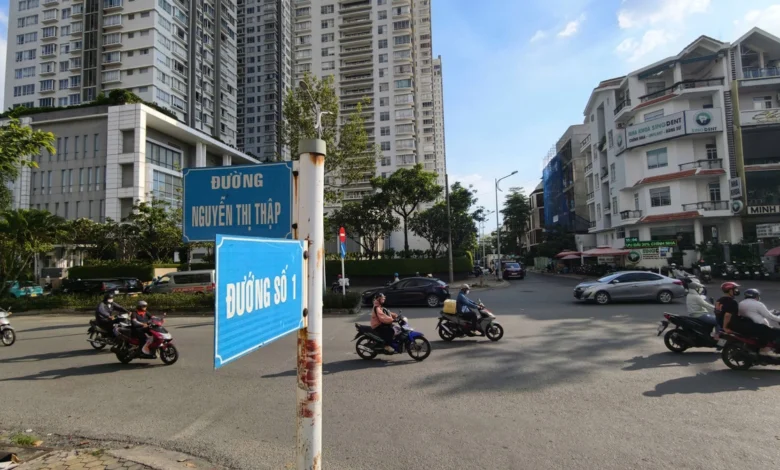
The administrative reorganization of Ho Chi Minh City, while aimed at streamlining local governance and optimizing public resources, has inadvertently created a complex logistical challenge for thousands of residents and logistics workers. Following the merger of several administrative units, a phenomenon of "duplicate street names" has emerged, leading to widespread confusion, delivery delays, and significant navigation hurdles for both ride-hailing drivers and residents.
The Daily Struggle of Urban Navigation
For professionals like Mr. Thanh, a 66-year-old delivery worker, the city’s map has become a maze. On November 5, 2026, he was tasked with delivering construction materials to a specific address on "Street No. 1" in Tan Hung Ward, District 7. Upon entering the destination into Google Maps, he was met with a confusing array of options: the application displayed three different "Street No. 1" locations within the same administrative ward.
Lacking clarity, Mr. Thanh relied on the initial guidance provided by the application, which directed him to the Him Lam residential area. After 20 minutes of traversing the area, he was contacted by the recipient, who informed him that he was at the wrong location. The customer redirected him to a different "Street No. 1" near the Nguyen Huu Tho intersection. However, even upon reaching that vicinity, the address remained elusive. It was only after a third attempt, covering a significantly larger area than the initial 5-kilometer estimate, that Mr. Thanh finally located the correct residence on a third "Street No. 1," situated parallel to Nguyen Huu Tho and nearly 1.5 kilometers away from his previous attempt.
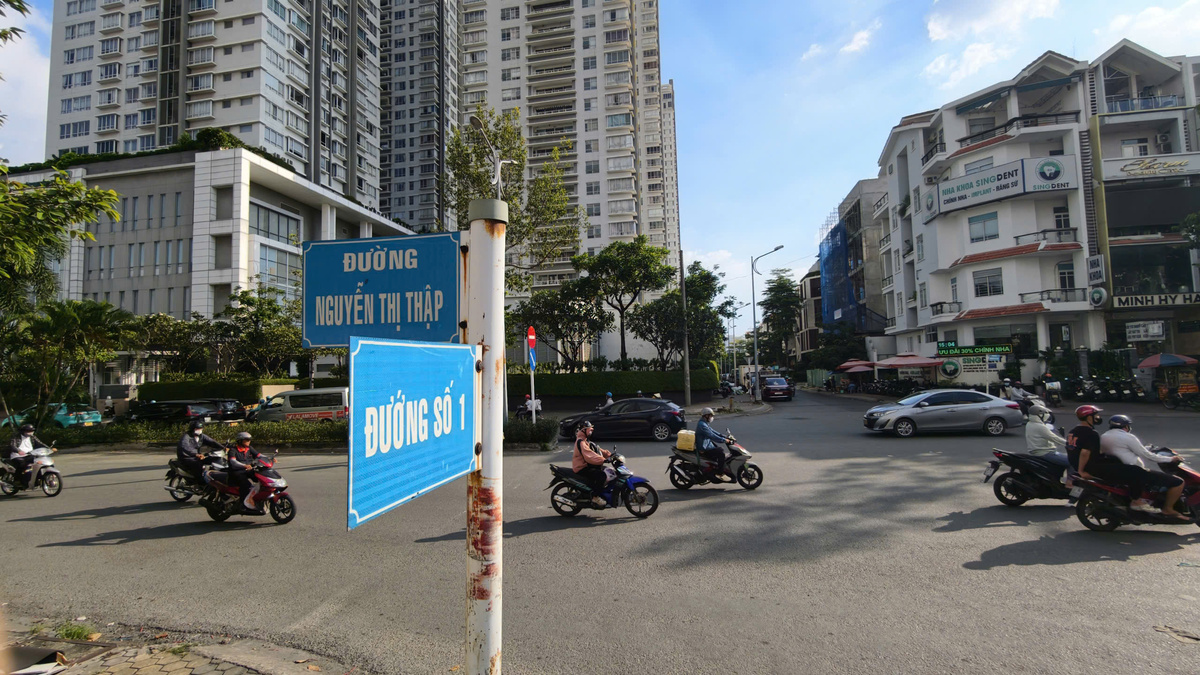
"A delivery that should have been a simple 5-kilometer trip turned into an hour-long ordeal under the scorching sun," Mr. Thanh recounted. "It is exhausting and highly inefficient to chase ghosts on a map that no longer reflects the reality of the streets."
The Root Cause: Administrative Consolidation
The core of the issue lies in the recent administrative restructuring, where several former wards—Tan Hung, Tan Phong, Tan Quy, and Tan Kieng—were consolidated into a new, larger administrative unit. Before the merger, these individual wards each operated under their own independent street-numbering systems. Consequently, when the areas were unified under a single administrative umbrella, the new ward inherited multiple "Street No. 1s," "Street No. 2s," and so on.
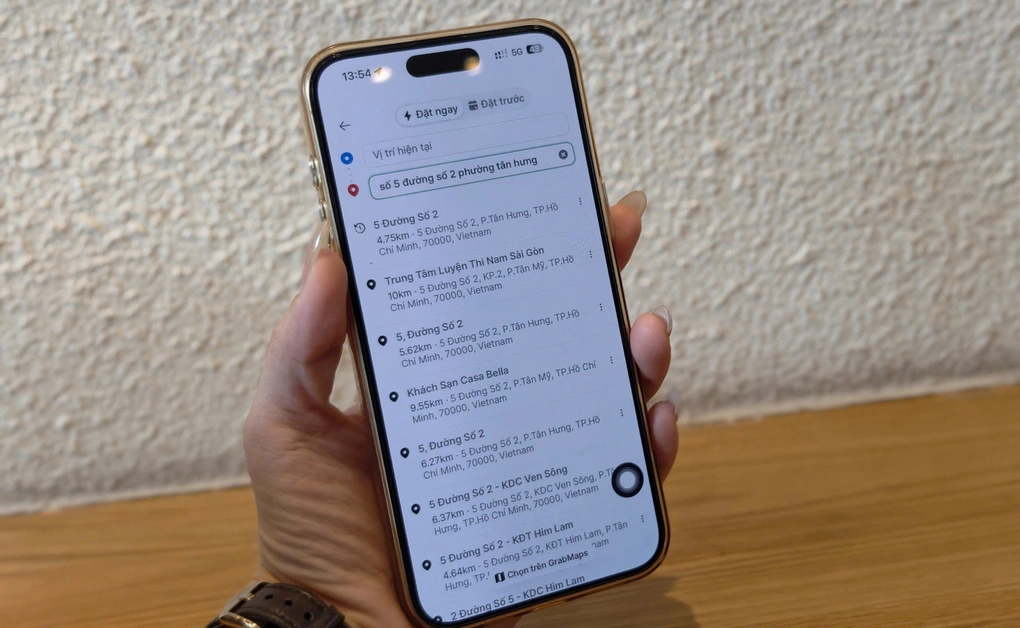
This is not an isolated incident. Ms. Phuong Trang, a 32-year-old resident, reported a similar experience when booking a ride-hailing service from Xuan Hoa Street in District 3 to "No. 5, Street No. 2, Tan Hung Ward." Her ride-hailing application displayed three different destination points with the exact same address, separated by nearly 2 kilometers. Despite her best efforts to select the most logical location, she arrived at the wrong destination, forcing her to pay for a secondary trip and wasting valuable time.
Statistical Scale of the Problem
According to data provided by the Ho Chi Minh City Department of Culture and Sports, the scale of this duplication is significant. Following the city-wide administrative reorganization, there are currently 782 street segments that share identical names. Of these, 747 streets are affected by duplication across 22 different wards and communes throughout the city.
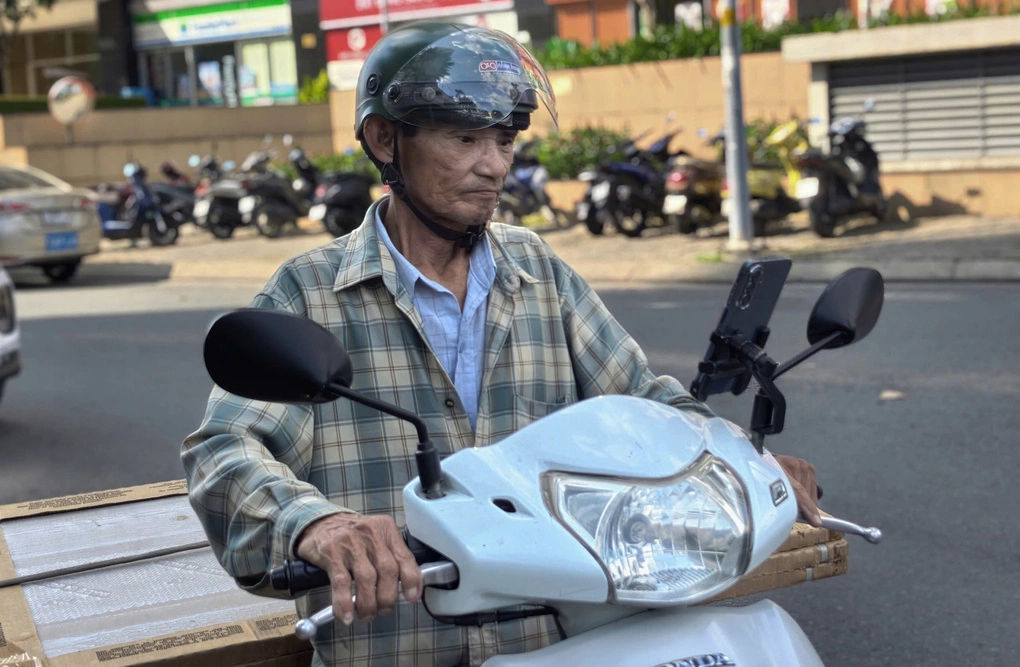
The situation is particularly acute in areas like Hiep Binh Ward in Thu Duc City, which was formed by merging parts of Hiep Binh Chanh, Hiep Binh Phuoc, and Linh Dong. Before the merger, Hiep Binh Chanh had a sequence of streets numbered 1 through 51 along the Pham Van Dong boulevard, while Hiep Binh Phuoc and Linh Dong had their own independent numbering systems. When these were combined, the resulting geographic map became a patchwork of redundant names that modern GPS technologies struggle to differentiate without additional, often manual, verification.
Economic and Logistical Implications
The implications of this confusion extend beyond simple inconvenience. For the burgeoning logistics and delivery sector in Ho Chi Minh City, time is a commodity. Drivers are reporting increased fuel consumption, higher stress levels, and lower overall efficiency as they are forced to engage in "reconnaissance" before or during a delivery.
Professional drivers, such as Mr. Nguyen Thanh, a 45-year-old ride-hailing driver operating in the Thu Duc City area, have developed informal workarounds to mitigate these issues. "When a passenger books a trip to an address on a numbered street, I have to call them immediately to ask for landmarks—hospitals, supermarkets, or major intersections—to confirm the location," he explained. "Just looking at the street number and name is often useless because the system doesn’t know where the passenger actually wants to go."
This creates a friction point between service providers and customers. Many passengers, unaware of the structural mapping error, assume the driver is incompetent or intentionally taking a longer route, leading to complaints and lower ratings for the drivers.
Official Responses and Future Mitigation
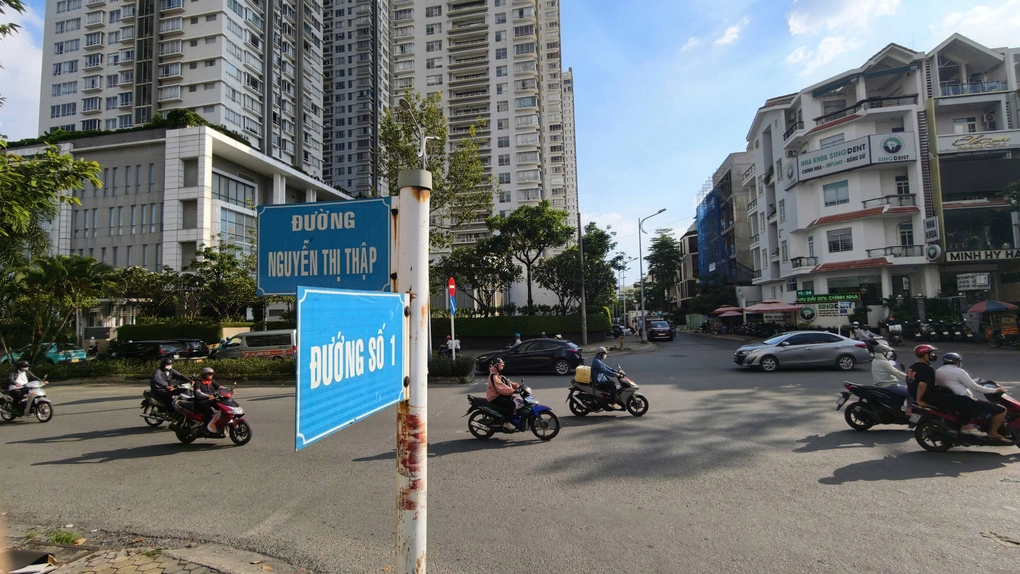
Recognizing the growing public frustration, local authorities have begun to acknowledge the urgency of the matter. Mr. Nguyen Ngoc Tri, Chairman of the People’s Committee of Tan Hung Ward, confirmed that the ward is currently auditing its street network. "We are working to submit a proposal to the city for a comprehensive renaming plan to be implemented by the end of the year," Tri stated. The proposed solution involves prioritizing the renaming of major arteries and thoroughfares using the city’s official bank of names, which honors historical figures, cultural events, and significant landmarks.
The issue was formally addressed during a session of the Ho Chi Minh City People’s Council on October 29. The Board of Culture and Social Affairs has formally recommended that the city mandate the renaming of all streets that share identical names within the same administrative unit.
Currently, the city’s database of street names and public works contains 1,375 names, of which 755 are currently unused. This "bank" of names serves as the primary resource for the upcoming renaming initiative. The criteria for these new names will be rooted in historical significance, local geography, and cultural heritage, ensuring that the new names provide both clarity and civic pride.
Looking Ahead
The challenge for the Ho Chi Minh City government is to execute this transition without imposing excessive administrative burdens on the residents. The People’s Committee has explicitly stated that any renaming must prioritize convenience, ensuring that residents do not face unnecessary hurdles when updating their personal documents, residency registrations, or business licenses.
As the city grows, the importance of a clear and logical address system cannot be overstated. For a metropolis striving to become a regional hub of technology and commerce, the ability for people and goods to move efficiently is paramount. While the current confusion over "Street No. 1" is a symptom of growing pains, the upcoming administrative overhaul represents a necessary step toward digitizing and simplifying the urban experience for all citizens. For now, however, residents and delivery drivers alike must remain patient, relying on manual verification and local knowledge to navigate a city that is currently in the midst of a major identity realignment.
Related posts: