The ongoing conflict in Ukraine has entered a sophisticated phase of technological attrition, where the efficacy of low-cost, high-speed loitering munitions—specifically Russia’s jet-powered UAVs—has forced Kyiv to rethink its air defense strategies. Recent reports have highlighted a critical vulnerability: the reliance on SpaceX’s Starlink and Starshield satellite networks for the guidance and coordination of interceptor drones. When these services face restrictions, the operational capacity of Ukraine’s counter-drone units diminishes significantly, leading to a measurable decline in interception rates.
The Technological Bottleneck and Strategic Implications
For months, Ukrainian forces have relied on a specialized fleet of "interceptor drones"—unmanned aerial vehicles designed to hunt and neutralize incoming Russian threats. These interceptors are particularly vital for countering the Geran series of jet-powered UAVs, which possess high cruise speeds and maneuverability. According to reports cited by CNN on November 5, the U.S. Senate Foreign Relations Committee has initiated an inquiry into these service limitations, requesting documentation from SpaceX and the Trump administration regarding the circumstances under which Starlink and Starshield access in Ukraine has been throttled or restricted.
The technical constraints are stark: mid-October reports indicated that Starlink-enabled systems experienced operational failures when moving at speeds exceeding 160 km/h. This creates a "dead zone" for command and control, rendering the interceptor drones ineffective against targets moving at hundreds of kilometers per hour. President Volodymyr Zelensky has publicly addressed these challenges, describing the speed limitations as "highly difficult and dangerous" for the nation’s air defense posture.
Chronology of Evolving Air Defense Tactics
The evolution of the air war over Ukraine has moved through several distinct phases. Initially, the conflict was defined by slow-moving, propeller-driven drones such as the Shahed-136 (Geran-2). During this period, Ukraine achieved interception rates as high as 90%, largely due to the affordability and wide deployment of ground-based anti-aircraft systems and inexpensive interceptor drones.
However, the introduction of jet-powered UAVs, including variants of the Geran-4 and Geran-5, changed the calculus. These newer systems can reach speeds of 600 km/h, far outpacing the standard defensive measures previously used.
- Early 2024: Ukraine successfully utilized standard interceptor drones and traditional air defense to maintain a high interception success rate.
- Mid-2024: Russia began deploying faster, jet-propelled drones, forcing Ukraine to pivot toward using fighter jets like the F-16, MiG-29, and Mirage 2000 to supplement ground-based defenses.
- October 2024: Analysis from the Institute for the Study of War (ISW) revealed that between October 14 and 24, the interception rate dropped to 74%—a 3% decline from the previous monthly average, which the ISW attributed directly to the restrictive operational environment for satellite-linked defensive drones.
- Late October/Early November 2024: Reports indicate a potential easing of these restrictions, with the Ukrainian Ministry of Defense noting that connectivity stabilized for drones operating at speeds exceeding 400 km/h, allowing for a modest recovery in interceptor performance.
The Role of Fixed-Wing Interceptors
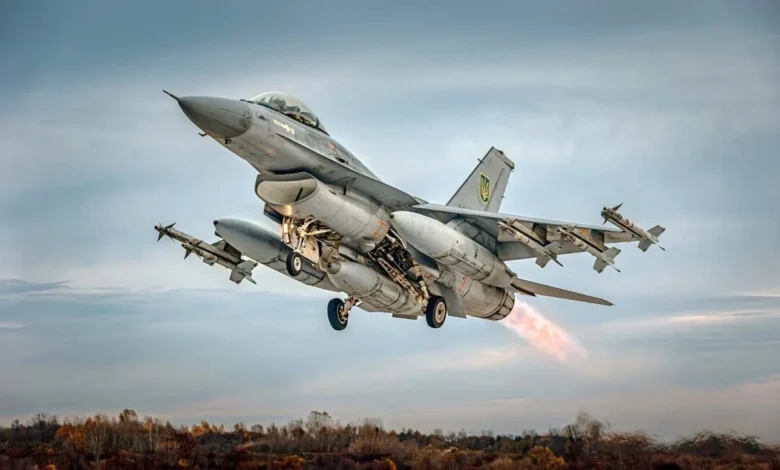
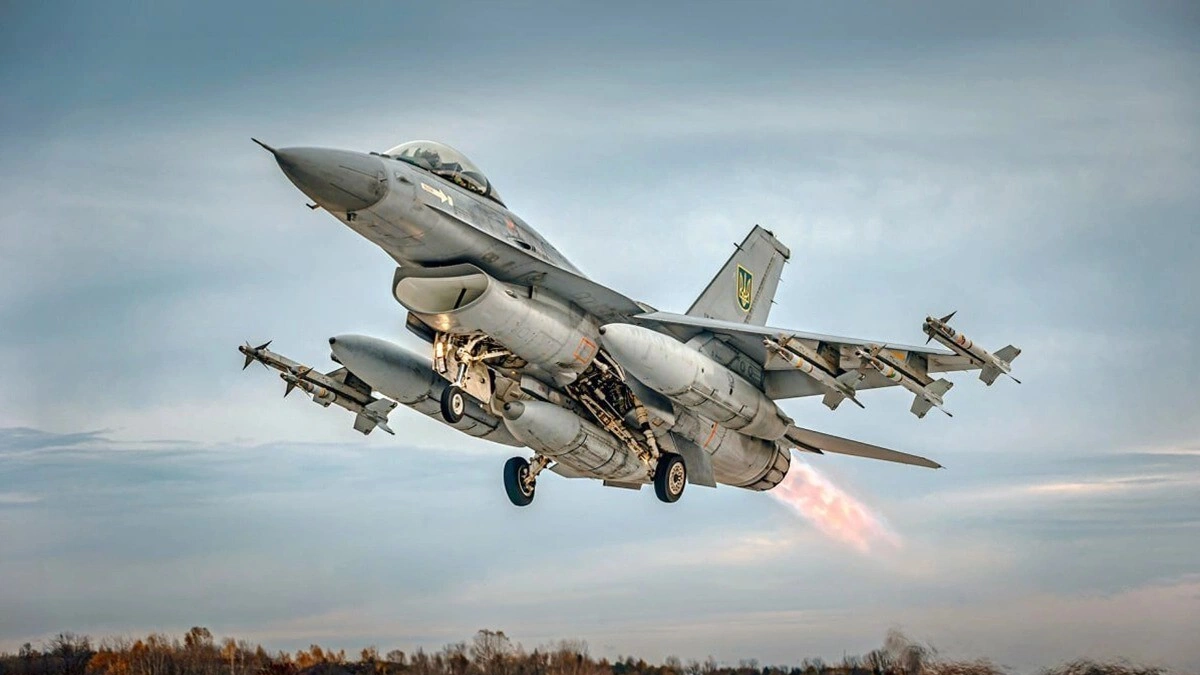
With the limitations of small, satellite-dependent drones, the Ukrainian Air Force has been forced to rely on conventional fighter aircraft to bridge the capability gap. Yuri Ignat, spokesperson for the Ukrainian Air Force, stated in late October that the "combat experience" of using fighter jets to shoot down UAVs is still in a trial-and-error phase.
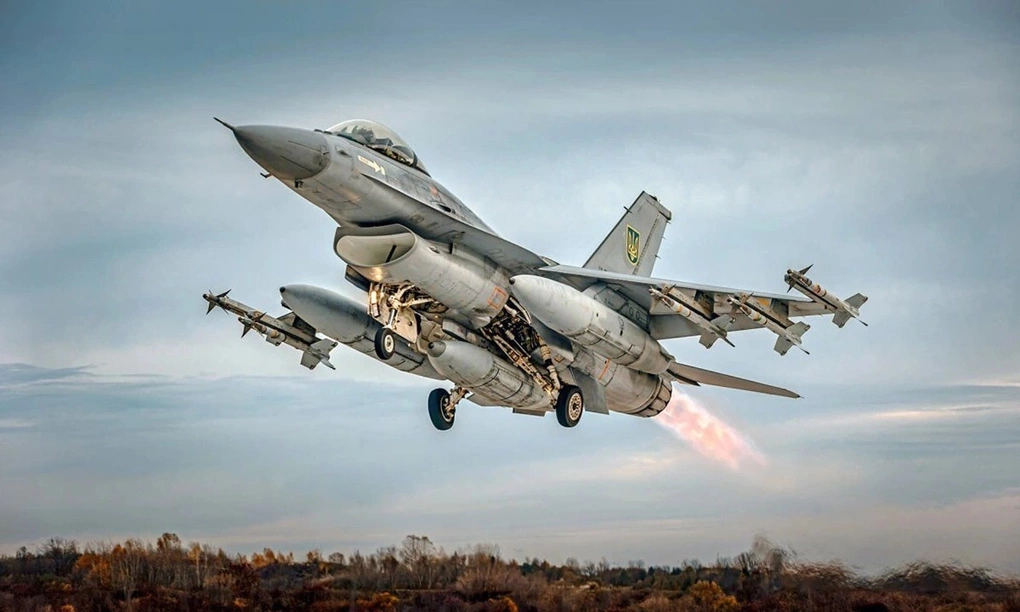
The F-16, in particular, has become a cornerstone of this effort. In April, officials suggested that a single F-16 sortie could potentially neutralize up to 10 UAVs in a single night. While effective, this strategy is fraught with risk. Using high-value fighter aircraft to hunt low-cost drones is an expensive and resource-intensive solution. Furthermore, the risk of damage to the aircraft—either from debris caused by an exploding drone or from being targeted by ground-based air defenses while maneuvering—is substantial. Military analysts have warned that this approach places undue strain on maintenance crews and pilots, diverting the Air Force from other critical combat missions.
The Proliferation of High-Speed Threats
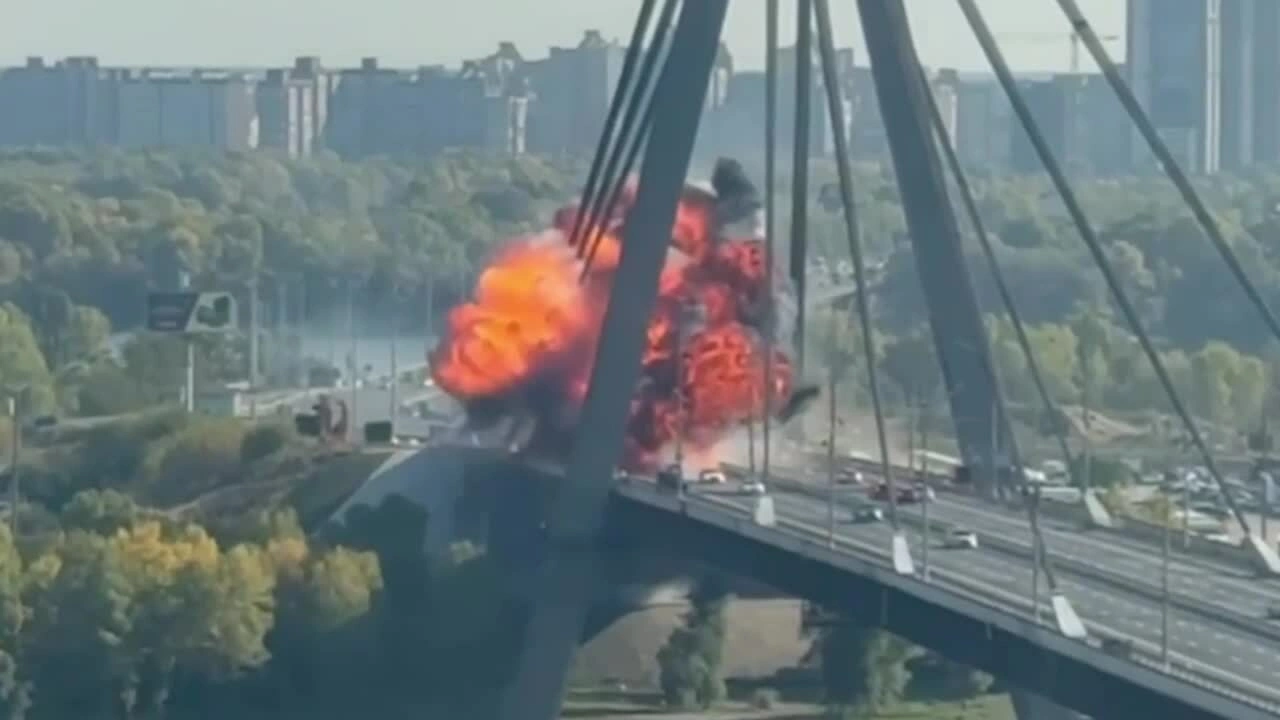
The threat environment is becoming increasingly complex. Ukraine is now confronting a new generation of Russian cruise missiles and high-speed drones, such as the "Filin," which reportedly reaches speeds of up to 800 km/h. Furthermore, the Geran-5 K5-K variant, capable of reaching 900 km/h, has begun to appear on the battlefield. These systems are approaching the performance metrics of dedicated cruise missiles like the Kh-101.
While the Russian Ministry of Defense has remained largely silent on the specific performance analysis provided by the ISW, Russian media outlet Izvestia has claimed that the Geran-5 remains a "significant challenge" for Ukrainian air defenses, asserting that Kyiv has yet to find a reliable, cost-effective way to neutralize them.
Data Analysis and Strategic Outlook
The reliance on satellite connectivity for drone warfare represents a single point of failure in modern asymmetric conflict. The ISW has noted that while the current interception rate of 74% is still "relatively high" in the context of the hundreds of UAVs launched by Russia, it is insufficient to guarantee the safety of critical infrastructure.
The economic imbalance of the current conflict is also a major factor. The cost of a single F-16 mission or a high-end interceptor missile is vastly higher than the cost of the drone it targets. By forcing Ukraine to expend these expensive assets, Russia is attempting to deplete Ukraine’s stockpiles of conventional air defense munitions.
Broader Implications for Global Defense
The situation in Ukraine serves as a case study for the integration of civilian satellite infrastructure into military operations. The reliance on companies like SpaceX creates a unique geopolitical dependency, where the operational status of a private company’s network directly impacts the sovereignty and security of a nation at war.
As the war progresses, the "cat-and-mouse" game between drone manufacturers and air defense developers will likely accelerate. Ukraine’s ability to sustain its defense will depend not only on the availability of satellite services but also on its capacity to develop indigenous, autonomous, and hardened air defense systems that do not rely on external, vulnerable data links.
The political inquiry currently underway in the United States underscores the severity of this issue. For the international community, the conflict highlights the need for robust, redundant, and sovereign communication networks in modern warfare. Until such systems are fully realized, the Ukrainian military must continue to balance the tactical necessity of using high-speed, satellite-dependent interceptors against the risks of resource exhaustion and the ever-increasing speed of incoming threats.
The coming months will likely see further adjustments in Ukraine’s defensive architecture, potentially shifting toward localized AI-integrated target acquisition systems that reduce the need for constant, high-speed satellite handshake protocols. Whether these adaptations will be enough to counter the rapidly evolving Russian drone arsenal remains the most pressing question for military planners in Kyiv.