Understanding Kidney Stones: Silent Symptoms, Major Risks, and Preventative Healthcare Strategies

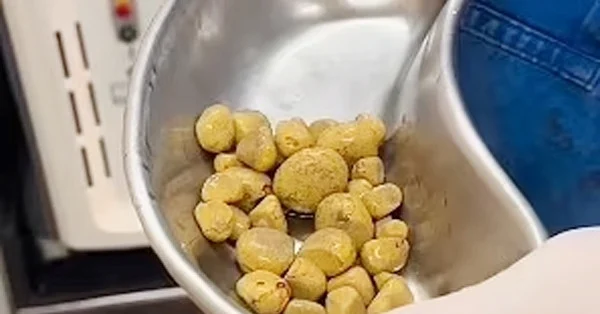
Kidney stones, medically known as nephrolithiasis, represent one of the most common and potentially debilitating conditions affecting the human urinary tract. These hard mineral and acid salt deposits frequently develop silently inside the kidneys, often remaining undetected for years while growing unnoticed. However, when these crystalline formations shift or cause obstruction within the urinary tract, patients can experience excruciating pain, hematuria, and severe clinical complications. According to recent clinical insights shared by leading medical experts, early recognition of warning signs and proactive renal care play a vital role in preventing long-term kidney damage.
The Clinical Nature and Pathophysiology of Kidney Stones
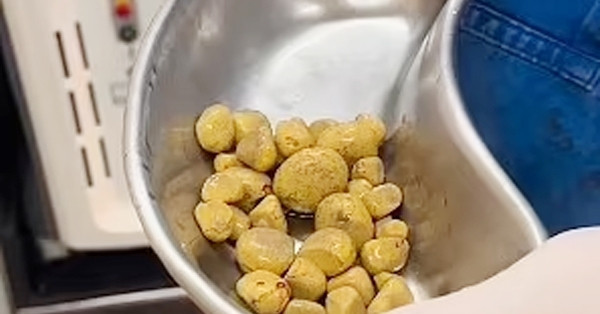
Kidney stones form when minerals and acid salts present in the urine crystallize, accumulate, and bind together inside the renal pelvis or calyces. These stones can range in size from microscopic particles resembling grains of sand to large, obstructive structures that occupy the entire renal collecting system. The composition of these stones varies, with calcium oxalate and calcium phosphate being the most frequent types, followed by struvite, uric acid, and cystine stones.
For a significant duration, small stones may reside within the renal parenchyma without causing any clinical manifestations. Patients often live unaware of their condition until a stone dislodges and enters the ureter. The narrow muscular tubes connecting the kidneys to the bladder are highly sensitive to obstruction. When a stone blocks the normal flow of urine, increased pressure within the renal collecting system triggers severe physiological distress, characterized by sudden, intense flank pain and microscopic or gross bleeding.
Common Warning Signs and Symptoms
Although kidney stones can develop asymptomatically, certain clinical indicators signal their presence and movement within the urinary tract. Medical professionals emphasize that recognizing these symptoms early can prevent emergency medical interventions.
Flank and Lower Back Pain
Renal colic, commonly described as one of the most severe forms of pain known to human experience, typically manifests as a sudden, sharp, and cramping sensation in the back or side, just below the ribs. This pain frequently radiates toward the lower abdomen, groin, or external genitalia as the stone travels down the ureter. The intensity of the pain often fluctuates in waves, making it difficult for patients to find a comfortable resting position and frequently triggering nausea and vomiting.
Hematuria (Blood in the Urine)
As jagged mineral formations travel through the delicate mucosal lining of the ureters and bladder, they cause microscopic or macroscopic trauma. This internal abrasion leads to hematuria, causing the urine to appear pink, red, or brownish. While some patients observe visible blood, others discover hematuria only through routine urinalysis or microscopic examination during medical checkups.
Urinary Irritation and Dysuria
When a stone approaches the lower section of the urinary tract or enters the bladder, patients frequently experience urinary urgency, frequency, dysuria (painful or burning urination), and a persistent sensation of incomplete bladder emptying. These symptoms frequently mimic lower urinary tract infections, complicating initial self-diagnosis.
Cloudy or Foul-Smelling Urine
Changes in urine appearance, such as cloudiness or a strong, unpleasant odor, often indicate an accompanying urinary tract infection (UTI). Because obstructions caused by stones impede normal urine flow, bacteria can multiply more easily within the stagnant fluid, elevating the risk of pyelonephritis, systemic fever, and chills.
Expert Medical Consultations and Patient Case Studies
In typical clinical scenarios, patients seek medical advice after experiencing intermittent or vague lumbar discomfort. For instance, a patient presenting with persistent mild aching in the lumbar region, occasionally accompanied by dysuria but lacking clear-cut acute symptoms, often raises diagnostic suspicion for early-stage nephrolithiasis.

Assoc. Prof. Dr. Nguyen Viet Thanh, Deputy Head of the Examination Department at Hanoi Medical University Hospital, explains that kidney stones are heavily influenced by lifestyle factors, dietary habits, and hydration levels. According to Dr. Thanh, public awareness regarding preventative healthcare remains insufficient, leading many individuals to ignore early, vague warning signs until a major obstruction occurs.
Clinical data from major metropolitan hospitals across Southeast Asia indicate that kidney stone diagnoses have steadily risen over the past decade. Epidemiological studies suggest that approximately 10% to 15% of the global population will experience a kidney stone at least once in their lifetime, with recurrence rates exceeding 50% within ten years if preventive measures are not strictly maintained. Men are statistically more susceptible to developing kidney stones than women, though the gender gap has narrowed in recent years due to shifting dietary patterns and occupational environments.
Red Flag Symptoms Requiring Immediate Medical Intervention
While minor stones may pass spontaneously with increased fluid intake and conservative pain management, certain "red flag" symptoms necessitate urgent evaluation by a urologist or emergency physician:
- Severe flank pain accompanied by high fever, persistent chills, or rigors, which strongly suggests an infected obstructed kidney—a life-threatening medical emergency.
- Uncontrollable nausea and vomiting that prevent oral rehydration and lead to rapid physical exhaustion or electrolyte imbalance.
- Oliguria (scanty urine output) or anuria (complete absence of urine production), indicating bilateral obstruction or blockage in a solitary functioning kidney.
- Intractable pain that does not respond to prescribed analgesics, pointing toward a large or completely obstructing stone.
- Any stone-related symptoms occurring in patients with pre-existing chronic kidney disease, a solitary kidney, or compromised renal function.
Failing to address these warning signs can result in severe complications, including permanent renal scarring, hydronephrosis, chronic kidney disease (CKD), and end-stage renal disease (ESRD) requiring dialysis or kidney transplantation.
Broader Health Implications and Systemic Risks
The impact of kidney stones extends beyond acute localized pain. Emerging nephrological research highlights a strong correlation between recurrent nephrolithiasis and an increased long-term risk of cardiovascular disease, metabolic syndrome, and chronic renal impairment. Chronic subclinical inflammation, recurrent urinary infections, and persistent tubular damage contribute to the progressive decline of the glomerular filtration rate (GFR).

Furthermore, the economic burden of managing urolithiasis is substantial. Healthcare systems worldwide allocate significant resources toward diagnostic imaging (such as non-contrast computed tomography scans and renal ultrasound), extracorporeal shock wave lithotripsy (ESWL), ureteroscopy, and percutaneous nephrolithotomy (PCNL). Preventing initial stone formation and recurrence through cost-effective lifestyle modifications is therefore a primary objective for public health initiatives globally.
Comprehensive Prevention and Management Strategies
Mitigating the risk of kidney stone formation requires a multifaceted approach focused on dietary adjustments, adequate hydration, regular physical activity, and medical management of underlying metabolic conditions.
Optimal Hydration
Maintaining a high daily fluid intake is the cornerstone of kidney stone prevention. Medical guidelines generally recommend consuming enough fluids to achieve a urine output of at least 2 to 2.5 liters per day. Water remains the optimal beverage, as it dilutes the concentration of stone-forming minerals and facilitates their clearance through the urinary tract before crystallization can occur. Citrate-rich beverages, such as freshly squeezed lemon water, can also help inhibit crystal aggregation by binding to calcium in the urine.
Dietary Modifications
Dietary management must be tailored to the specific chemical composition of the stones, as determined by stone analysis or 24-hour urine collection studies. For the most common calcium oxalate stones, healthcare providers generally recommend moderating dietary sodium intake, as excess sodium promotes calcium excretion in the urine. While adequate dietary calcium is necessary to bind oxalates in the gut and prevent their absorption, excessive supplementation should be avoided. Patients with recurrent uric acid stones benefit from limiting purine-rich foods, such as red meat, organ meats, and certain seafood, while increasing their consumption of alkalizing plant-based foods.
Regular Medical Monitoring and Follow-Up
Routine health screenings, including annual renal ultrasound examinations and basic blood chemistry panels, enable early detection of asymptomatic micro-stones or declining renal function. Individuals with a personal or family history of urolithiasis should maintain close coordination with their primary care physicians and urologists to monitor risk factors and manage metabolic imbalances, such as hypercalciuria, hyperuricosuria, or hypocitraturia.

By combining proactive hydration, sensible dietary habits, and timely medical consultations, individuals can significantly reduce their susceptibility to kidney stones, safeguarding their renal health and overall physical well-being for the long term.