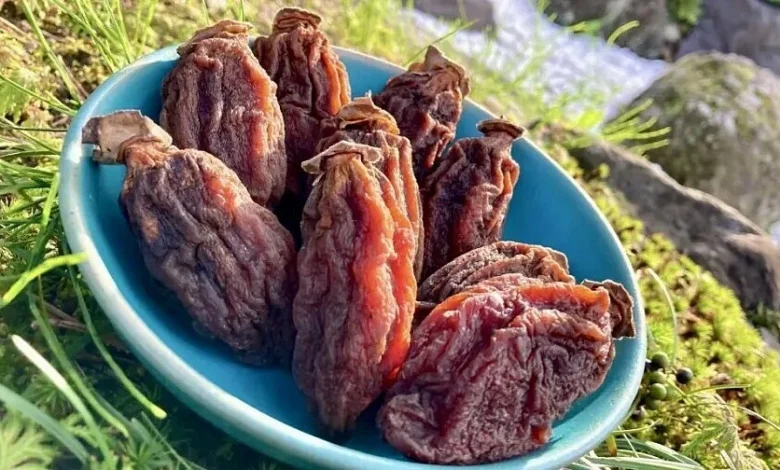
A 74-year-old patient in Japan recently underwent a harrowing medical ordeal that culminated in two emergency surgeries, highlighting the severe and often overlooked risks associated with the consumption of persimmons, particularly when eaten in excess. The case, which was detailed in the October edition of the international medical journal Surgical Case Reports, serves as a cautionary tale for those who enjoy this seasonal fruit, especially the elderly or those with compromised digestive functions.
The Chronology of a Medical Emergency
The patient’s ordeal began in January 2023, when she presented to the emergency department at Ako City Hospital with severe lower abdominal pain and persistent vomiting. Initial diagnostic imaging via CT scan revealed a significant obstruction in the small intestine. The clinical presentation suggested a mechanical ileus, a condition where the normal flow of intestinal contents is blocked, potentially cutting off blood supply to the affected tissue.
Upon emergency surgical intervention, medical teams discovered a foreign object lodged approximately 30 centimeters from the terminal end of the small intestine. The object was described as having a dark brown, leathery outer layer with an orange, putty-like interior. Surgeons performed a resection to remove the damaged section of the intestine. However, the exact nature of the obstruction remained unclear at that stage, as the patient did not initially disclose her recent dietary history.
Eight days after the successful initial surgery, the patient began to exhibit signs of intestinal obstruction once again. A retrospective review of her earlier CT scans revealed a second, smaller mass in the stomach, indicating that another "bezoar"—a solid mass of indigestible material—had moved from the stomach into the intestine, causing a secondary blockage.
Medical staff attempted a conservative approach, utilizing a nasogastric tube to irrigate the stomach with Coca-Cola, a method occasionally used in clinical settings to dissolve certain types of gastric bezoars due to the carbonated drink’s acidity. Unfortunately, this treatment proved ineffective over a six-day period. The patient’s condition deteriorated, marked by high fevers and rising inflammatory markers. Thirty-one days after her initial surgery, surgeons were forced to operate a second time. They discovered that the small intestine had been severely damaged, with surrounding tissues showing signs of necrosis. Following this second procedure, the patient was finally diagnosed with a diospyrobezoar—a specific type of bezoar caused by the tannins found in persimmons.
Uncovering the Cause: The Persimmon Connection
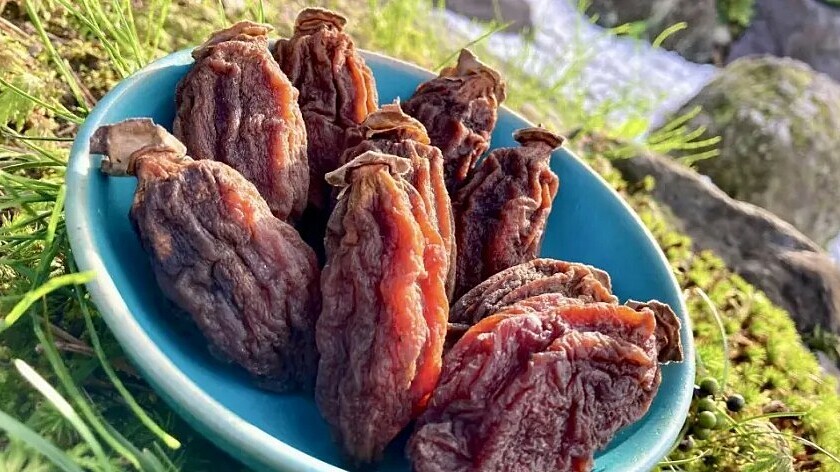
It was only after the second surgery that the medical team was able to identify the root cause of the patient’s condition. When asked about her recent diet, the patient initially denied eating persimmons. It was later revealed that she had been consuming three to four dried persimmons daily for approximately three weeks, totaling roughly 16 fruits.
The patient had been under the impression that "dried persimmons" and "fresh persimmons" were distinct categories, leading her to believe that her intake of the dried variety did not count toward potential dietary risks. This misunderstanding delayed the accurate clinical history that could have potentially altered the treatment strategy earlier in the process.
Medical Analysis: Why Persimmons Can Be Dangerous
The medical community classifies this condition as a manifestation of a phytobezoar. Persimmons, particularly the astringent varieties, are rich in tannins—compounds that, when exposed to the acidic environment of the stomach, can polymerize and bind with cellulose, hemicellulose, and proteins in the food bolus. This chemical reaction creates a hardened, stone-like mass that is resistant to natural digestive enzymes.
Medical experts note that the risk is not uniform across the population. Factors that exacerbate the formation of these bezoars include:
- Age-related digestive decline: Older individuals often have reduced gastric motility, which slows the transit time of food through the digestive tract, allowing more time for bezoars to form.
- History of gastric surgery: Patients who have previously undergone procedures such as gastrectomy or gastric bypass may have altered stomach anatomy that prevents the breakdown of fibrous materials.
- Diabetes: Patients with diabetic gastroparesis, a condition that delays stomach emptying, are at a significantly higher risk.
- Poor mastication: Inadequate chewing of fibrous foods increases the workload on the stomach and leaves larger, more complex particles that are harder to digest.
Clinical Implications and Expert Warnings
The case of the 74-year-old patient serves as a critical reminder for physicians to consider dietary history when dealing with cases of unexplained intestinal obstruction in the elderly. The researchers at Ako City Hospital and Nishiwaki Municipal Hospital emphasized that while cola irrigation has been documented in literature as a possible non-invasive treatment, it is not a panacea and should only be attempted under strict medical supervision.
Medical professionals warn against the "self-treatment" trend of using carbonated beverages to clear intestinal blockages at home. Attempting such methods without a confirmed diagnosis can lead to catastrophic delays in necessary surgical care, particularly when the bowel is already compromised or necrotic.
Symptoms that warrant immediate medical attention include:
- Persistent abdominal pain: Especially in the lower abdomen.
- Recurrent vomiting: Particularly if it occurs after eating fibrous fruits or vegetables.
- Changes in bowel habits: Such as the inability to pass gas or stool, which are classic signs of intestinal obstruction.
Broader Public Health Context
This case study, while rare, provides valuable data for gastroenterologists and geriatricians. The study highlights that the danger of phytobezoars is not limited to raw produce but extends to processed or dried fruits where fiber content remains concentrated.
While the patient in this report eventually recovered and showed no signs of recurrence in the three years of follow-up monitoring, her story serves as a stark reminder of the delicate balance of the digestive system. For the general public, especially those within the high-risk categories, the consumption of high-tannin fruits should be moderated.
The publication of this case in Surgical Case Reports serves to educate medical practitioners globally on the importance of detailed dietary history-taking. By recognizing the potential for "hidden" dietary habits to cause life-threatening obstructions, clinicians can move toward earlier diagnosis and less invasive interventions, ultimately improving patient outcomes in similar cases. For now, the takeaway for the public remains clear: when in doubt about persistent abdominal distress, seek professional medical evaluation immediately rather than relying on home remedies.