The United States has officially activated a specialized intelligence and interdiction unit known as the "Iron Guard," marking a significant escalation in Washington’s strategy to sever the supply chains sustaining Iran’s military and economic infrastructure. Announced by U.S. Central Command (CENTCOM) and bolstered by rhetoric from President Donald Trump, the initiative aims to dismantle the intricate web of illicit trade routes that bypass traditional maritime blockades. By focusing on land-based corridors and the Caspian Sea, the Biden administration—now under the transition-heavy oversight of the incoming Trump leadership—is attempting to plug the gaps that have rendered previous "maximum pressure" campaigns incomplete.
The Strategic Shift: Beyond the Hormuz Strait
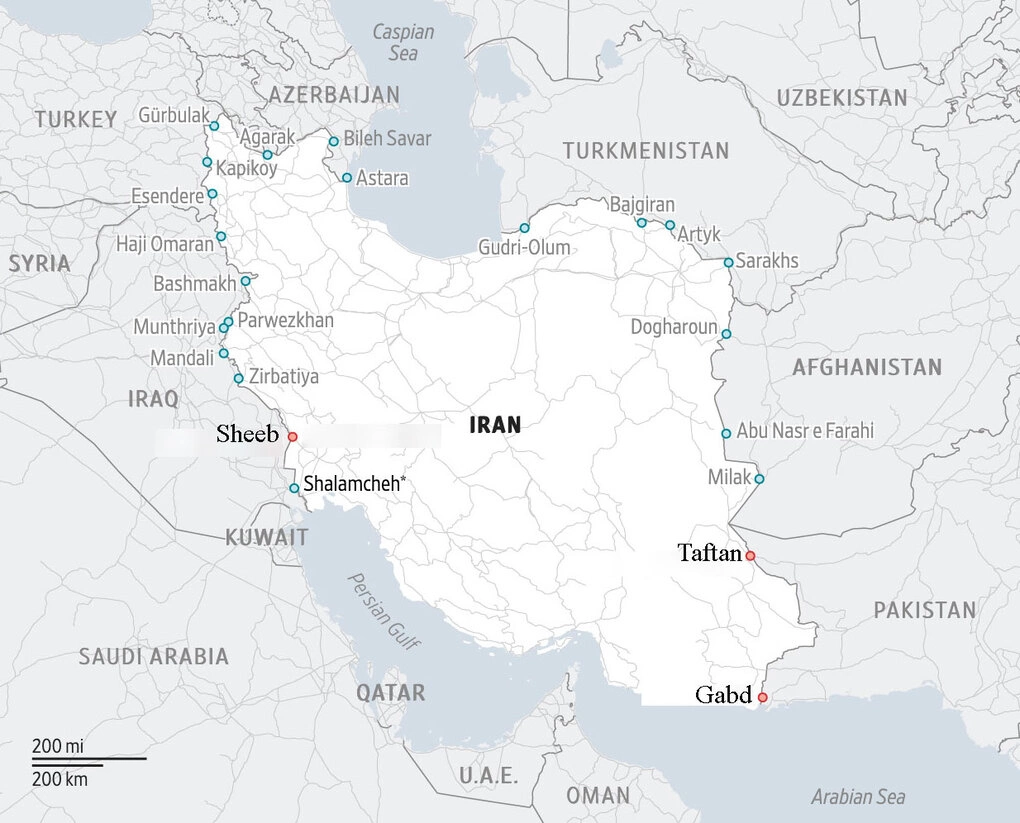
For years, U.S. sanctions policy toward Iran centered heavily on the Persian Gulf and the Strait of Hormuz, the world’s most critical maritime chokepoint. While the U.S. Navy and regional allies have effectively disrupted tanker traffic, Tehran has adapted by pivoting to land-based logistics. The Iron Guard task force is designed to address this evolution. Headquartered in Tampa, Florida, the unit coordinates with various U.S. government agencies to monitor, track, and disrupt the flow of advanced weapons systems, dual-use technologies, and sanctioned materials crossing Iran’s porous land borders with neighbors such as Iraq, Pakistan, and Turkey, as well as transit through the Caspian Sea.
The Caspian Sea, often overlooked in Western security calculations, has emerged as a vital transit corridor for Iranian trade with Russia, Kazakhstan, and Azerbaijan. Unlike the heavily patrolled waters of the Middle East, the Caspian has remained relatively stable, providing a "back door" for the movement of goods that Tehran requires to maintain its defense industry and sustain its regional proxies. The Iron Guard intends to leverage satellite surveillance, unmanned aerial vehicles (UAVs), and signals intelligence to map these routes, moving away from simple patrol tactics toward a sophisticated, data-driven interdiction model.
Chronology of Escalation
The formation of the Iron Guard follows months of intensifying rhetoric and tactical shifts within the U.S. defense establishment.
- Mid-2026: Following a series of intelligence reports highlighting increased cooperation between Tehran and regional non-state actors, U.S. defense officials began internal discussions regarding the limitations of maritime-only sanctions.
- October 2026: U.S. Treasury Secretary Scott Bessent held high-level talks with officials from Pakistan and Turkey, signaling a push to tighten land borders. These discussions underscored the U.S. intent to force a "total blockade" scenario.
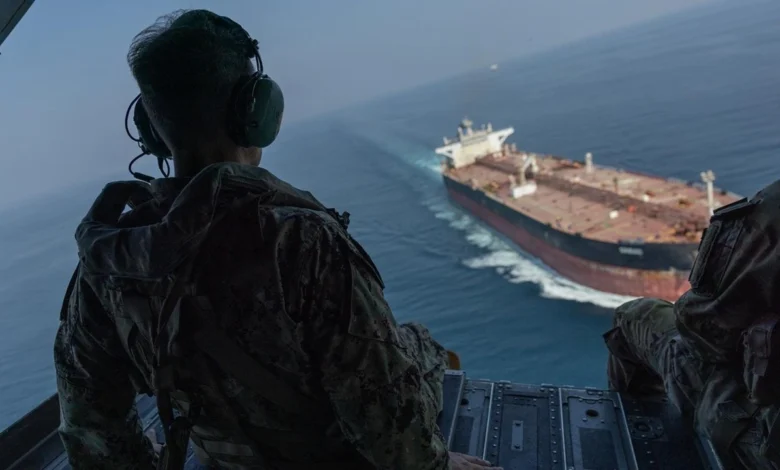
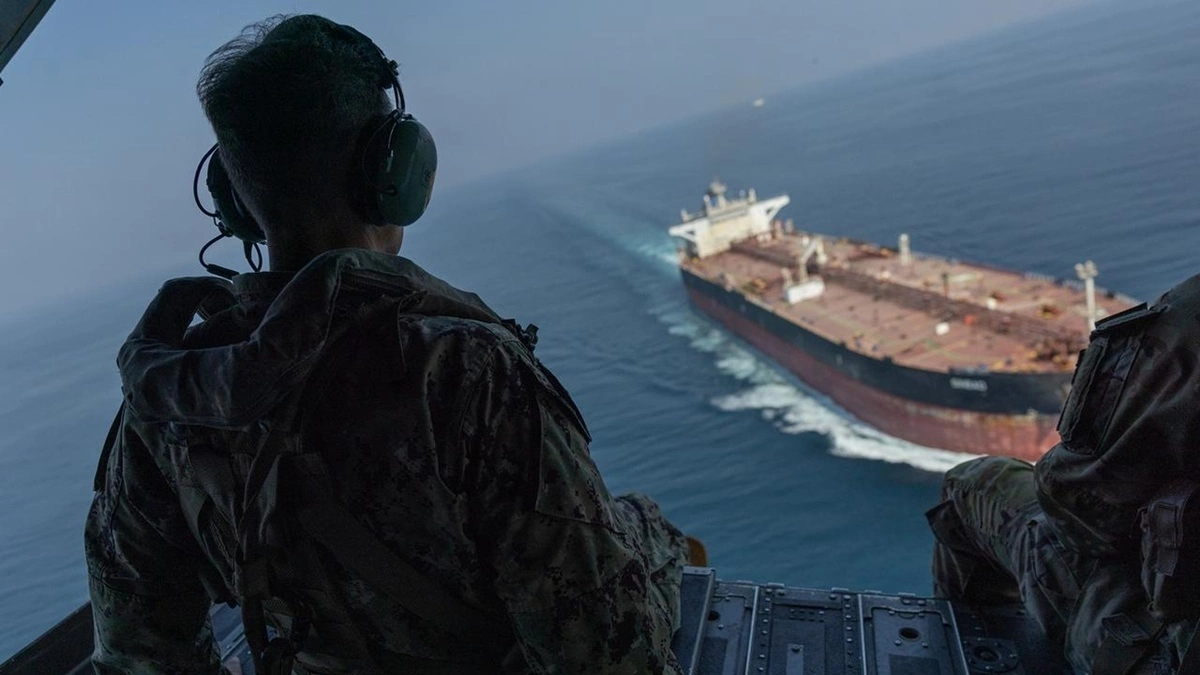
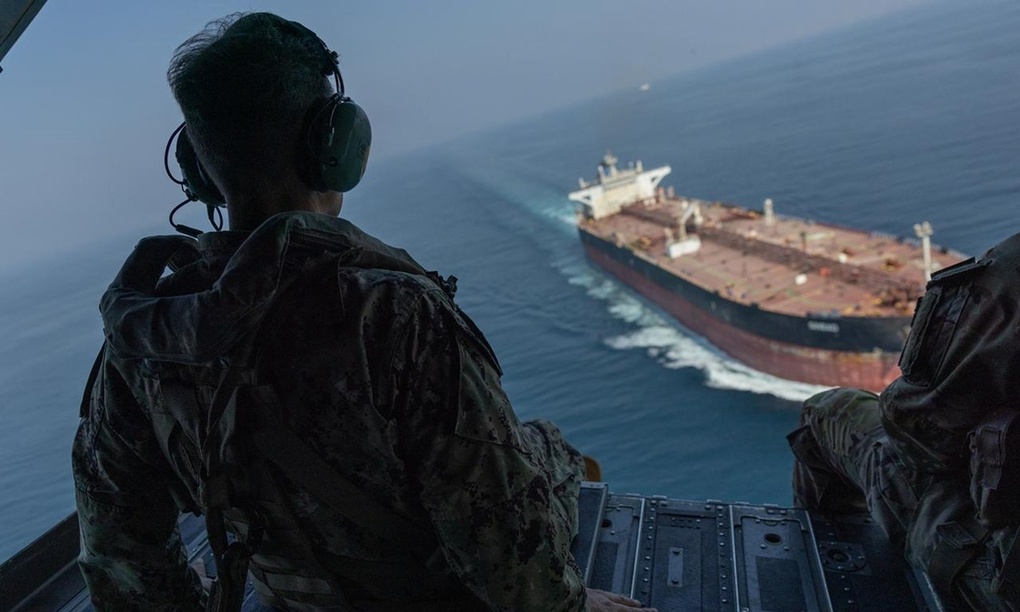
- Late October 2026: CENTCOM commander Brad Cooper conducted aerial observations over the Strait of Hormuz, highlighting the vulnerability of current trade flows.
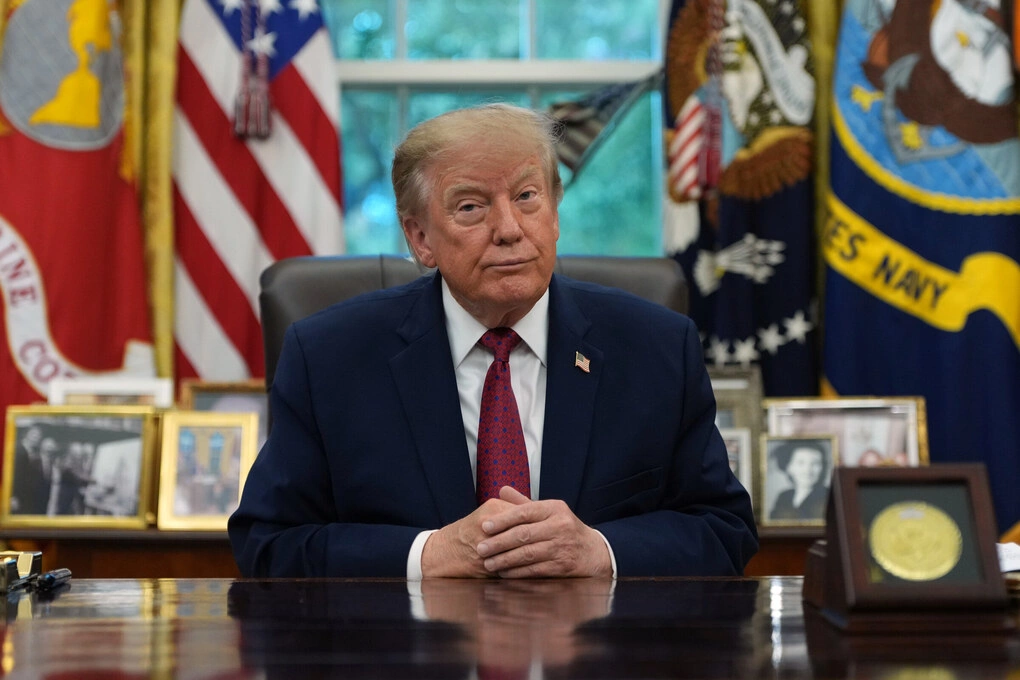
- November 8, 2026: President Donald Trump confirmed via Truth Social that the Iron Guard had officially entered full operational status, emphasizing that "almost nothing can enter or leave Iran."
Intelligence-Led Interdiction: A New Methodology
According to Matthew Savill, director of military sciences at the Royal United Services Institute (RUSI), the Iron Guard operates as a "force multiplier" rather than a frontline infantry unit. The objective is not necessarily to physically block every mile of border, which would be logistically impossible. Instead, the unit focuses on raising the cost of illicit trade to a point of economic instability.
"The unit utilizes a range of methods to execute its mission, from analyzing satellite imagery and using drones to intercepting communication signals and sharing financial data," Savill explains. By identifying the specific logistics networks, the U.S. can coordinate with regional partners to conduct targeted seizures or, if necessary, provide intelligence for surgical strikes on transit hubs.
However, the efficacy of this strategy hinges on the cooperation of neighboring states. Many of these countries are caught in a delicate geopolitical balancing act. Iraq, for instance, has recently taken steps to limit traffic through the Sheeb border crossing, citing concerns over smuggling. Yet, as analysts like Andreas Krieg of King’s College London point out, Iran’s influence in the Iraqi security apparatus is deep-rooted, making total compliance a formidable challenge.
Regional Reactions and Diplomatic Hurdles
The announcement of the Iron Guard has been met with skepticism from regional observers who fear it may draw border nations into the broader U.S.-Iran conflict. Pakistan, currently acting as an unofficial mediator between Washington and Tehran, is unlikely to publicly endorse a program that would transform its border into a frontline for U.S. sanctions enforcement. Similarly, Turkmenistan and Azerbaijan are wary of antagonizing their respective neighbors and Russia, both of which have significant interests in the Caspian trade routes.
Critics, including former U.S. counter-terrorism official Joe Kent, have argued that the move could inadvertently sabotage ongoing diplomatic efforts. "This is not unlike a move that triggers escalation while the administration is simultaneously attempting to negotiate," Kent noted on social media. There is a palpable concern that by aggressively targeting land routes, the U.S. may force Iran to lash out in other theaters, such as increasing pressure on the Bab al-Mandeb Strait through its Houthi proxies or renewing attacks on regional partners like Saudi Arabia.
Analysis: Can the Iron Guard Succeed?
The ultimate success of the Iron Guard remains a matter of intense debate among security experts. If the U.S. cannot secure the active cooperation of border states, the unit’s impact may be limited to "nuisance" operations rather than a comprehensive blockade. Without boots on the ground or host-nation support, the U.S. is essentially relying on a "remote blockade" model.
Furthermore, the economic implications are severe. Iran has spent years insulating its economy against sanctions, and the creation of a dedicated task force to disrupt land trade signals that the conflict has entered a phase of "total economic warfare." If the Iron Guard succeeds in driving up the cost of military procurement for Tehran, it may indeed achieve its goal of degrading Iran’s long-term capabilities. However, if it fails to stop the flow of goods, it risks creating a permanent state of high-intensity regional tension that could spill over into active conflict.
Broader Implications for Global Trade
The activation of the Iron Guard also signals a broader shift in how the United States views its role in global supply chain security. By treating logistics networks as theaters of war, the U.S. is signaling that its sanctions regimes will no longer be limited to international waters or banking systems. This approach could set a precedent for future interventions in other regions where the U.S. seeks to contain adversarial influence.
As the situation develops, the international community will be watching closely to see how the Iron Guard coordinates with local governments. If Washington can secure even partial cooperation from key transit hubs like Iraq and Azerbaijan, the pressure on the Iranian economy will undoubtedly mount. Conversely, if the initiative is perceived as a unilateral imposition, it may alienate key regional players, potentially weakening the very alliances the U.S. needs to maintain stability in the Middle East.
For now, the Iron Guard represents the latest iteration of a decades-long struggle to curb Iranian regional expansion. Whether this data-driven, border-focused strategy will yield the results that previous, more traditional approaches failed to achieve remains the central question of U.S. policy in the region. The coming months will likely see an uptick in interdiction activities, providing the first real-world test of the Iron Guard’s operational viability in one of the world’s most complex and volatile geopolitical environments.