Dak Lak authorities launch urgent search operation as flood-related incidents leave two dead and one missing

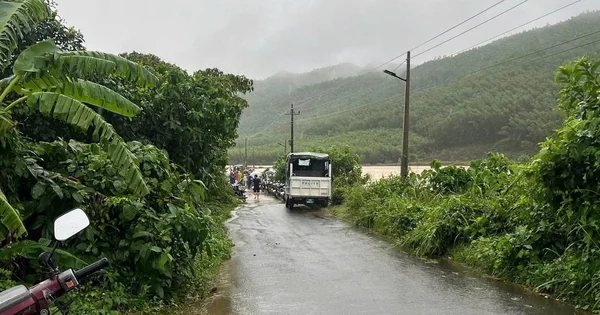
The province of Dak Lak in Vietnam’s Central Highlands is currently grappling with the devastating aftermath of severe weather conditions as local authorities scramble to manage a series of tragic incidents linked to rapidly rising floodwaters. On November 12, 2026, emergency response teams confirmed two separate fatalities and launched an intensive search-and-rescue operation for a third individual, following a day of heavy, persistent rainfall that has inundated several districts across the eastern region of the province.
The regional administration has been placed on high alert as the combination of upstream water releases from hydroelectric facilities and localized heavy precipitation has turned once-navigable rural pathways into dangerous, submerged hazards. As of late Tuesday, the local disaster management steering committee has mobilized all available resources, including police, military personnel, and volunteer rescue squads, to mitigate further loss of life and provide support to affected families.
Chronology of the Tragic Events
The sequence of events unfolded throughout the morning and early afternoon of November 12, as rising water levels in agricultural areas caught residents off guard.
At approximately 00:00, Mr. N.V.T., a 45-year-old resident of Hoa My commune, was traveling through the Muoi Thanh village area. As he attempted to traverse a section of road submerged by overflow from nearby water bodies, he was suddenly swept away by a powerful current. Family members and local neighbors, alerted to his absence, immediately notified the communal People’s Committee. A rapid deployment of "shock force" rescue units, alongside local volunteers, began scouring the area in the dark. Their efforts concluded at 10:50 AM, when recovery teams located Mr. T.’s body in the immediate vicinity of the flood zone.
The tragedy continued to unfold in the Phu Hoa 1 commune. At roughly 12:40 PM, residents in the Cam Thach village made a harrowing discovery in a waterlogged rice field. The body of an 11-year-old girl, identified as N.T.T.L., was found submerged in the field. Local officials confirmed her identity shortly thereafter, adding another layer of grief to a community already struggling with the encroaching floodwaters.
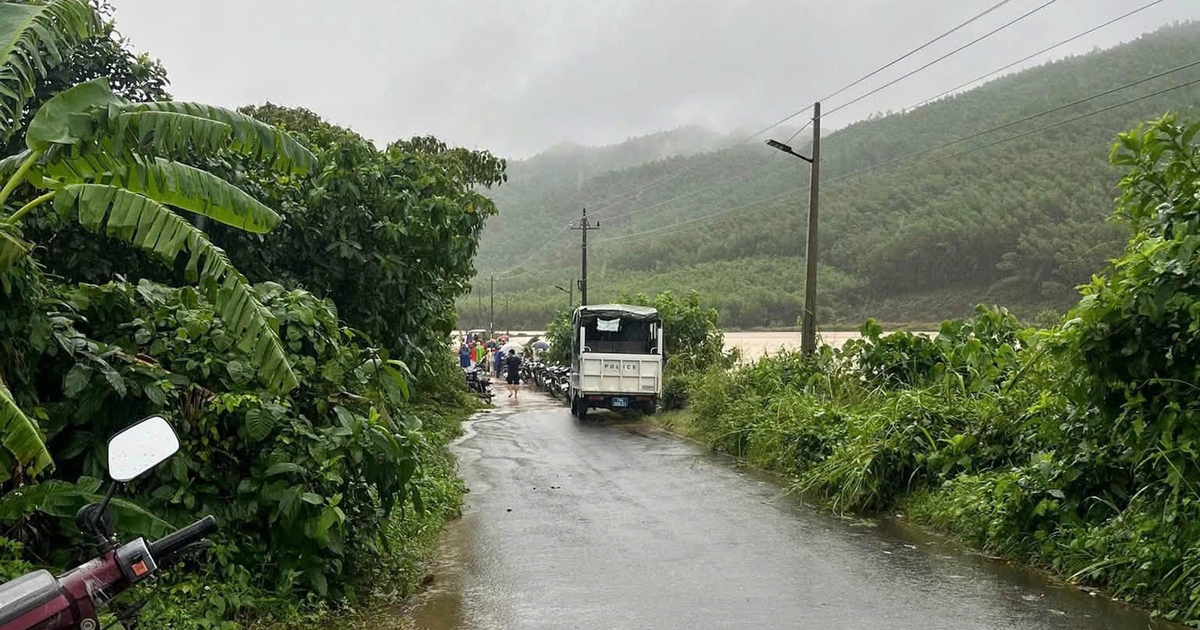
Simultaneously, a third incident was reported in Son Thanh commune. At 7:30 AM, Mr. H.V.X., aged 55, had ventured out with a group of acquaintances to go fishing in the area surrounding the Song Ba hydroelectric plant. Conditions in the area were treacherous, with heavy flows spilling over the banks. By 8:30 AM, his companions lost contact with him. Preliminary reports suggest that Mr. X. likely lost his footing on the slippery, saturated terrain and was swept into the floodwaters. As of the latest update, specialized units from the provincial police and search-and-rescue command are conducting a coordinated search operation, utilizing drones and watercraft to navigate the high-risk zones.
Hydroelectric Infrastructure and Flood Dynamics
The current crisis in Dak Lak is exacerbated by the operational requirements of the region’s hydroelectric infrastructure. The Song Ba hydroelectric plant, in particular, has been forced to discharge large volumes of water to ensure the safety of its dam structures following prolonged, heavy rainfall across the Central Highlands.
According to regional meteorological data, the "flash flood" phenomenon is becoming increasingly common in the eastern districts of Dak Lak during the late monsoon season. When heavy rains coincide with the necessity of spillway operations, water levels in the lower reaches of the river systems can rise by several meters within a matter of hours. This creates a lethal environment for farmers, laborers, and residents who often rely on traditional pathways that become invisible beneath the rising, murky waters.
Environmental analysts suggest that the high density of small-to-medium scale hydropower projects in the Central Highlands, while essential for national energy security, necessitates a more robust early-warning communication system. Current infrastructure often lacks the granular, localized alert mechanisms required to reach farmers in remote village sectors before water releases reach peak velocity.
Official Responses and Emergency Measures
The People’s Committee of Dak Lak has issued an urgent directive mandating that all commune-level authorities prioritize the safety of residents in low-lying, flood-prone zones. The directive includes the immediate suspension of all non-essential travel through submerged road segments and the deployment of local militia to guard high-risk crossing points.
"The loss of life we have witnessed today is heartbreaking and serves as a somber reminder of the power of the natural elements during this season," a provincial representative stated. "Our primary focus remains the recovery of the missing individual in Son Thanh and ensuring that no other residents fall victim to these hazardous conditions."

The government has also begun distributing emergency aid packages to households that have been cut off from the main supply lines due to the flooding. These packages include dry rations, clean water, and basic medical supplies. Furthermore, the agricultural department is working to assess the damage to local crops, which are expected to suffer significant losses as fields remain under water.
Broader Implications and Future Preparedness
The events of November 12 highlight the systemic vulnerabilities facing the Central Highlands. As climate patterns become increasingly erratic, the historical data used to manage dam safety and flood zoning may no longer be sufficient.
The incident involving the 11-year-old victim, in particular, has prompted calls from child safety advocacy groups for stricter enforcement of school closures during severe weather warnings. While local schools often have protocols for extreme weather, the transition times—when students are commuting to or from their homes—remain a period of heightened risk.
Looking forward, the provincial government is expected to review its disaster management framework. This includes:
- Upgrading Alert Systems: Implementing cellular-based emergency broadcast alerts that bypass the need for traditional internet or power grid stability.
- Infrastructure Reinforcement: Constructing elevated pedestrian walkways and more resilient bridges in high-traffic rural areas to prevent the isolation of communities.
- Enhanced Coordination: Improving the real-time communication between dam operators and local village heads to ensure that discharge schedules are disseminated to the public with greater lead time.
As search operations for Mr. H.V.X. continue into the evening of November 12, the mood in Dak Lak remains one of somber vigilance. The authorities have reiterated their plea for the public to exercise extreme caution, noting that the combination of muddy, unstable banks and the swift, deceptive nature of floodwater poses a life-threatening risk even to those who consider themselves familiar with the terrain.
The tragedy serves as a critical junction for the province, forcing a reevaluation of how the region balances industrial development, such as hydroelectric power, with the immediate safety and welfare of its rural population. For now, the people of Dak Lak remain focused on the task at hand: locating the missing, burying the dead, and bracing for the possibility of continued rainfall in the coming days. The provincial disaster prevention committee will remain in a state of high alert, with rescue units stationed at key strategic points throughout the affected districts until the water levels recede to a safe margin.