Hanoi Proposes Relocating Hanoi and Giap Bat Railway Stations to Phu Xuyen to Facilitate National Highway 1 Expansion

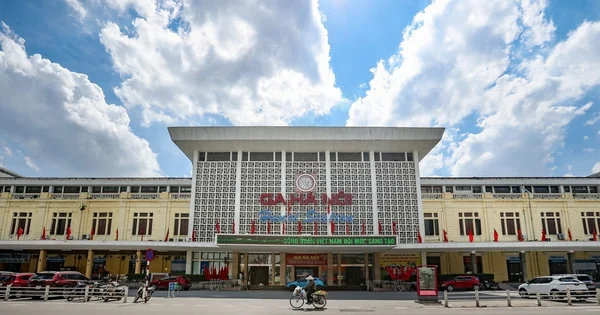
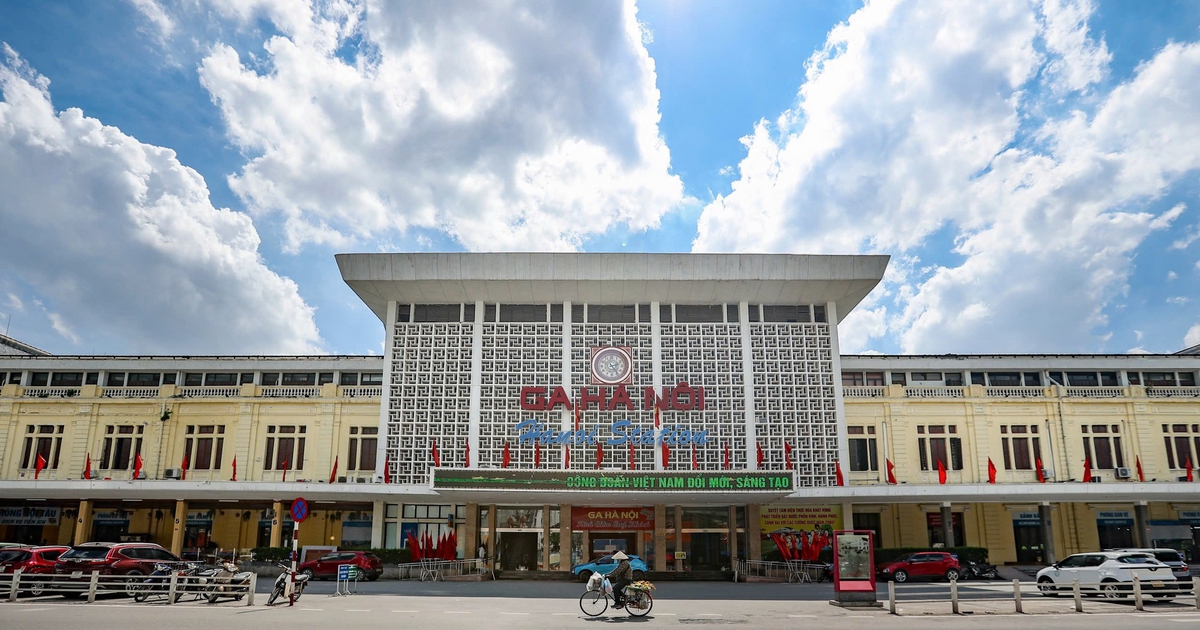
The Hanoi People’s Committee has formally submitted a proposal to the central government seeking approval for the relocation of passenger and freight operations from the historic Hanoi Railway Station and the bustling Giap Bat Station to the Phu Xuyen Station. This strategic maneuver is intended to clear the necessary land for the ambitious expansion of National Highway 1 (QL1), a critical arterial road currently suffering from extreme congestion. The proposal, which involves a collaborative effort between municipal authorities and the private sector, represents a major shift in the capital’s infrastructure planning, aiming to balance historical rail connectivity with the urgent need for modern road capacity.
The Scope of the Infrastructure Overhaul
The proposed project to expand National Highway 1 is one of the most significant infrastructure undertakings in the capital’s recent history. The plan involves widening the section of the highway extending from Ring Road 1 to the Giai Phong Bridge intersection. Spanning over 36 kilometers, the project aims to create a massive 16-lane thoroughfare, a design intended to accommodate the rapid growth in vehicle ownership and transit demand within the capital. With a total projected investment of nearly 162 trillion VND, the project is currently slated for completion by 2027.
To facilitate this massive expansion, the presence of the existing railway corridors and major terminal hubs has become a point of logistical friction. By moving the primary passenger and freight operations to Phu Xuyen, located approximately 35 kilometers south of the city center, officials hope to remove the physical constraints currently preventing the widening of the highway.
Collaborative Planning and Operational Continuity
Under the proposed framework, Vingroup has been identified as a key partner to collaborate with the Ministry of Construction and the Vietnam Railways Corporation (VNR). The initiative involves a multifaceted approach to ensure that the transition does not disrupt the lives of commuters or the movement of essential goods.
To address concerns regarding the distance between the city center and the new Phu Xuyen hub, Vingroup has proposed the implementation of a 24/7 complimentary shuttle bus service. This system is designed to provide continuous connectivity between Phu Xuyen Station and the existing Hanoi Station, ensuring that passengers currently utilizing the rail network experience minimal inconvenience during the transition.
For freight logistics, the proposal suggests establishing a secondary transit system between Phu Xuyen and Yen Vien Station. This buffer is critical to prevent bottlenecks in the supply chain. By maintaining fluid movement between these stations, the government aims to prevent any disruptions to the national railway supply chain, which remains a backbone for transporting raw materials and industrial components across Northern Vietnam.
Maintaining Command and Control
A critical component of the relocation plan involves the future of the Railway Traffic Control Center (OCC). The Hanoi People’s Committee has explicitly requested that the OCC remain at its current location within Hanoi Station throughout the initial phase of the transition.
This decision is rooted in operational safety. By keeping the nerve center of the railway network in its existing location, authorities intend to ensure that train scheduling and signaling operations remain uninterrupted while the physical relocation of passenger and freight facilities takes place. Once the new national railway hub at Ngoc Hoi is completed—along with the associated electrified rail segments and supporting infrastructure—the relocation of the OCC will be revisited in accordance with the long-term national transport master plan.
Historical Context and Chronological Development
The push to modernize the capital’s transport infrastructure has been building for several years. In May 2026, Vingroup initially submitted a petition to the central government, urging a comprehensive review of the railway footprint in the urban core. The goal was to initiate a phased migration of rail infrastructure from Hanoi Station to either Ngoc Hoi or another site designated as suitable by the Ministry of Construction and the Hanoi People’s Committee.
The current proposal serves as a follow-up to those earlier discussions, now providing a more concrete path forward to meet the 2026 deadline for land handover. The urgency of this timeline is dictated by the 2027 completion target for the National Highway 1 expansion project, which is widely viewed as a vital remedy for the city’s chronic traffic gridlock.
Implications for Urban Development and Logistics
The relocation of these two major stations carries profound implications for urban planning in Hanoi. Hanoi Station, which has served as the city’s gateway for over a century, sits on prime real estate that has long been a subject of redevelopment debates. By shifting the station’s functions, the government opens the door to not only highway expansion but also potential transit-oriented development (TOD) opportunities that could reshape the southern approach to the city.

However, the transition is not without challenges. Experts point to the "last-mile" connectivity issue. While shuttle services can mitigate the immediate impact on passengers, the long-term shift of a major rail hub 35 kilometers out of the urban core requires a robust integration with the city’s burgeoning metro system. If the transition is not synchronized with the expansion of the urban rail network, there is a risk that commuters may shift from rail to private automobiles, potentially undermining the environmental benefits of the highway expansion.
From a freight perspective, the move is seen as a necessary evolution. As the city expands, the movement of heavy freight through dense urban zones becomes increasingly inefficient and hazardous. Consolidating freight at peripheral hubs like Phu Xuyen and Yen Vien aligns with modern global standards, where logistics hubs are located on the periphery to keep heavy transport away from residential and commercial cores.
Official Stance and Next Steps
The proposal is currently undergoing rigorous review by the Ministry of Construction and the Vietnam Railways Corporation. These agencies are tasked with ensuring that the plan complies with the national railway development strategy. Key focus areas for this review include:
- Safety Protocols: Verification that the proposed station infrastructure at Phu Xuyen meets all international safety standards for high-volume passenger traffic.
- Financial Feasibility: A detailed audit of the investment plans for the construction of the new terminal facilities and the associated costs of the shuttle services.
- Regulatory Alignment: Ensuring that the interim arrangements for the OCC do not conflict with long-term technological upgrades to the national rail signaling systems.
As Hanoi continues to grapple with the pressures of rapid urbanization, this project highlights the delicate balance between preserving historical infrastructure and creating the capacity required for a modern, global capital. If successful, the relocation will serve as a landmark case study in how to navigate the complex intersection of land-use reform, private-sector cooperation, and large-scale public works.
While the timeline for the 2026 land handover is aggressive, the commitment from both the municipal government and major private partners suggests a strong political and economic impetus to move forward. As the project advances, the focus will likely remain on ensuring that the efficiency gains in road transport are not offset by a degradation in the quality and accessibility of the rail services upon which thousands of citizens depend daily.