Northern Vietnam Braces for Severe Cold Snap and Heavy Rains as National Authorities Issue Urgent Disaster Preparedness Directives

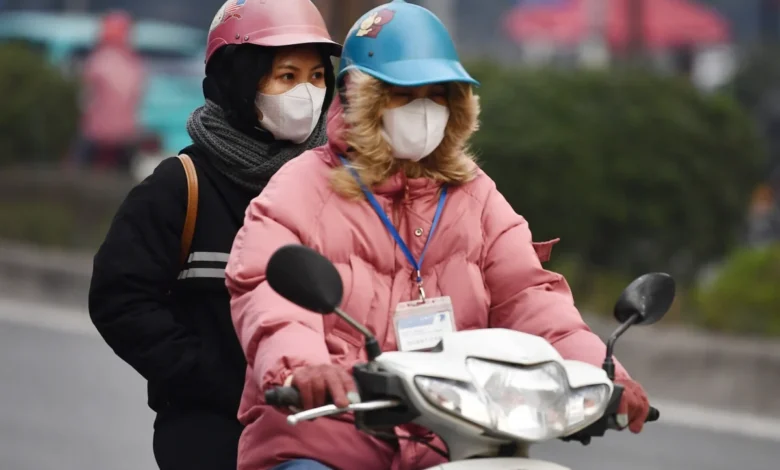
A potent cold air mass is descending upon northern and central regions of Vietnam, bringing a dramatic shift in weather conditions characterized by plunging temperatures, biting frost in high-altitude zones, severe gales across maritime areas, and torrential downpours stretching from the central provinces down through the Central Highlands. In response to the incoming meteorological hazards, the National Steering Committee for Civil Defense has formally requested authorities across 26 provinces and municipalities—ranging from Tuyên Quang in the north to Lâm Đồng in the Central Highlands—to activate emergency preparedness protocols and implement robust mitigation strategies.
The seasonal transition marks a decisive end to the period of milder, stable weather that has prevailed over much of northern Vietnam in recent weeks. According to comprehensive forecasts issued by the National Center for Hydro-Meteorological Forecasting, the cold front began making its presence felt late on November 18, rapidly transforming atmospheric conditions across the northern tier. Mountainous sectors are experiencing deep, penetrating cold, while lowland areas and urban centers face sharp drops in daytime and nighttime readings. The weather pattern is projected to expand its reach progressively southward, creating a complex multi-hazard event involving freezing temperatures, strong maritime winds, thunderstorms, localized flash floods, and landslides over a span of several days.
Detailed Meteorological Progression and Temperature Forecasts
The trajectory of the cold air mass outlines a clear timeline of atmospheric disruption across multiple geographical zones. Beginning late on November 18, northern Vietnam transitioned into a persistent chill, with high-altitude mountainous enclaves encountering severe cold conditions accompanied by the risk of frost. This freezing influence extended further southward by November 19, causing northern portions of the central region—specifically North Central Vietnam—to turn cold, while areas spanning from Quảng Trị to Huế experienced a notable cooling trend.
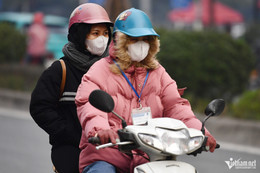
Thermal parameters recorded during this phase illustrate the severity of the cold front. Across the midlands and mountainous zones of northern Vietnam, minimum temperatures are hovering between 12 and 15 degrees Celsius. In elevated mountainous pockets where topography amplifies the chill, mercury readings are plunging below 10 degrees Celsius, creating hazardous conditions for human health and agricultural operations. Meanwhile, the northern delta, including major urban hubs such as Hanoi, along with the North Central region, is registering minimum temperatures ranging from 15 to 18 degrees Celsius.
Concurrently, the interaction between the incoming cold front and prevailing atmospheric moisture has triggered widespread precipitation. From November 18 through November 19, northern Vietnam, Thanh Hóa, and Nghệ An are experiencing scattered showers and thunderstorms, with localized downpours in certain areas. The focus of heavy rainfall will shift significantly between November 19 and November 21, during which the stretch from Hà Tĩnh to Đà Nẵng, as well as the eastern districts from Quảng Ngãi to Đắk Lắk, will endure continuous rain, moderate to heavy showers, and thunderstorms. Meteorological authorities warn that isolated pockets within these regions could receive rainfall totals characterized as heavy to torrential, elevating the vulnerability of saturation-prone terrain.
Maritime Hazards and Rough Seas
Beyond terrestrial cold and rainfall, the atmospheric pressure gradient driven by the cold front is generating hazardous winds across vital maritime corridors. Starting from the afternoon and evening of November 18, the Gulf of Tonkin and the northern sector of the South China Sea—including the Hoàng Sa (Paracel) archipelago—are witnessing a progressive intensification of winds. Sustained wind speeds are reaching levels 6 to 7 on the Beaufort scale, with violent gusts hitting levels 8 to 9, creating turbulent seas and high waves hazardous to all forms of navigation.
The maritime threat zone expands further by the afternoon and evening of November 19, as strong winds begin to sweep across the northern waters of the central South China Sea and the coastal sea zones stretching from southern Quảng Trị to Quảng Ngãi. In these areas, winds are strengthening to level 6, with intermittent gusts reaching levels 7 to 8. These rough sea conditions pose a direct threat to fishing vessels, cargo transport, and offshore industrial installations operating within the affected zones.
National and Local Government Response Strategies
Faced with the convergence of damaging winds, heavy rainfall, and plunging temperatures, the National Steering Committee for Civil Defense has mobilized a coordinated response framework. Official directives have been dispatched to the People’s Committees of 26 provinces and cities, mandating immediate preparedness actions tailored to specific local vulnerabilities.
For coastal localities spanning from Quảng Ninh down to Lâm Đồng, municipal authorities have been instructed to maintain continuous monitoring of marine weather bulletins. Local agencies are tasked with communicating real-time warnings directly to captains, vessel owners, and maritime operators currently at sea. The objective is to ensure that all ships take proactive shelter, adjust operational schedules to avoid peak hazard windows, and maintain uninterrupted communication channels with shore authorities to facilitate rapid emergency response if crises arise.
In regions identified as high-risk zones for flash floods, landslides, and deep urban inundation—particularly across the Central provinces—provincial governments are required to review local contingency plans rigorously. Authorities must disseminate warnings down to grassroots administrative levels and local communities, ensuring residents are fully aware of impending dangers. Where necessary, proactive evacuation measures must be executed, moving populations out of zones vulnerable to severe riverine flooding, flash floods, and mountain slope failures.
Dam and Reservoir Safety Management
Water resource management constitutes a critical pillar of the disaster response directive. Given the potential for sustained and intense rainfall, provincial authorities and dam operators are mandated to manage hydroelectric and irrigation reservoirs in strict accordance with established operating procedures and the Prime Minister’s official directives regarding reservoir safety.
Special emphasis has been placed on minor hydropower facilities, aging reservoirs, and structures deemed structurally vulnerable. Operators are required to balance flood storage capacity with downstream safety, ensuring that discharge operations are communicated transparently to local communities to prevent sudden downstream inundation. Local disaster response units and on-site rescue teams remain on high alert, equipped and positioned to deploy rapidly should structural integrity issues or emergency releases become necessary.
Public Health and Agricultural Safeguards
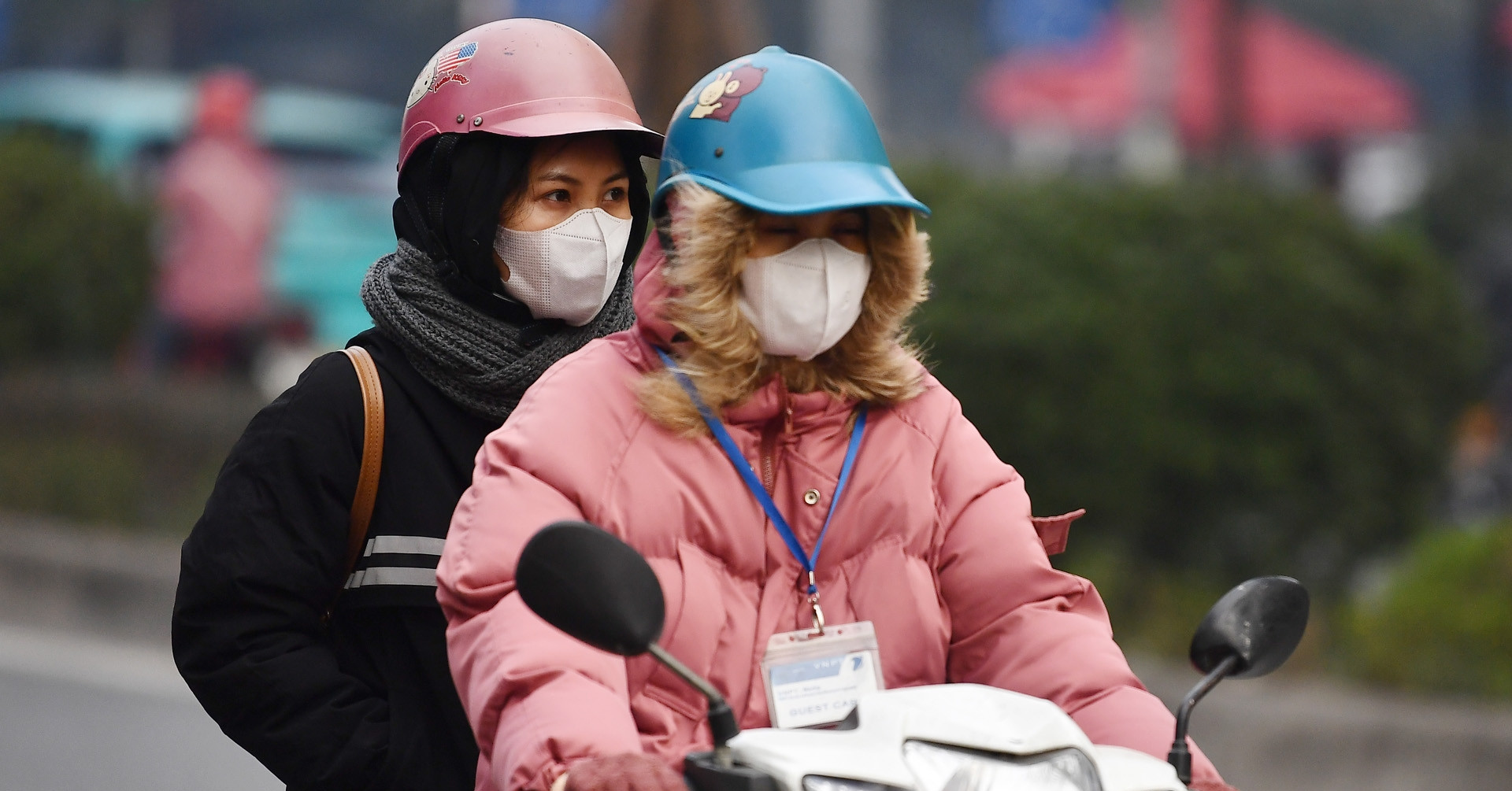
In response to the severe cold gripping the northern provinces, local administrations are prioritizing public health protection, particularly among vulnerable populations such as the elderly and young children. Health authorities have intensified public awareness campaigns regarding the dangers of indoor heating methods, specifically warning against the use of charcoal braziers in unventilated rooms—a practice that historically leads to carbon monoxide poisoning during cold snaps.
Agricultural sectors are similarly mobilizing to protect livestock and crops. Farmers in northern and central regions are receiving guidance on reinforcing livestock barns, storing adequate feed supplies, and applying protective agronomic measures to shield sensitive crops from frost damage and prolonged chilling temperatures. Local agricultural extension offices are actively distributing advisory notices detailing best practices for thermal regulation in animal husbandry and crop protection.
Sustained Communication and Community Preparedness
To minimize potential losses, the network of grassroots information channels—including district and communal loudspeaker systems, local media outlets, and digital communication platforms—has been fully mobilized. Continuous updates regarding weather developments, safety guidelines, and survival skills for handling cold stress, heavy rain, lightning, flash floods, and maritime gales are being broadcasted routinely.
The comprehensive mobilization reflects lessons learned from previous seasonal transitions, emphasizing a proactive, preventive approach rather than purely reactive crisis management. By coordinating meteorological forecasting, maritime safety enforcement, infrastructure regulation, and public health outreach across 26 jurisdictions, Vietnamese authorities aim to safeguard human lives, economic assets, and agricultural infrastructure throughout the duration of this sustained winter weather event.
Related posts: