Nơi những dòng chảy gặp nhau: Họa sĩ Đặng Thanh Huỳnh mang 54 tác phẩm mới đến Bảo tàng Mỹ thuật Việt Nam

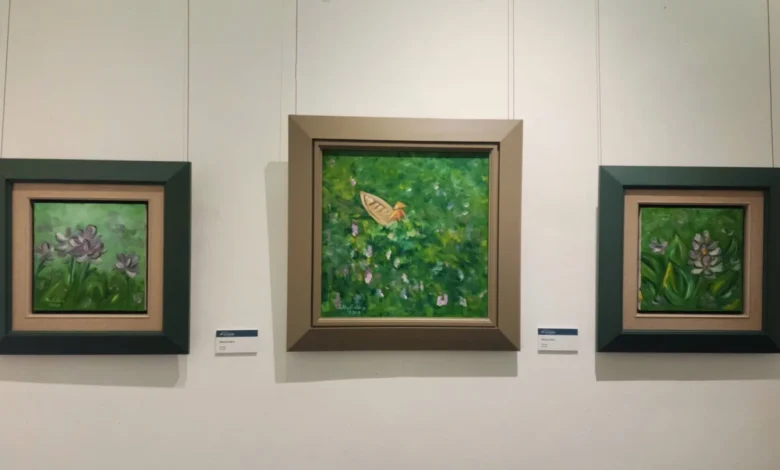
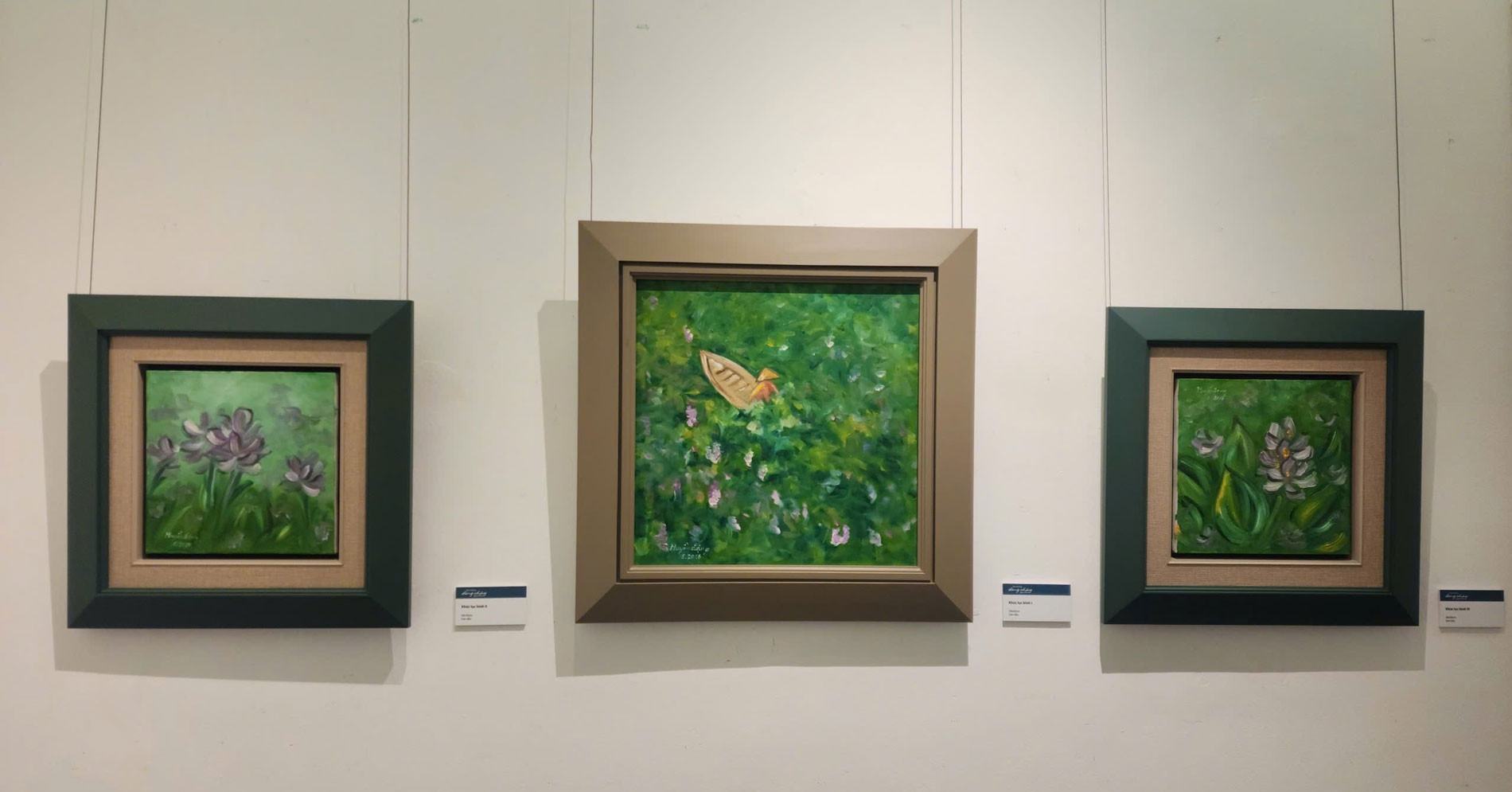
The Vietnam National Museum of Fine Arts has officially opened its doors to "Nơi những dòng chảy gặp nhau" (Where the Currents Meet), the highly anticipated third solo exhibition by contemporary Vietnamese artist Đặng Thanh Huỳnh. Running through November 29, the exhibition marks a significant milestone in the artist’s career, presenting 54 entirely new works that traverse a diverse spectrum of artistic expressions, ranging from introspective portraiture and evocative landscapes to bold abstract experiments.
Main Facts and Opening Event
The grand opening took place on the evening of November 25, drawing art critics, fellow painters, collectors, and enthusiasts to the prestigious halls of the Vietnam National Museum of Fine Arts in Hanoi. This exhibition follows a prolific year for Đặng Thanh Huỳnh, who previously captured public and critical acclaim with her earlier exhibitions, Hướng sắc Hà Nội (Hanoi Scents) and Nơi thời gian chậm lại (Where Time Slows Down), the latter of which debuted in March 2025.
Unlike her previous showcases, which often centered heavily on specific thematic explorations, "Nơi những dòng chảy gặp nhau" serves as an expansive visual diary. The 54 works on display represent a meticulous selection of the artist’s latest creative output. Significantly, organizers noted that the vast majority of the displayed pieces had already been acquired by private collectors prior to the public opening, underscoring the strong commercial and critical demand for Huỳnh’s distinctive artistic voice.
Chronology of Inspiration and Artistic Evolution
The creative journey behind the current exhibition spans months of geographical and emotional transit. Huỳnh’s inspiration is deeply rooted in the mundane yet profound moments of daily life—a fleeting glance, a passing expression, or an unspoken gesture caught in the peripheral vision of a fast-paced world.
The conceptual genesis of these works can be traced back to an extensive expedition along the Mekong River, winding from Vietnam into Cambodia. Among the myriad impressions gathered along the waterway, it was the gaze of Cambodian children that left the most indelible mark on the artist. Describing their eyes as simultaneously innocent, melancholic, yet intimately warm and playful, Huỳnh channeled this profound emotional resonance into a dedicated series of portraits. These pieces capture the raw vulnerability and quiet dignity of childhood along Southeast Asia’s greatest river basin.
Following her foundational studies at the Industrial University of Fine Arts, Huỳnh pursued advanced academic training at the Vietnam University of Fine Arts to meticulously refine her technical mastery. Her artistic trajectory has demonstrated a steady evolution from rigorous academic training toward a more liberated, expressionistic style characterized by vibrant palettes and energetic, confident brushwork.
Expert Perspectives and Critical Reception
The exhibition has drawn high praise from prominent figures within the Vietnamese contemporary art community, notably veteran painter Bính Chương. Reflecting on Huỳnh’s artistic identity, Chương offered a penetrating analysis of her creative output and resilience.
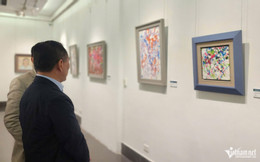
"In her previous exhibition, Huỳnh’s portraiture created a powerful impact," Chương remarked during an interview at the museum. "Within an artistic landscape where few artists pursue this genre, her ability to carve out a distinct and unique style was already a massive success. Yet, it comes as a profound surprise that this time, Huỳnh presents an entire body of work dedicated to landscapes—from coastal vistas and the rugged terrains of her travels to familiar street corners."
Chương emphasized that Huỳnh’s work reflects an intense inner vitality and an unyielding passion for beauty that demands expression as a vital psychological necessity. He noted that her vibrant color choices and sweeping, uninhibited brush strokes are testaments to an artist unbound by conventional constraints.
Addressing the societal pressures often faced by female artists who balance motherhood and professional practice, Chương lauded Huỳnh’s ability to transcend these challenges gracefully: "Typically, women after having children easily fall into the vortex of busyness, postpartum depression, or psychological pressures. Yet, Huỳnh has navigated all of this effortlessly. Perhaps painting serves simultaneously as her salvation and a personal artistic necessity. When creation stems from the most genuine personal needs, that is true artistic labor in the truest sense of the word."
The Philosophy of "Slow Living" Through Art
At the core of "Nơi những dòng chảy gặp nhau" is a philosophical inquiry into the concept of "sống chậm" (slow living). In an era dominated by relentless urban acceleration and digital saturation, Huỳnh’s canvases function as visual sanctuaries, urging viewers to pause, decelerate, and tune into their inner emotional landscapes.
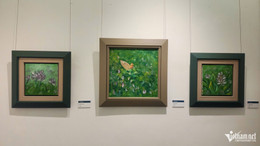
"The concept of ‘slow living’ may be difficult to define rigidly, but for me, it simply means paying closer attention to the inner world of oneself and those around us," Huỳnh shared with press representatives. "It is when we sensitively notice the warmth in a loved one’s eyes, or even the playful glance of a stranger on the street—fleeting moments that anchor themselves deeply into the artist’s mind."
For Huỳnh, the act of painting is devoid of external anxieties regarding thematic trends or audience expectations. Instead, the canvas serves as a temporal space for complete mental liberation and unvarnished authenticity. Despite holding her third major solo exhibition, the artist maintains that the creative process remains her ultimate refuge—a medium through which she can detach from external noise and live entirely true to herself.
Broader Impact and Implications for Contemporary Vietnamese Art
The staging of "Nơi những dòng chảy gặp nhau" at a state-level institution like the Vietnam National Museum of Fine Arts highlights the growing recognition of contemporary mid-career artists who bridge traditional aesthetics with modern emotional introspection. By shifting fluidly between portraiture, landscape, and abstraction, Huỳnh challenges the conventional compartmentalization often imposed on painters.
Furthermore, the exhibition arrives at a time of vibrant cultural dialogue within Vietnam’s artistic sphere, echoing concurrent events such as the recent "Sunlight Within" exhibition by artist Tamhuy at the same university’s art space. These parallel showcases reflect a broader generational movement among contemporary Vietnamese creators—one that prioritizes psychological healing, emotional empathy, and cross-cultural resonance over rigid formalism.
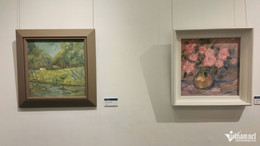
As public engagement with contemporary fine arts continues to rise in urban centers like Hanoi, exhibitions like Huỳnh’s demonstrate the enduring market viability and cultural relevance of deeply personal, narrative-driven painting. "Nơi những dòng chảy gặp nhau" remains open to the public through November 29, offering art enthusiasts a final opportunity to immerse themselves in a world where geography, memory, and emotion seamlessly converge.