Nguyen Quynh Anh stripped of Miss Universe Vietnam 2026 title following contractual and administrative disputes

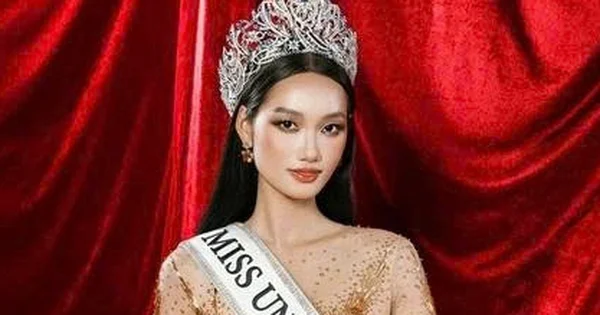
The organization behind Miss Universe Vietnam officially announced on the evening of November 18, 2026, the revocation of the Miss Universe Vietnam 2026 title from Nguyen Quynh Anh. This decision marks a significant turning point in the career of the model and beauty queen, following a series of unresolved administrative conflicts and breaches of commitment regarding her tenure as the reigning titleholder. The announcement concludes weeks of industry speculation regarding the stability of her position and highlights the rigorous, often uncompromising, nature of modern beauty pageant contracts.
A Chronology of the Disputed Tenure
The path to the revocation of Quynh Anh’s title was neither sudden nor isolated. Her tenure was fraught with complications almost from the outset. Following her coronation on October 2, 2026, in Hai Phong, the expectation was a period of high-profile engagement and international representation. However, the relationship between the pageant organizers and the titleholder began to deteriorate shortly thereafter.
In late October 2026, Quynh Anh faced her first major hurdle when private messages from a group chat involving several beauty contestants were leaked onto social media platforms. The content of these messages led to immediate disciplinary action from the Miss Universe Vietnam organizers. At that time, she was suspended from performing on stage for a period of six months and was mandated to fulfill administrative obligations, including the payment of fines as stipulated by local authorities regarding the nature of the leaked communications.
Following this initial disciplinary action, the situation failed to stabilize. According to the pageant’s official statement, the core issues—which included unauthorized appearances at public events without prior consultation with the organizers, discrepancies regarding management contracts, and the unauthorized use of intellectual property belonging to third-party entities—remained unresolved. Furthermore, Quynh Anh had cited mental health concerns as a reason for requesting a period of rest and recuperation, which subsequently led to a delay in the formal signing of her management contract. This failure to formalize the legal agreement meant that, throughout the post-coronation period, both parties were operating in a legal gray area that eventually became untenable for the organization.
Official Responses and the Stance of SIGNITE
In the wake of the official announcement, the management entity representing Quynh Anh, SIGNITE, provided a measured response. Rina Kim, the CEO of SIGNITE, expressed both surprise and regret regarding the organization’s final decision, noting that the title was viewed as a pivotal milestone in Quynh Anh’s artistic journey.
"We acknowledge the decision made by the Miss Universe Vietnam organizers and intend to respect the process," Kim stated. "Our current priority is to await further official documentation and conclusions from both the pageant committee and the relevant government authorities. We are committed to ensuring that all outstanding issues are addressed with transparency and objectivity."
SIGNITE emphasized that despite the revocation, they remain committed to supporting Quynh Anh’s professional development. The agency has outlined a transition plan that involves pivoting away from the pageant circuit to focus on high-fashion modeling, commercial partnerships, and community-based projects that align with her long-term career goals. This move is interpreted by industry analysts as a strategic effort to rebrand the model and distance her from the controversy surrounding the pageant title.
The Landscape of Professional Beauty Pageantry
The revocation of a title in a major national pageant is an infrequent but consequential event that underscores the evolving complexity of the beauty industry. Modern beauty queens are no longer merely representatives of a cause; they are effectively public figures bound by multi-layered legal contracts that dictate their personal behavior, commercial appearances, and social media presence.
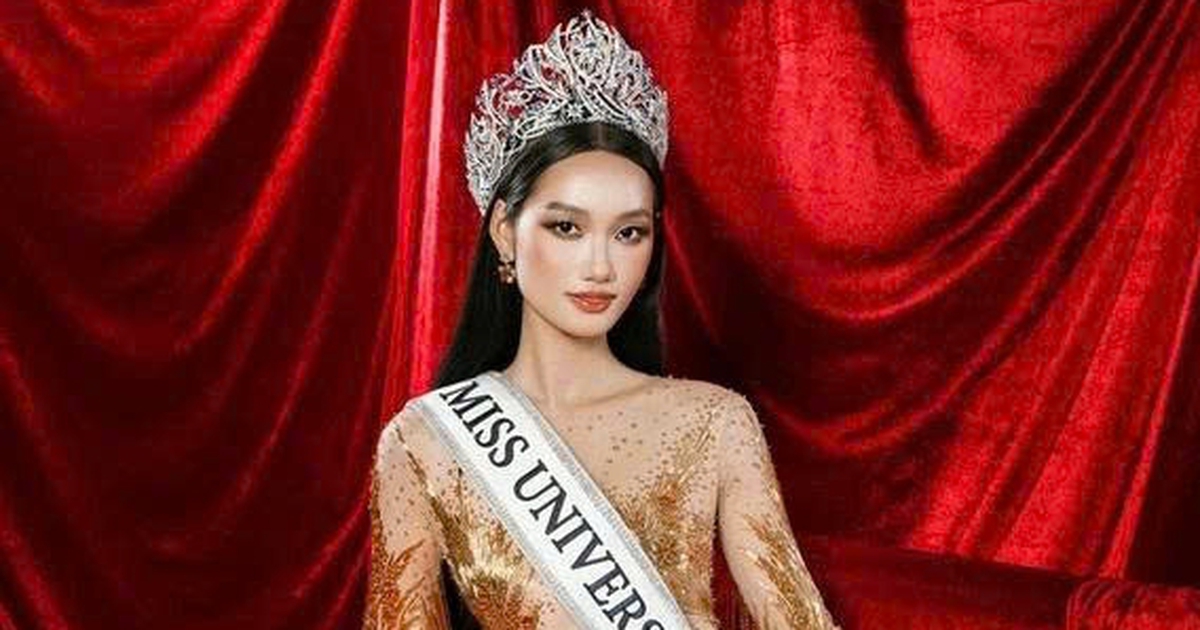
In the case of Miss Universe Vietnam, the organization has consistently maintained that the standards expected of a titleholder extend far beyond stage performance. The "Code of Conduct" within such contracts often includes clauses that hold the titleholder liable for public controversies, even those occurring in private or digital spaces, if they are deemed to negatively impact the brand equity of the pageant.
Data from the global pageantry market suggests that the "life cycle" of a titleholder has become increasingly professionalized. Major franchises now operate similarly to talent management agencies, where the title is an asset to be leveraged for sponsorships and media appearances. When a titleholder fails to adhere to the rigid schedule or contractual obligations—such as appearing at events without the oversight of the management team—the organization risks losing lucrative endorsement deals. Consequently, the decision to strip a title is often less about personal animus and more about protecting the contractual integrity of the franchise.
Fact-Based Analysis of Implications
The impact of this decision on Quynh Anh’s career is multifaceted. On one hand, the loss of a major title typically carries a stigma that can deter mainstream commercial brands from immediate association. However, in the contemporary media environment, high-profile controversies can sometimes lead to a "rebranding" effect, provided the individual can demonstrate a commitment to professional growth and public accountability.
For the Miss Universe Vietnam organization, the revocation serves as a cautionary tale regarding the selection and vetting process. It highlights the difficulty of managing high-profile individuals who must balance public persona with private lives in the age of instant digital scrutiny. The organization now faces the logistical challenge of either appointing a runner-up or moving forward without a representative for certain upcoming events, which may necessitate a re-evaluation of their current contractual templates to avoid similar disputes in future years.
Contextualizing Quynh Anh’s Professional Background
It is important to note that Nguyen Quynh Anh is not a novice in the industry. Before her 2026 coronation, she had established a significant presence in the Vietnamese fashion scene. Her portfolio includes:
- The Face Vietnam 2018: She was a runner-up, gaining national recognition for her versatility in commercial modeling.
- Supermodel Me (Asia) 2021: She emerged as the winner of this pan-Asian reality competition, cementing her reputation as a model with international potential.
- Miss Universe Vietnam 2024: She secured the position of 1st Runner-up, which served as the springboard for her 2026 win.
These achievements indicate that Quynh Anh’s professional identity is deeply rooted in the fashion industry. The transition from beauty queen to professional model is a well-trodden path, and it is likely that she will lean on her previous successes to navigate this current period of transition.
The Path Forward: A Strategic Pivot
Looking ahead, the focus for both the model and her management team will be on the execution of a rehabilitation strategy. By distancing herself from the pageant’s immediate ecosystem, Quynh Anh is expected to focus on high-fashion editorials and, potentially, acting or brand ambassadorships that do not require the specific "pageant queen" title.
The statement released by SIGNITE indicates that the focus will be on "enhancing professional skills" and "contributing to community-based projects." This phrasing is typical of a public relations strategy designed to shift the narrative from the controversy of the title loss to a story of personal growth and professional maturity.
In conclusion, the revocation of Nguyen Quynh Anh’s title serves as a poignant reminder of the high stakes involved in modern beauty pageantry. It is a case study in the intersection of fame, legal obligation, and the public’s appetite for scandal. Whether this event marks the end of her influence or merely a transition to a new phase of her career remains to be seen, but the incident will undoubtedly be studied by future contestants and organizers alike as they navigate the increasingly complex requirements of the industry. The industry, and the public, now wait to see how the legal and administrative discussions unfold, and what the long-term impact will be on the brand identity of Miss Universe Vietnam as it moves forward in the 2026 cycle.