Thanh Hoa Fines Social Housing Investor 240 Million VND Over Multiple Construction Violations at Phu Bao Ngoai Project

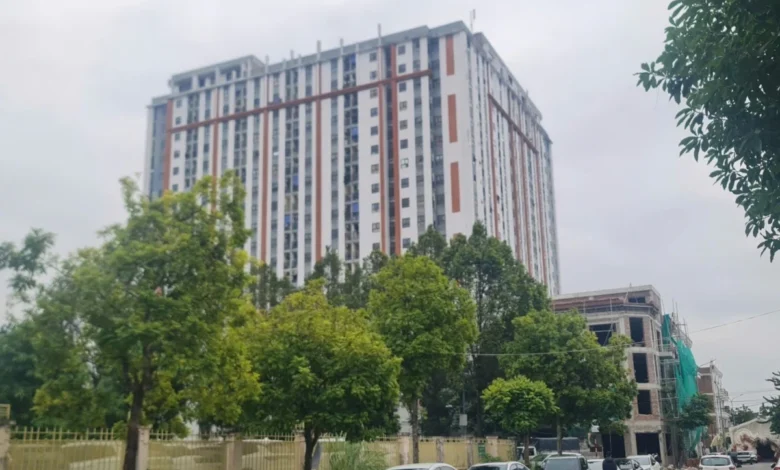
The construction sector in Thanh Hoa province has faced renewed scrutiny following a decisive administrative action against a major residential development. The Department of Construction of Thanh Hoa province has officially sanctioned the 379 Construction and Housing Development Joint Stock Company, the investor behind the Phu Bao Ngoai social housing project—commonly referred to as the 379 Apartment Complex—located in Hac Thanh ward. The company has been hit with a total administrative fine of 240 million VND due to multiple systemic breaches of national construction regulations, including executing unauthorized works and prematurely deploying residential spaces without mandatory regulatory sign-offs.
This enforcement action underscores the increasing vigilance of provincial authorities regarding compliance within the affordable housing and urban development sectors. As housing demands rise across secondary urban hubs in Vietnam, regulatory frameworks governing construction permits, zoning laws, and mandatory safety inspections are facing rigorous oversight to safeguard consumer rights and maintain civic order.
Overview of Infractions and Financial Penalties
According to official reports submitted by the People’s Committee of Hac Thanh Ward to the Thanh Hoa Department of Agriculture and Environment, along with findings compiled by the Department of Construction, the infractions committed by the 379 Construction and Housing Development Joint Stock Company are diverse and systemic.
On October 21, 2026, the Director of the Thanh Hoa Department of Construction formally signed Decision No. 1371/QD-XPHC, detailing the legal basis for the 240 million VND penalty. The disciplinary measures are divided into two distinct violations:
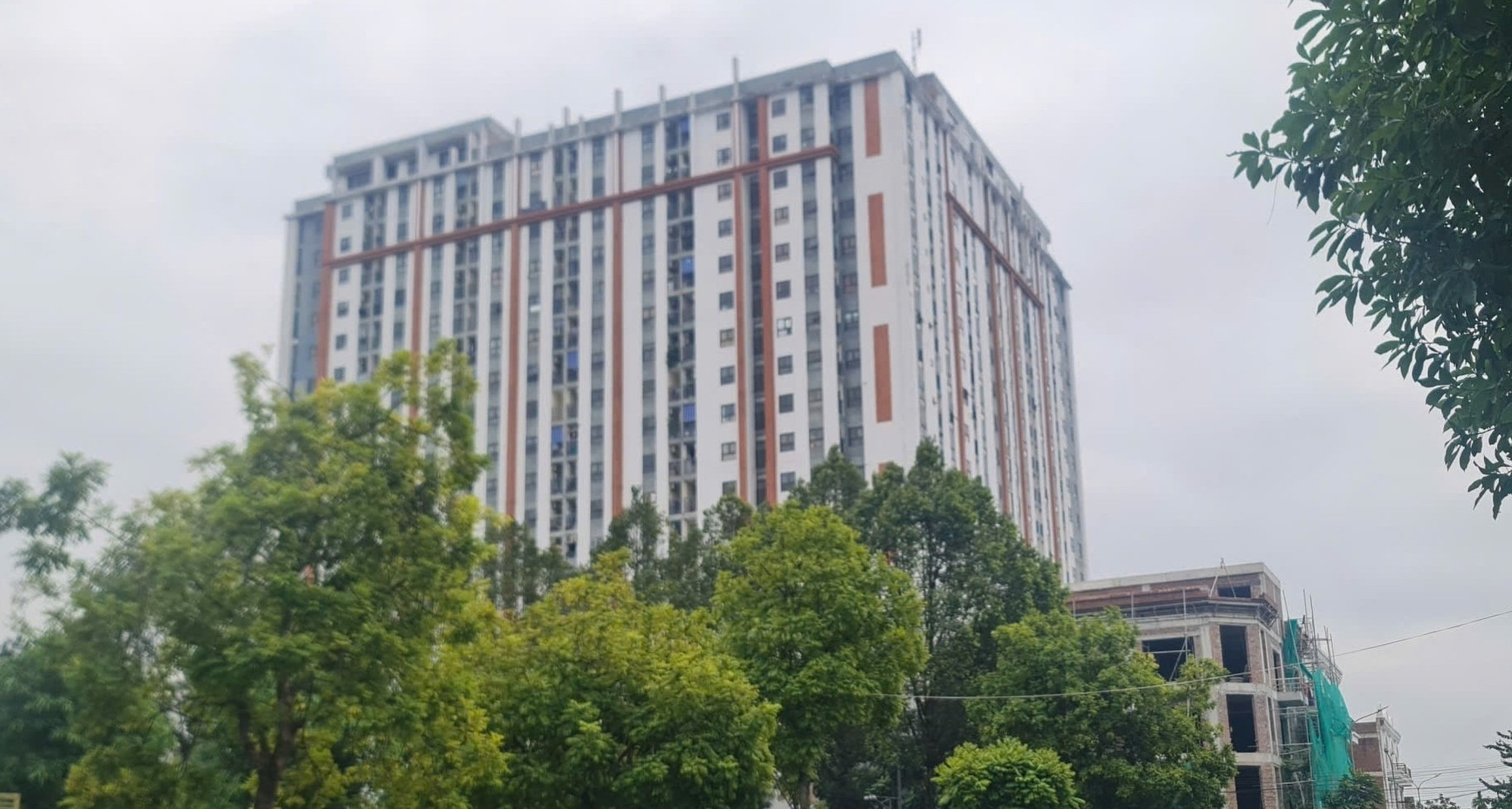
- Executing construction works in variance with the content of the issued construction permit, resulting in a fine of 130 million VND.
- Putting structures and building components into operational use and exploitation prior to receiving formal approval of completion acceptance results from competent state agencies, resulting in a fine of 110 million VND.
These dual infractions highlight a worrying trend wherein developers prioritize accelerated project delivery and monetization over strict adherence to statutory approval workflows, potentially compromising the safety and legal security of future residents.
Detailed Breakdown of Project Violations
A closer inspection of the Phu Bao Ngoai social housing site reveals specific areas where the investor deviated from approved master plans and statutory boundaries. Local authorities and specialized inspection teams mapped out several unauthorized developments both within and adjacent to the designated project footprint:
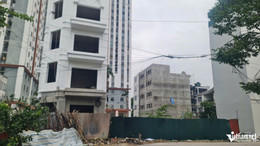
- Unauthorized Low-Rise Construction: Within the remaining 1,901.9-square-meter parcel of land associated with the project—specifically areas where land allocation procedures have not yet been finalized or completed—the enterprise erected three four-story residential buildings. These unauthorized structures are situated at plots 10, 11, and 12 within the LK4 residential zone, encompassing a total unauthorized construction footprint of 215.8 square meters.
- Encroachment and Ground Preparations for Parking Infrastructure: Beyond the unauthorized residential buildings, the investor undertook extensive unauthorized site clearance and ground leveling. This included pouring concrete foundations and erecting 19 reinforced concrete columns across a 382.47-square-meter area designated exclusively for a parking facility within the master plan.
Furthermore, municipal authorities noted that while certain structural elements on the site possessed preliminary building permits, the developer initiated construction activities prior to fulfilling all mandatory pre-construction conditions. Consequently, local oversight bodies have directed the Public Service Provision Center of Hac Thanh Ward to continuously monitor and manage these illegal interventions.
Chronology of Regulatory Intervention and Deadlines
The timeline of the Phu Bao Ngoai project compliance crisis illustrates a swift, phased response by provincial regulators aimed at enforcing legal remediation:
- Initial Phase (Mid-2026): Construction and developmental activities at the 379 Apartment Complex proceed without concurrent completion acceptance, while secondary expansions begin on unallocated plots. Local residents and municipal observers flag irregular on-site developments.
- Inspection and Verification (Third Quarter 2026): Specialized technical teams from the Thanh Hoa Department of Construction, alongside the People’s Committee of Hac Thanh Ward, conduct comprehensive on-site inspections, verifying variance from building permits and illegal occupancy.
- Formal Sanctioning (October 21, 2026): The Director of the Thanh Hoa Department of Construction issues Decision No. 1371/QD-XPHC, imposing the cumulative 240 million VND fine and establishing strict statutory rectification deadlines.
- Current Remediation Window (Late 2026 – Q1/2027): The investor is legally obligated to rectify building quality issues, adjust planning documentation, and secure formal acceptance certificates no later than the first quarter of 2027.
Mandatory Corrective Actions and Deadlines
The administrative penalties imposed on the 379 Construction and Housing Development Joint Stock Company are accompanied by strict corrective mandates designed to bring the project back into full legal alignment.
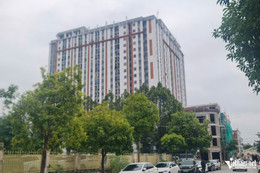
Under the terms of the administrative decision, the enterprise faces a strict 120-day compliance window starting from the issuance date of the sanctioning decision. Within this timeframe, the company is required to complete all necessary dossier applications for submission to competent authorities. This includes securing adjusted construction permits, submitting revised feasibility study reports for formal appraisal, and obtaining official approval for modified construction designs in accordance with current legal standards.
Additionally, municipal authorities have stipulated that by the end of the first quarter of 2027, the company must comprehensively resolve all outstanding issues regarding structural quality and urban construction order. This requires finalizing all technical dossiers, expediting formal acceptance applications, and securing written confirmation of completion acceptance from the relevant state management agencies.
Broader Context of Affordable Housing Challenges in Vietnam
The situation surrounding the Phu Bao Ngoai project mirrors broader systemic pressures facing the social housing sector across Vietnam. With rapid urbanization driving a massive demand for low-cost and affordable residential options, provincial and municipal governments are working aggressively to expand housing supply.
Recent sector data highlights similar momentum nationwide, such as ongoing initiatives in Hanoi where multiple social housing projects—including developments in Dong Anh and the Ecohome 3 complex—are actively processing thousands of applicant dossiers with baseline pricing starting below 15 million VND per square meter. However, the immense pressure to deliver housing units rapidly can occasionally lead developers to cut corners regarding administrative compliance, land allocation clearances, and mandatory safety certifications.
The strict response by Thanh Hoa authorities serves as a critical reminder that the push for affordable housing development cannot come at the expense of regulatory compliance, zoning integrity, and public safety.
Future Outlook and Local Oversight
Moving forward, the People’s Committee of Hac Thanh Ward, in close coordination with the Thanh Hoa Department of Construction, has committed to maintaining a continuous surveillance posture. Local task forces are tasked with monitoring the execution of the administrative penalty decision to ensure the investor does not attempt further unauthorized construction on unallocated land parcels.
Authorities have emphasized that any failure by the 379 Construction and Housing Development Joint Stock Company to meet the mandated first-quarter 2027 deadlines for legal regularization and quality remediation will trigger harsher administrative or judicial interventions, potentially halting further commercial operations and restricting future project licensing within the province.