Nghệ An and Hà Tĩnh provinces distribute 115 new police vehicles to local stations to bolster rural security and patrol capabilities

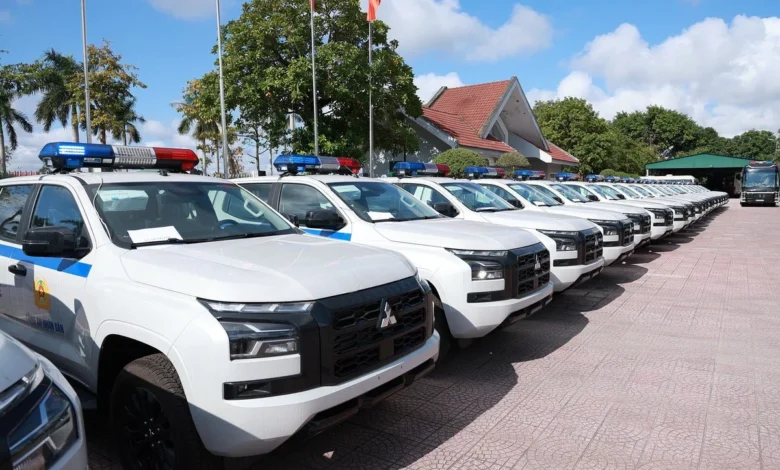
In a significant move to modernize law enforcement infrastructure, the provincial police departments of Nghệ An and Hà Tĩnh have officially commissioned and distributed a combined fleet of 115 specialized automobiles to communal and district-level police stations. This strategic deployment is designed to enhance the operational readiness, patrol frequency, and emergency response capabilities of officers serving in local jurisdictions, marking a critical step in the ongoing effort to professionalize the grassroots police force across Vietnam.
The handover ceremonies, which took place in late November, underscore a national commitment to the directives set forth by the Politburo’s Resolution 12, which envisions a People’s Public Security force that is increasingly modern, disciplined, and technologically adept. By equipping rural and semi-urban police units with modern transport, the Ministry of Public Security aims to bridge the gap between administrative centers and remote villages, ensuring that security forces can maintain public order more effectively in the face of evolving criminal threats.
Strategic Distribution and Operational Impact
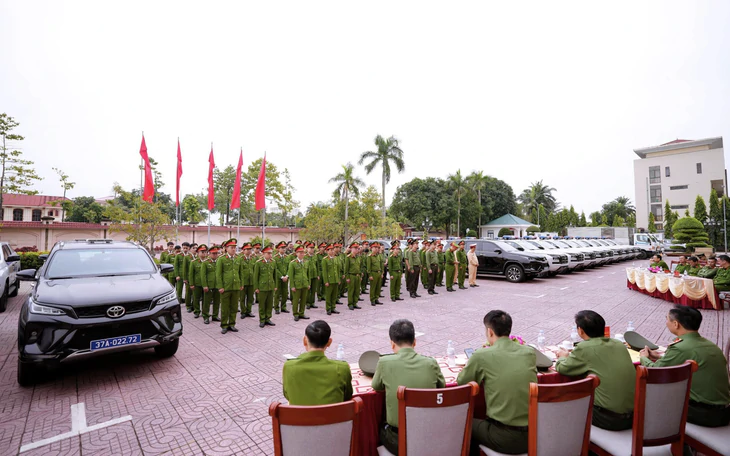
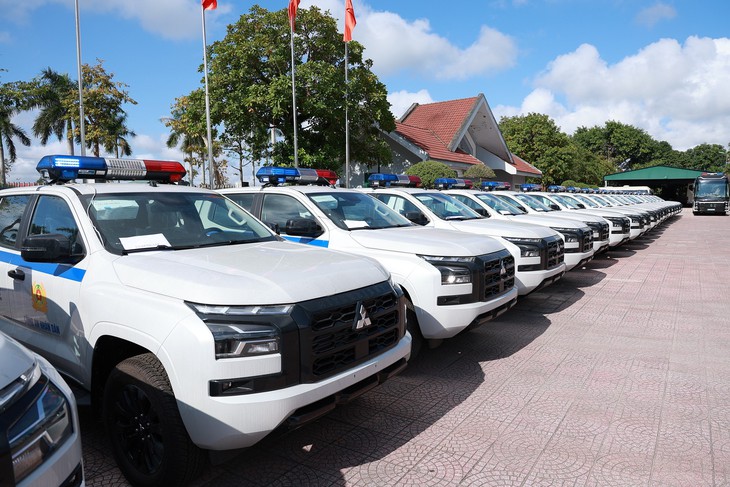
On November 25, the Nghệ An Provincial Police held a formal ceremony to hand over 72 vehicles to various units and local authorities. These vehicles, accompanied by advanced technical equipment and specialized tools, are intended to provide police officers with the necessary mobility to conduct routine patrols, surveillance, and rapid interventions.
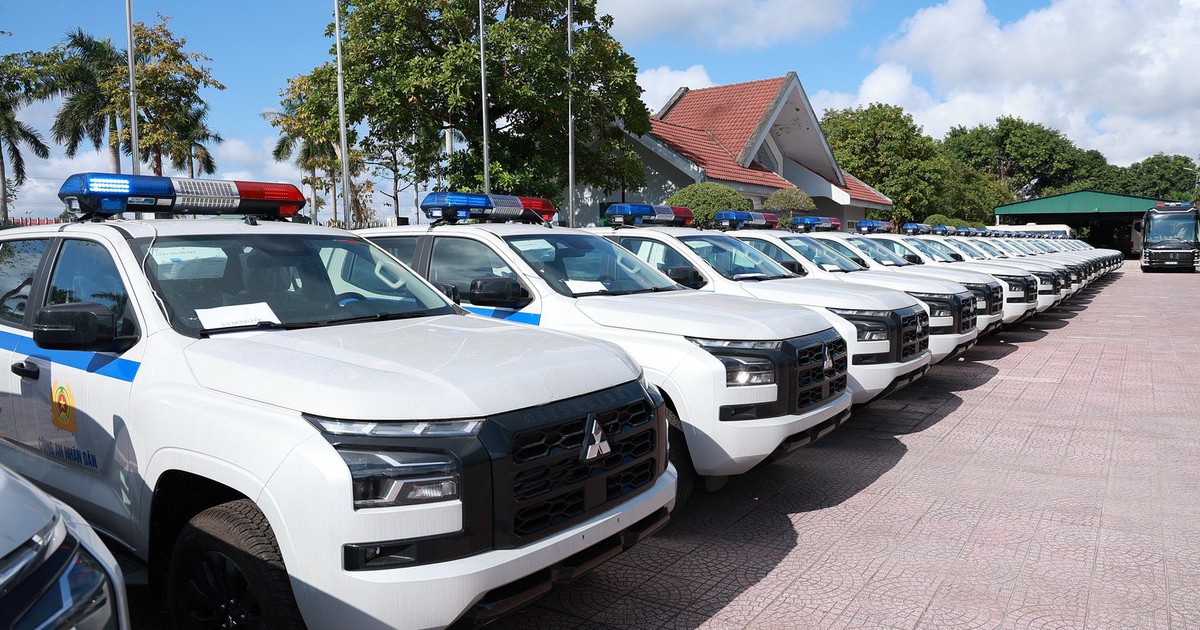
Major General Nguyễn Huy Khách, Deputy Director of the Nghệ An Provincial Police, emphasized the importance of this investment during the event. He mandated that all recipient units must implement strict management and maintenance protocols. The vehicles are to be used exclusively for official duties, and officers are expected to adhere to rigorous scheduling to ensure the fleet remains in optimal condition for emergency response.
This follows an earlier distribution in Hà Tĩnh province, where 43 vehicles were commissioned for 43 local police stations on November 18. The cumulative impact of these 115 vehicles is expected to significantly reduce the response time for criminal incidents, domestic disturbances, and traffic safety enforcement. In rural regions, where geographic isolation can often hinder timely law enforcement presence, these vehicles serve as a mobile command center, allowing officers to maintain a visible and deterrent presence.
The Context of Structural Reform
The modernization of the police fleet is not an isolated initiative; it is an integral component of the ongoing structural reform of the Vietnamese administrative system. Both Nghệ An and Hà Tĩnh have been at the forefront of the two-tier local government reorganization model. Nghệ An has successfully consolidated 412 administrative units into 130 communes and wards, while Hà Tĩnh has reduced its administrative footprint from 209 to 69 units.
As these administrative units expand in size and population density, the demand for more robust policing has grown. The transition to the "two-tier" system means that local police stations now oversee larger territories with more complex socioeconomic dynamics. Consequently, the reliance on traditional, localized patrol methods has become insufficient. The influx of new vehicles allows officers to cover these consolidated regions efficiently, facilitating a more proactive approach to crime prevention.
Analytical Perspective: Enhancing Grassroots Security
Security analysts suggest that the deployment of vehicles to the commune level serves a dual purpose. First, it addresses the "last mile" problem in public safety—the difficulty of providing consistent security to the most peripheral communities. By providing police with dedicated transportation, the Ministry of Public Security ensures that the state’s reach is felt even in the most remote corners of the province.
Second, the vehicles serve as a tangible symbol of state authority and support for local officers. In many instances, communal police have historically operated with limited resources, often relying on personal transport or basic motorcycles that are ill-suited for transporting detainees or responding to large-scale public safety incidents. The provision of modern, standardized vehicles not only improves efficiency but also boosts the morale of officers working in challenging environments.
The focus on "proactive crime prevention" mentioned by local police spokespeople highlights a shift toward community-based policing. With the mobility afforded by these new vehicles, officers are better positioned to gather intelligence, conduct community outreach, and build relationships with residents, which are fundamental to early conflict resolution and crime suppression.
Chronology of Modernization Efforts
The recent handover is part of a broader, multi-year strategy. While the specific figures of 72 and 43 vehicles represent a localized milestone, the Ministry of Public Security has been systematically replacing aging equipment across all 63 provinces for the past several years.
- Mid-2023: The Ministry of Public Security announced a budget allocation for the renewal of police equipment nationwide, focusing on the decentralization of assets to local levels.
- November 18, 2026: Hà Tĩnh Provincial Police completed the handover of 43 vehicles to local communal stations, signaling the start of the current regional rollout.
- November 25, 2026: Nghệ An Provincial Police distributed 72 vehicles, effectively completing the immediate allocation phase for the two provinces.
- Future Outlook: Provincial departments are expected to initiate training programs for drivers and mechanics to ensure the longevity of the new fleet, reflecting a long-term commitment to sustainability.
Technical and Logistical Requirements
The vehicles provided are not merely for transport; they are fitted with communication suites and signaling equipment that integrate with provincial police networks. This integration is vital for command-and-control operations during disasters, high-profile public events, or multi-jurisdictional criminal investigations.
The maintenance of such a fleet presents its own set of logistical challenges. As highlighted by the leadership in Nghệ An, the creation of a chain of responsibility is paramount. Each vehicle is assigned to specific officers who are held accountable for its daily check-ups and upkeep. This internal accountability mechanism is designed to prevent the misuse of public assets and to maximize the lifespan of the equipment.
Broader Implications for Regional Stability
The provinces of Nghệ An and Hà Tĩnh occupy strategic locations in North Central Vietnam, sharing long borders with neighboring countries and possessing complex terrain that ranges from mountainous regions to coastal stretches. These geographic features present unique challenges for law enforcement, including the monitoring of border security, the prevention of smuggling, and the management of maritime safety.
The increased mobility provided by these 115 vehicles will allow for more effective patrol of these diverse landscapes. Furthermore, by strengthening the communal police—the first line of defense in the state’s security apparatus—the government is effectively lowering the threshold for social stability. When local issues are handled promptly and professionally at the commune level, they are less likely to escalate into larger, more destabilizing societal problems.

Conclusion: A Foundation for the Future
The distribution of 115 police vehicles is more than a simple procurement exercise; it is a fundamental investment in the social fabric of Nghệ An and Hà Tĩnh. By empowering local police with the tools necessary to perform their duties in a modern, professional manner, the provincial authorities are demonstrating a clear vision for the future of public safety.
As these vehicles hit the roads, the expectation from the public and the state alike is for a visible improvement in security outcomes. Whether through the suppression of petty crime, the rapid response to traffic accidents, or the ongoing efforts to maintain harmony in rural communities, these mobile units are destined to become a permanent and vital fixture of the regional landscape. The success of this initiative will be measured not just in kilometers traveled, but in the sustained reduction of crime rates and the increased trust between the citizenry and the law enforcement officers who serve them.
As Vietnam continues its rapid path of economic and social development, the ability to maintain internal security remains a cornerstone of the country’s broader progress. The efforts seen in Nghệ An and Hà Tĩnh provide a replicable model for other provinces, demonstrating that when the state invests in its grassroots institutions, the entire nation benefits from a safer, more stable environment. Moving forward, the focus will likely remain on the continued training of the workforce that operates these assets, ensuring that technology is matched by human capability in the ongoing mission to uphold the rule of law.