General Motors Explores Strategic Expansion of Small Electric Vehicle Segment Through Rebadged Wuling Bingo Pro for Emerging Global Markets

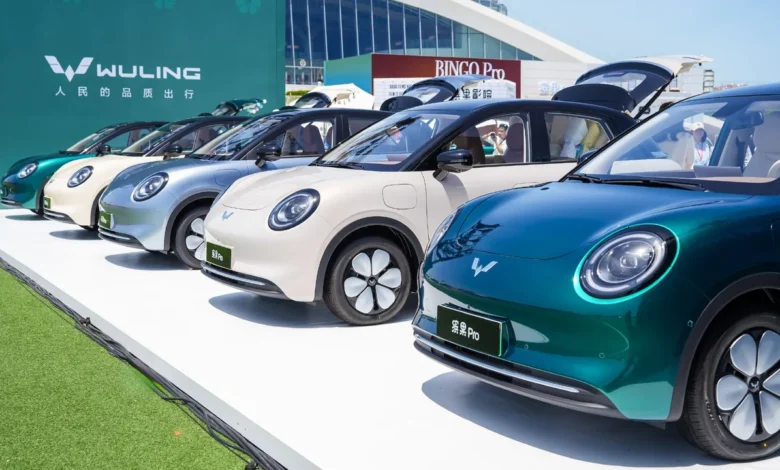
General Motors (GM) is reportedly evaluating a significant strategic pivot to bolster its presence in the burgeoning affordable electric vehicle (EV) sector across Southeast Asia, Latin America, and Africa. According to industry reports and insights from GM Authority, the American automotive giant is considering the introduction of the Wuling Bingo Pro—a successful compact electric hatchback from its Chinese joint venture—rebranded under the iconic Chevrolet marque. This move aims to capture market share in emerging economies where the demand for cost-effective, zero-emission urban mobility is accelerating at an unprecedented pace.
The strategy hinges on the robust manufacturing and development framework of SAIC-GM-Wuling (SGMW), the long-standing joint venture between General Motors, SAIC Motor, and Wuling Motors. By leveraging the existing intellectual property and production efficiencies of the SGMW partnership, General Motors intends to bypass the lengthy and capital-intensive development cycles typically required for new vehicle platforms. If the project receives final approval, the rebadged Bingo Pro would likely debut in pivotal markets such as Mexico and Brazil, potentially serving as Chevrolet’s primary entry-point EV for the "Global South."
The Evolution of the Wuling Bingo Platform
The Wuling Bingo first entered the Chinese domestic market in March 2023, positioned as a slightly larger, more premium alternative to the record-breaking Wuling Hongguang Mini EV. While the Mini EV focused on ultra-budget micro-mobility, the Bingo was designed as a functional five-door hatchback capable of meeting the needs of small families and urban commuters.
In May 2024, the lineup was further enhanced with the introduction of the Bingo Pro. This updated iteration brought significant refinements in terms of range, power, and interior technology. In China, the Bingo Pro is currently priced between 56,800 and 70,800 yuan, which translates to approximately $8,390 to $10,450 USD. This aggressive pricing strategy has yielded immediate dividends; data from the China Passenger Car Association (CPCA) indicates that Bingo Pro sales reached 21,085 units in June 2024 alone, underscoring its massive consumer appeal.
Technically, the Bingo Pro is equipped with a front-mounted electric motor producing 87 horsepower (64 kW). It utilizes Lithium Iron Phosphate (LFP) battery technology, which is favored for its thermal stability and cost-effectiveness. The vehicle offers two distinct range variants based on the China Light-Duty Vehicle Test Cycle (CLTC): 330 kilometers (approximately 205 miles) and 403 kilometers (approximately 250 miles). For urban environments in developing nations, these specifications represent a "sweet spot" of utility and affordability.
Strategic Rebadging: A Proven Formula for General Motors
The prospect of turning a Wuling or Baojun vehicle into a Chevrolet is not a new tactic for General Motors. In fact, it has become a cornerstone of GM’s strategy for "Global Emerging Markets" (GEM). This approach allows the company to maintain high brand equity while offering products that are price-competitive with local and Chinese manufacturers.
Historical and current examples of this synergy include:
- The Chevrolet Captiva: The current generation of the Captiva sold in Southeast Asia and South America is a rebadged Baojun 530.
- The Chevrolet Groove: Sold in Chile, Peru, and Mexico, this compact crossover is essentially a rebadged Baojun 510.
- Future Prospects: Internal discussions have previously surfaced regarding the Chevrolet Spark EUV, which is expected to be derived from the Baojun Yep Plus, and a new iteration of the Captiva EV based on the Wuling Starlight S.
By applying the Chevrolet "Bowtie" logo to the Bingo Pro, GM can utilize its extensive existing dealership networks in regions like Latin America and Africa. For a consumer in Mexico City or Johannesburg, purchasing a Chevrolet-branded EV provides a level of service security and brand trust that a new, unknown Chinese brand might struggle to establish initially.
Regional Market Analysis: Why Now?
The push toward electrification is no longer exclusive to China, Europe, and North America. Governments in emerging markets are increasingly implementing incentives for EVs to combat urban air pollution and reduce dependence on imported fossil fuels.
Latin America (Mexico and Brazil)
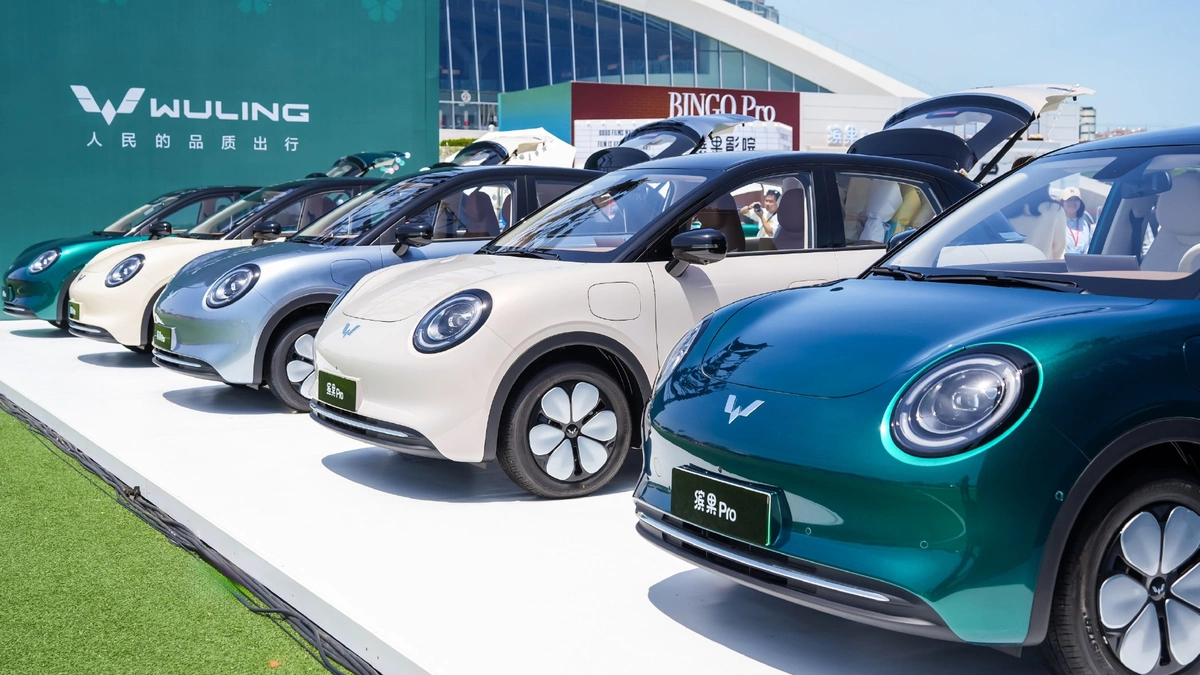
Brazil has seen a surge in EV adoption, led largely by Chinese manufacturers like BYD and GWM. The introduction of a Chevrolet-branded Bingo Pro would allow GM to compete directly with the BYD Seagull (known as the Dolphin Mini in some markets). Mexico, meanwhile, serves as both a massive consumer market and a potential near-shoring manufacturing hub. A low-cost Chevrolet EV could capitalize on the growing middle-class demand for modern tech at sub-$20,000 price points.
Southeast Asia
In countries like Vietnam, Indonesia, and Thailand, the EV landscape is shifting rapidly. While VinFast dominates in Vietnam, and Japanese brands maintain a hold on the internal combustion engine (ICE) market, there is a vacuum for affordable, high-quality electric hatchbacks. The Bingo Pro, with its retro-modern styling and five-door practicality, is well-suited for the narrow streets and high-density urban centers of Southeast Asia.
Africa
Though EV infrastructure in Africa is in its infancy, countries like South Africa, Kenya, and Morocco are making strides. A durable, simple, and affordable EV like the Bingo Pro could serve as an ideal corporate fleet vehicle or an urban taxi, provided the charging infrastructure continues to expand.
Technical and Aesthetic Adjustments for Global Markets
While the core mechanical components of the Bingo Pro would remain largely unchanged, a Chevrolet-branded version would undergo specific localized refinements. These typically include:
- Safety Enhancements: To meet international safety standards (such as Latin NCAP), GM may need to reinforce structural components or add additional airbags and electronic stability control systems that might be optional in the Chinese domestic version.
- Exterior Styling: The "V-shaped" grille and light signatures of the Wuling might be modified to align with Chevrolet’s current global design language, seen on models like the Equinox EV or the Blazer EV.
- Infotainment and Connectivity: The software interface would be localized, likely integrating Chevrolet’s Infotainment System with support for Apple CarPlay and Android Auto—features that are essential for younger demographics in international markets.
Competitive Landscape and Implications
The primary challenge for General Motors will be the aggressive expansion of BYD. The BYD Seagull has already set a high bar for what a budget EV can offer in terms of range and build quality. For the Chevrolet Bingo Pro to succeed, GM must leverage its superior after-sales support and parts availability—areas where Chinese newcomers often face logistical hurdles.
Furthermore, the "Bingo Pro" rebadge signals a shift in GM’s global identity. It suggests that the company is willing to embrace its Chinese partnerships as a primary engine for global growth, rather than relying solely on its US-developed Ultium platform, which is currently geared toward larger, more expensive SUVs and trucks.
Economic Impact and Future Outlook
From an economic standpoint, the production of the Bingo Pro through the SGMW joint venture offers economies of scale that are difficult to replicate in North American or European factories. The use of LFP batteries is a key component of this, as they avoid the high costs associated with nickel and cobalt.
As the global automotive industry moves toward a bifurcated future—high-end luxury EVs in developed markets and affordable mass-market EVs in emerging ones—General Motors is positioning itself to play in both arenas. The potential launch of the Chevrolet-branded Bingo Pro represents a pragmatic acknowledgment that the road to global EV leadership must pass through the high-volume, price-sensitive markets of the developing world.
If the project moves forward as anticipated, an official announcement could come within the next fiscal year, with the first export units potentially hitting international showrooms by late 2025 or early 2026. This timeline would allow GM to maintain momentum in the EV race, ensuring that the Chevrolet brand remains relevant in an era where the internal combustion engine is slowly but surely being phased out of urban centers worldwide.
The success of this venture will likely determine the roadmap for future collaborations between GM and its Chinese partners. If the Bingo Pro thrives as a Chevrolet, it may pave the way for a whole family of small, affordable electric vehicles that can bring sustainable transportation to millions of people across three continents.