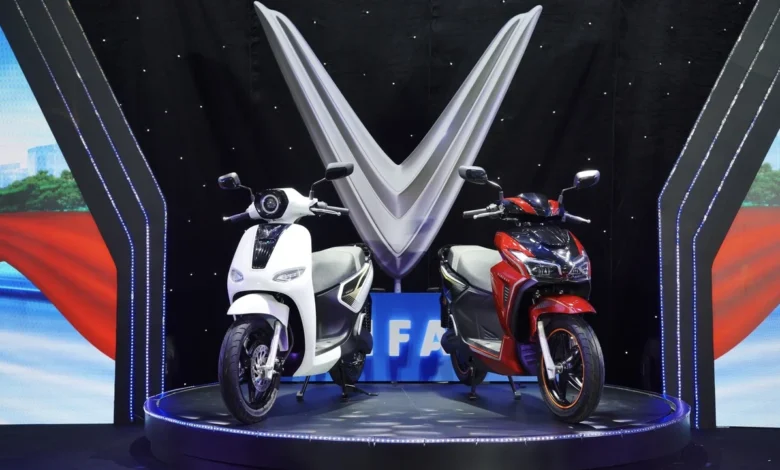
The Vietnamese electric vehicle pioneer, VinFast, has officially expanded its two-wheeler portfolio with the introduction of two new electric motorcycle models, the Kyo and the Kinet, during a high-profile launch event held in Ho Chi Minh City on July 20. These new additions represent a strategic effort by the manufacturer to capture a broader demographic of urban commuters by offering distinct design philosophies—one focused on elegance and neutrality, the other on sportiness and performance. With a starting price of 30 million VND, these models are positioned to compete directly with popular internal combustion engine (ICE) scooters, signaling a major push toward the electrification of Vietnam’s massive motorcycle market.
The launch event in Ho Chi Minh City served as a platform for VinFast to showcase its latest advancements in battery technology and urban mobility. Both the Kyo and Kinet are built around a versatile battery architecture that supports the company’s signature battery-swapping system. This system allows customers to choose between two ownership models: a battery subscription service, which lowers the initial purchase price, or an outright purchase of the vehicle including the battery pack. This flexibility is central to VinFast’s strategy to lower the barrier to entry for electric vehicle (EV) adoption in a market traditionally dominated by Japanese gasoline-powered brands.
Design Philosophy and Aesthetic Appeal
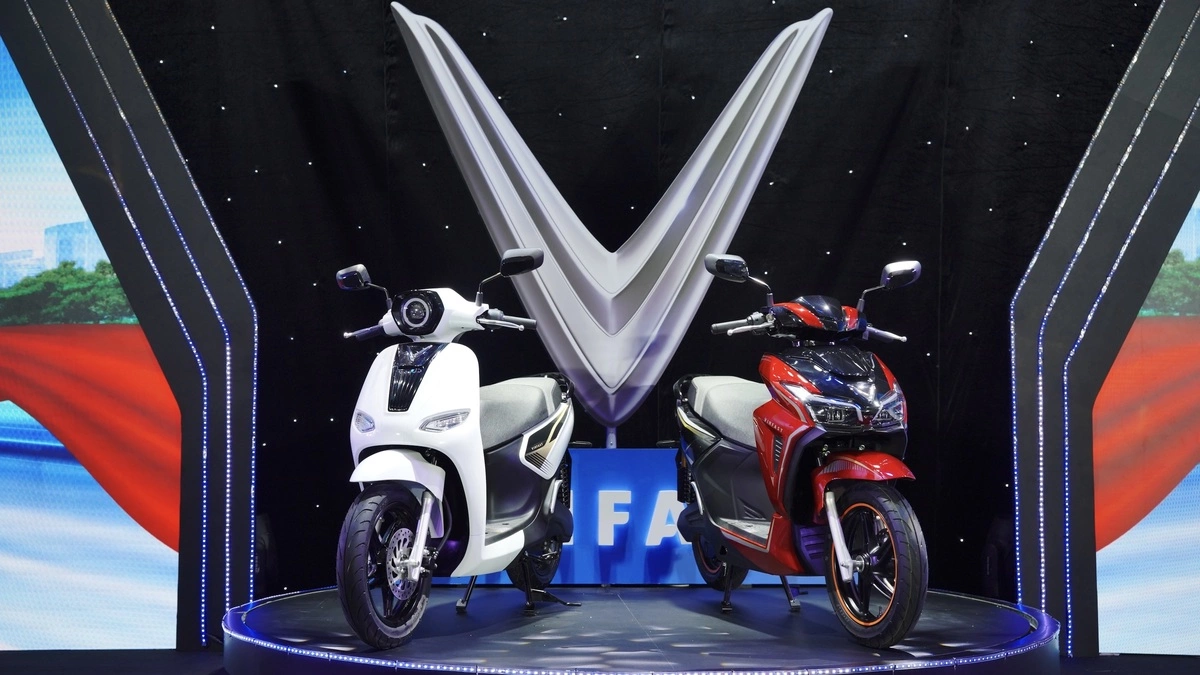
The VinFast Kyo is designed with a focus on grace and fluidity, featuring a neutral aesthetic that leans toward a female demographic or those seeking a sophisticated urban look. The front-end design of the Kyo draws inspiration from the previously released Vero X, a model priced from 34.9 million VND, but distinguishes itself with a unique central decorative panel that serves as a focal point. The bodywork is characterized by slim, tapered lines that flow toward the rear, culminating in a sleek LED tail light strip.
In contrast, the VinFast Kinet adopts a much more aggressive and masculine stance. Its angular lines and sharp edges are reminiscent of the Viper model, targeting younger male riders who prioritize a sporty appearance and a more engaging riding experience. The Kinet is slightly larger than its predecessors, such as the Viper, which measures 1,907 x 692 x 1,135 mm with a wheelbase of 1,320 mm. The Kinet’s increased dimensions provide a more commanding presence on the road while maintaining the agility required for dense city traffic.
Technical Specifications and Performance
The technical capabilities of the two models highlight VinFast’s commitment to providing diverse performance tiers. The Kyo is equipped with an in-hub motor, integrated directly into the rear wheel axle. This motor delivers a nominal power output of 1,800 W, with a peak capacity of 3,000 W. This setup allows the Kyo to reach a top speed of 64 km/h. In terms of acceleration, the Kyo is tuned for smoothness rather than raw power, taking approximately 16 seconds to reach 50 km/h from a standstill. This performance profile is specifically calibrated for the stop-and-go nature of metropolitan commuting.
The Kinet, however, is engineered for those seeking higher performance. While it shares many standard features with the Kyo, its motor is significantly more powerful. The Kinet’s motor boasts a nominal power of 3,000 W and a peak output of 5,200 W. This increased power translates to a much more responsive ride, with the ability to accelerate from 0 to 50 km/h in under 6 seconds. The Kinet also offers a higher top speed of 90 km/h, making it suitable for larger arterial roads and faster-moving traffic.
In terms of dimensions, the Kyo measures 1,999 x 694 x 1,130 mm with a wheelbase of 1,360 mm and a ground clearance of 160 mm. The seat height is set at 785 mm, providing an accessible riding position for most users. The Kinet is slightly longer and wider, measuring 2,021 x 713 x 1,135 mm, but shares the same 1,360 mm wheelbase. Both models are equipped with 14-inch wheels, front disc brakes, and rear drum brakes to ensure reliable stopping power.
Energy Management and Storage Solutions
A critical aspect of the Kyo and Kinet is their energy storage and utility features. Both models feature a 21-liter under-seat storage compartment. This capacity is sufficient to house a half-face helmet along with several small personal items, offering more storage space than the popular Honda Vision, which provides 18 liters.
The Kyo is powered by a dual-battery system that provides a maximum range of 160 km on a single charge. This extended range is a key selling point for urban dwellers who may not have daily access to charging points. The Kinet uses two 1.5 kWh batteries, which provide a slightly shorter range of 145 km due to the vehicle’s higher power consumption and performance-oriented tuning.
Both models utilize VinFast’s LFP (Lithium Iron Phosphate) battery technology, which is known for its safety, longevity, and thermal stability. The integration of these batteries into VinFast’s wider charging and swapping network is a significant advantage. Users can either charge the batteries at home using a standard outlet or swap depleted batteries for fully charged ones at thousands of stations located at supermarkets, shopping malls, and apartment complexes across Vietnam.
Market Positioning and Pricing Strategy
VinFast has strategically priced the Kyo and Kinet to disrupt the traditional dominance of gasoline-powered scooters in Vietnam. The Kyo is priced at 30 million VND under the battery subscription model and 35.3 million VND for the version including the battery. This puts it in direct competition with the Honda Vision, the best-selling scooter in Vietnam, which currently retails between 31.5 and 36.8 million VND. By matching or undercutting the price of the market leader while offering lower operating costs, VinFast aims to make the transition to electric mobility a logical financial choice for consumers.
The Kinet is positioned at a higher price point, reflecting its superior performance and larger size. It is priced at 40 million VND with a battery subscription or 49.9 million VND with the battery included. This places the Kinet as a formidable alternative to established mid-range gasoline scooters such as the Honda Vario 160 (starting at 40.9 million VND) and the Honda Air Blade (ranging from 42.4 to 58.8 million VND).
Context and Broader Industry Implications
The launch of the Kyo and Kinet is part of a broader chronology of VinFast’s rapid expansion in the electric two-wheeler segment. Since the debut of the Klara in 2018, VinFast has consistently iterated on its designs and technology. The introduction of these two new models follows the success of the Evo200, Feliz S, and Vento S, which helped VinFast secure a significant share of the domestic electric motorcycle market.
This move also aligns with the Vietnamese government’s environmental goals. Vietnam has committed to achieving net-zero emissions by 2050, and the transportation sector is a primary focus for decarbonization. As the fourth-largest motorcycle market in the world, Vietnam’s transition from ICE to electric two-wheelers is crucial for reducing urban air pollution and dependence on fossil fuels.
Industry analysts suggest that VinFast’s dual-model strategy—targeting both the "neutral/feminine" and "sporty/masculine" segments simultaneously—is a calculated move to maximize market penetration. By offering vehicles that cater to different lifestyles and aesthetic preferences, VinFast is effectively blanketing the most popular price brackets of the scooter market.
Infrastructure and Consumer Adoption
The success of the Kyo and Kinet will likely depend on the continued expansion of VinFast’s supporting infrastructure. As of mid-2024, VinFast has deployed over 150,000 charging ports across 63 provinces and cities in Vietnam. The company’s battery-swapping stations are a unique differentiator, addressing "range anxiety"—the fear that an electric vehicle will run out of power before reaching a destination or charging point.
Furthermore, the "Smart" features included in both models, such as the TFT instrument cluster and smart key system, offer a level of technology often missing in entry-level gasoline scooters. These features, combined with the ability to track vehicle health and locate charging stations via a smartphone app, appeal to the tech-savvy younger generation in Vietnam.
Conclusion
The introduction of the VinFast Kyo and Kinet marks a significant milestone in the evolution of the Vietnamese automotive industry. By combining competitive pricing, robust technical specifications, and a sophisticated battery-swapping ecosystem, VinFast is not just launching new products; it is challenging the long-standing status quo of the motorcycle market. As these models begin to appear on the streets of Ho Chi Minh City and beyond, they will serve as a barometer for the pace of green transformation in one of the world’s most dynamic emerging economies. The Kyo and Kinet represent a clear signal that the era of electric mobility in Vietnam has moved beyond the niche phase and is now firmly entering the mainstream.