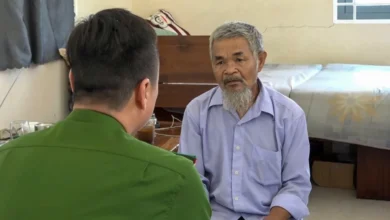
Immigration Authorities Receive 110 Vietnamese Citizens Deported from the United States Amid Crackdown on Illegal Entry Networks

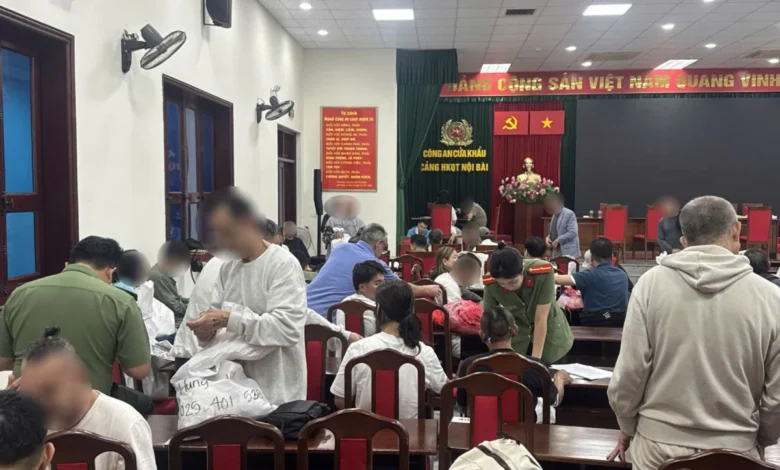
The Immigration Department under the Ministry of Public Security has officially completed the reception procedures for 110 Vietnamese citizens who were recently deported from the United States. This large-scale repatriation operation highlights the ongoing bilateral cooperation between Vietnamese and American authorities in managing immigration matters and curbing transnational smuggling networks. The individuals returned span across 17 different provinces and cities nationwide, presenting a complex logistical challenge for local authorities tasked with ensuring their safe return, reintegration, and further investigation into potential legal violations.
Breakdown of Repatriated Citizens Across Localities
According to official data provided by the Immigration Department, the 110 repatriated citizens originate from 17 distinct municipalities and provinces across Vietnam. Among them, Ho Chi Minh City accounts for the highest concentration with 42 individuals. Meanwhile, several other localities have reported significant numbers of returnees: An Giang, Dong Nai, and Khanh Hoa provinces each recorded 9 citizens, while Dong Thap province registered 7. The remaining individuals hail from various other provinces and cities throughout the country.
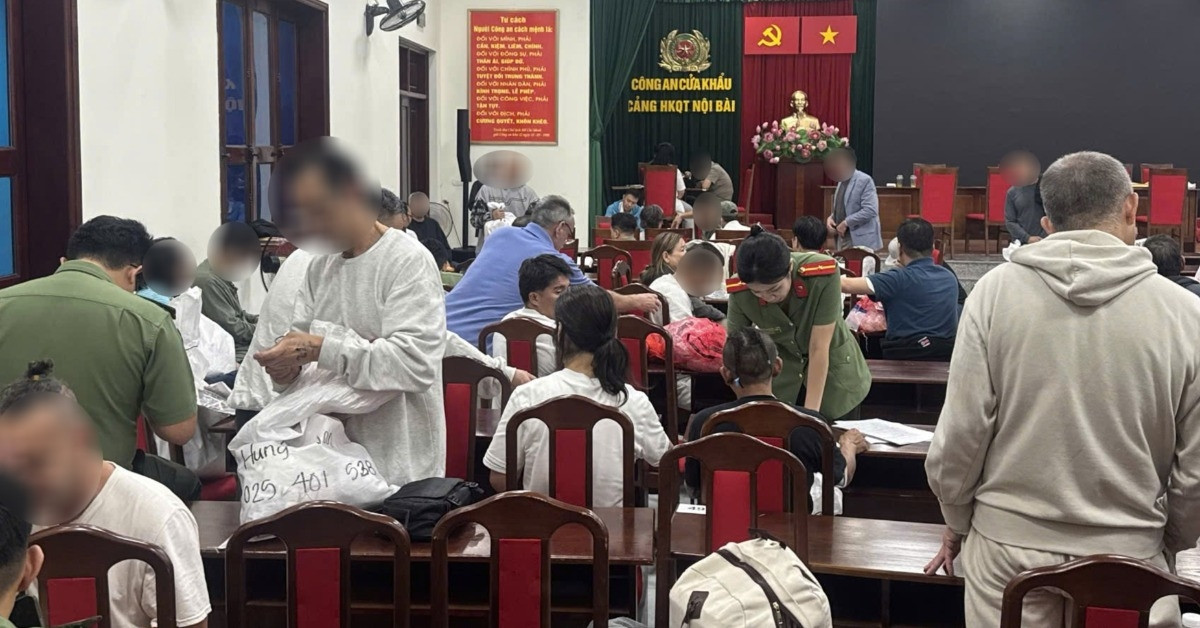
Following the initial handover, immigration officials coordinated closely with specialized professional units to conduct comprehensive screening processes. This involved rigorous verification and cross-referencing of personal information, background checks, and travel histories. To ensure a smooth and secure transition, the Immigration Department worked hand-in-hand with local police forces across the 17 affected provinces and cities to safely escort the citizens back to their respective places of permanent residence.
Uncovering Transnational Smuggling and Illegal Entry Rings
While processing the newly arrived groups, preliminary investigations conducted by Vietnamese law enforcement agencies have uncovered disturbing trends. Authorities revealed that several cases among the 110 deportees bear strong suspicious links to organized human smuggling syndicates operating illicit networks designed to facilitate illegal entry into the United States.
These underground pipelines typically exploit legal visa pathways or utilize complex, circuitous third-country routes to bypass standard border controls. The discovery of these potential links has prompted security agencies to launch deeper investigations. Law enforcement is currently working to dismantle the domestic and international touchpoints of these syndicates, aiming to prosecute key ringleaders and intermediaries who prey on vulnerable individuals seeking to relocate abroad through unlawful means.
Official Warnings and Recommendations from Immigration Authorities
In light of the increasing frequency of deportations and the sophisticated tactics employed by human traffickers, the Immigration Department has issued a strong public warning. Officials have strongly advised Vietnamese citizens who intend to travel to the United States—whether for educational pursuits, employment, tourism, or permanent settlement—to thoroughly research and strictly comply with the immigration, residency, and legal frameworks of the host country.
Furthermore, authorities emphasized the dangers of placing trust in unverified organizations, brokers, or individuals offering guaranteed overseas placement, unauthorized entry assistance, or irregular residency services. Falling prey to these illicit promises not only results in severe financial losses but also exposes individuals to severe legal consequences, deportation, and long-term bans from international travel. The Department reiterated that citizens should exclusively utilize official, legal channels for studying, working, and migrating abroad to safeguard their rights and prevent legal risks.
Broader Context of US-Vietnam Repatriation Efforts
This recent repatriation of 110 citizens is part of a broader, sustained cooperative framework between the governments of Vietnam and the United States regarding immigration compliance and law enforcement. In recent months, Vietnamese authorities have systematically processed multiple groups of citizens returned from American soil. For instance, earlier operational updates noted similar procedures, such as the handling of 47 Vietnamese citizens who were flown back and processed at Noi Bai International Airport in Hanoi through joint efforts involving the Ho Chi Minh City Police and national security units.
The systematic return of foreign nationals who have violated US immigration laws reflects Washington’s ongoing enforcement priorities concerning border security and the removal of individuals lacking legal status. At the same time, Vietnam’s Ministry of Public Security remains committed to fulfilling its international obligations by accepting returning citizens, while concurrently cracking down on domestic human smuggling rings that profit from facilitating illegal migration.

Socio-Economic Implications and Reintegration Challenges
The return of substantial numbers of deportees poses multifaceted challenges for local governance and socio-economic stability within the affected communities. Many individuals who attempt unauthorized migration often invest substantial financial resources—frequently accumulating heavy debts through informal loans or mortgaging family property to pay exorbitant smuggling fees.
Upon deportation, these individuals frequently return empty-handed, facing immediate financial distress alongside social stigma and the psychological burden of failed migration attempts. Local authorities in provinces such as Ho Chi Minh City, An Giang, Dong Nai, Khanh Hoa, and Dong Thap are increasingly tasked with addressing these reintegration hurdles. Beyond mere legal processing, community-level interventions are often required to evaluate the economic vulnerabilities of returnees, help them stabilize their livelihoods, and discourage repeat attempts at illegal migration.
As global immigration policies tighten and enforcement mechanisms become increasingly digitized and rigorous, the case of these 110 citizens serves as a stark reminder of the legal perils associated with undocumented migration. Vietnamese law enforcement agencies have signaled that intelligence-sharing and cross-border cooperation with international partners will continue to intensify, aiming to dismantle unlawful trafficking networks at their roots and protect citizens from the severe hazards of illegal border crossings.