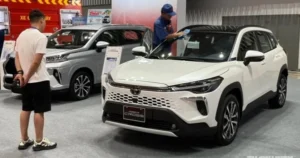
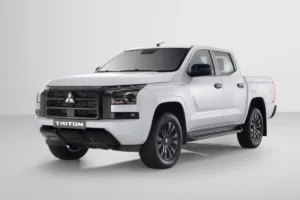
Vietnam’s electric vehicle market intensifies as Tesla officially registers its presence in the country.

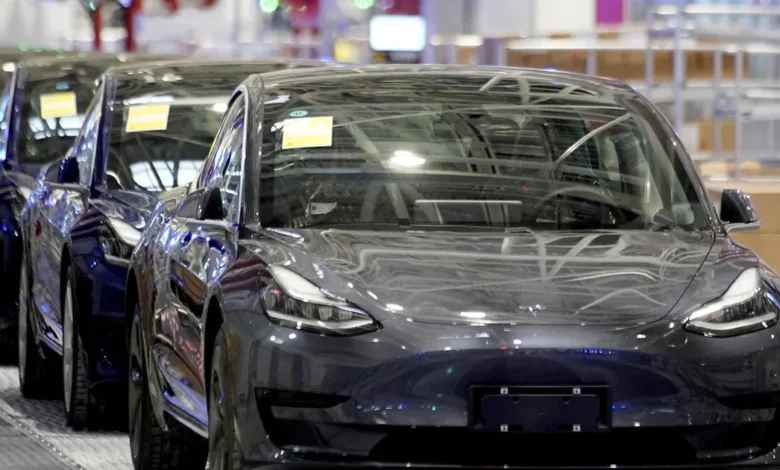
The Vietnamese automotive landscape is undergoing a profound transformation as the nation solidifies its position as the largest electric vehicle (EV) market in Southeast Asia. According to data from the International Energy Agency (IEA), the adoption rate of electric vehicles in Vietnam saw a staggering year-over-year increase in 2025, with EVs now accounting for nearly 40% of all new car sales—significantly outperforming the global average of approximately 25%. This rapid acceleration has transformed the country into a strategic focal point for global automotive manufacturers, the latest of which is the American electric vehicle giant, Tesla.
A Formal Entry into the Market
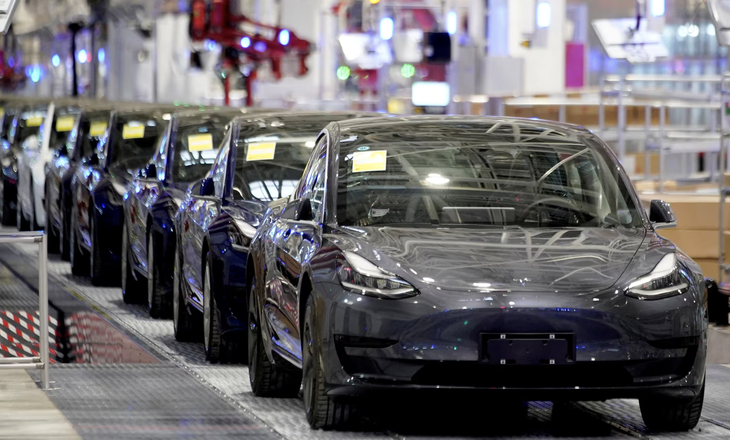
On September 11, 2026, Tesla officially registered its presence in Vietnam by establishing Tesla Motors Vietnam Co., Ltd. Based in Ho Chi Minh City, the entity was incorporated with an initial registered charter capital of 77.667 billion VND, equivalent to approximately 3 million USD. The scope of the business registration is comprehensive, covering the wholesale and retail of automobiles, vehicle components, machinery, and industrial equipment, as well as import-export activities and distribution services.
While Tesla has yet to release a detailed operational roadmap or specific timelines for showroom launches and charging infrastructure development, the legal incorporation marks a pivotal milestone. It signals the company’s intent to move beyond speculative interest and into active market participation, potentially challenging the existing dominance of local and regional players.
The Competitive Landscape: A Multi-Brand Environment
Tesla enters a market that is already witnessing a diverse and aggressive influx of international brands. Long before Tesla’s arrival, the Vietnamese market was characterized by a bifurcated approach to electrification. Traditional industry stalwarts—including Toyota, Honda, Suzuki, and Lexus—have largely focused their regional strategies on hybrid technology, catering to consumers who remain hesitant about the transition to full battery electric vehicles (BEVs).
In contrast, brands such as Hyundai, Mercedes-Benz, Porsche, and a growing cohort of Chinese manufacturers have moved directly into the pure-EV segment. Among these, the Chinese manufacturer BYD has emerged as a formidable competitor. Since launching its commercial sales operations in mid-2024, BYD has seen exponential growth. In 2025, its first full year of operations in Vietnam, the company recorded 3,718 vehicle sales—a seven-fold increase compared to the 485 units sold in the latter half of 2024. By February 2026, the company had already surpassed the 5,000-unit milestone, demonstrating the high velocity of consumer demand for affordable, tech-forward electric mobility.
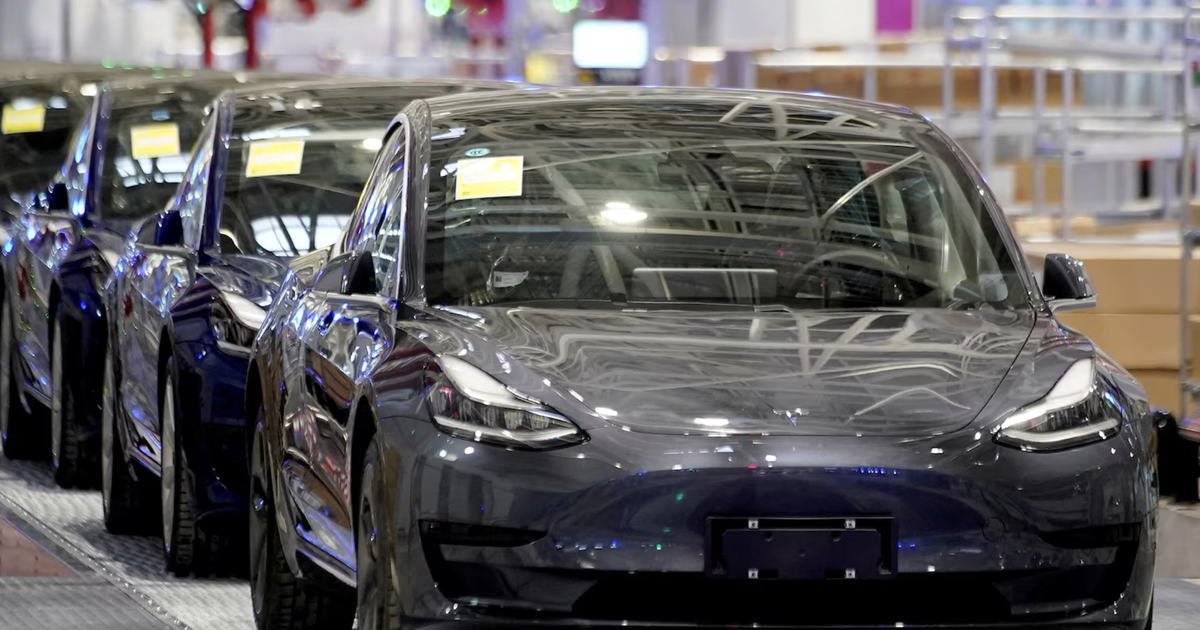
Hyundai has similarly integrated itself into the local supply chain by introducing the Ioniq 5, which is now assembled domestically. Distributed through Hyundai Thanh Cong, the model has been a fixture in the local market since 2023, serving as a bellwether for how legacy automakers can successfully transition to local production to maintain price competitiveness.
Other Chinese entrants, such as Omoda & Jaecoo, are also expanding their footprint. In 2025 alone, these brands moved approximately 3,000 units, offering a wide spectrum of choices ranging from plug-in hybrids to pure electric models. Omoda & Jaecoo have already signaled long-term commitment through a joint venture with local partners to construct a manufacturing facility in Hung Yen province. Similarly, Geely has announced its own strategic plans for local assembly, further intensifying the competition for domestic market share.
Market Dynamics and Economic Projections
The surge in interest from international OEMs is not accidental. According to projections by Mordor Intelligence, the Vietnamese electric vehicle market is forecasted to grow at a compound annual growth rate (CAGR) of 18.95% during the 2026–2031 period. Market value is expected to climb from approximately 3.71 billion USD in 2026 to 8.84 billion USD by 2031.
Several factors are fueling this growth. The expansion of domestic production capabilities, coupled with substantial foreign direct investment (FDI) in manufacturing plants and a gradual decline in battery costs, is making EVs increasingly accessible to the Vietnamese middle class. Furthermore, government policies aimed at promoting green energy and reducing carbon emissions are providing the necessary regulatory tailwinds to support the infrastructure required for mass adoption.
The Role of Domestic Industry Leaders
Despite the influx of international competition, VinFast remains the clear leader in the domestic market. As a homegrown pioneer, the company has invested heavily in creating a comprehensive ecosystem that includes charging stations, battery leasing options, and a broad network of service centers.
In 2025, VinFast achieved a record-breaking performance, delivering 175,099 electric vehicles—the highest annual volume since its inception. This marked the second consecutive year of dominant market leadership. The momentum has continued into 2026; in the first eight months of the year, the company delivered 154,073 units, with August alone accounting for 20,161 vehicles. VinFast’s ability to scale production while maintaining strong domestic brand loyalty has set a high bar for incoming international competitors.
Implications of Increased Competition
The entry of Tesla and the continued expansion of Chinese and South Korean brands signify that the Vietnamese market is entering a phase of mature, diverse competition. For the consumer, this translates to a wider array of choices in design, software integration, and price points.
For the industry, the implications are twofold. First, the competition is forcing a race to the bottom regarding costs, as brands compete to offer the most value for money. Second, it is compelling manufacturers to prioritize the "ecosystem experience." It is no longer sufficient to simply sell a car; companies must now compete on the efficiency of their charging networks, the sophistication of their autonomous driving features, and the quality of their after-sales support.
From a macroeconomic perspective, this influx of global players is expected to boost Vietnam’s automotive manufacturing capabilities. The commitment of companies like Geely and the joint ventures formed by Omoda & Jaecoo suggests that Vietnam is being viewed not just as a consumer market, but as a potential regional manufacturing hub. This shift could lead to significant job creation, technology transfer, and the development of a localized supply chain for automotive components, specifically batteries and semiconductors.
Challenges Ahead
Despite the optimism, the market faces significant hurdles. The rapid growth of EV sales is putting pressure on the existing power grid and charging infrastructure. While the government has expressed support for the green transition, the pace of infrastructure development must align with the pace of vehicle adoption to avoid a bottleneck. Additionally, as more brands enter the fray, the market may see a period of consolidation, where smaller or less competitive brands struggle to sustain their operations against the economies of scale enjoyed by giants like Tesla, BYD, and VinFast.
In conclusion, the entry of Tesla into Vietnam is more than just the arrival of a new brand; it is a validation of Vietnam’s status as a top-tier destination for the global electric vehicle industry. As the nation balances the rapid growth of its domestic champion with the arrival of aggressive international competitors, the coming years will likely define the long-term trajectory of Southeast Asia’s most promising automotive market. The competition will undoubtedly drive innovation, lower barriers to entry for consumers, and solidify Vietnam’s role in the global transition toward sustainable transportation.