Thailand Prime Minister Anutin Charnvirakul Issues Stern Warning to Foreign Nationals Over Legal Violations and Illegal Land Control

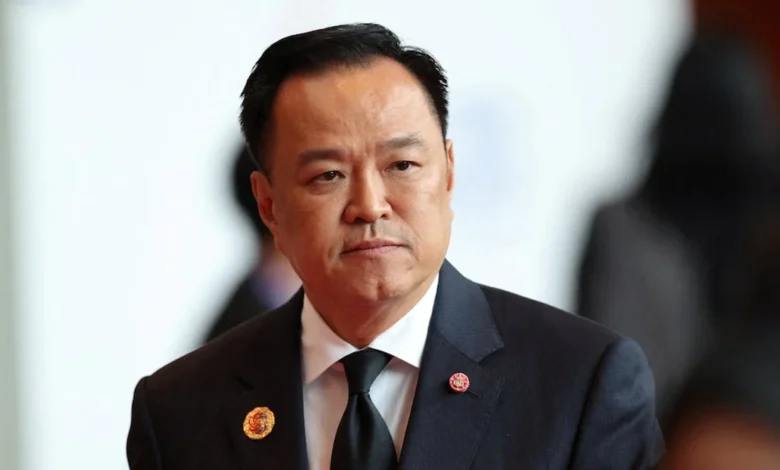
Prime Minister Anutin Charnvirakul of Thailand has delivered an uncompromising and remarkably forthright warning directed at foreign nationals residing within the kingdom. Speaking before provincial governors and high-ranking local administrators during a high-stakes security conference held in the capital of Nonthaburi, the Thai leader underscored the government’s zero-tolerance approach toward criminal activity, immigration non-compliance, and the unauthorized appropriation of local resources by expatriates and foreign visitors.
The remarks, which quickly circulated across local media outlets such as Khaosod, mark a distinct escalation in Bangkok’s official rhetoric regarding national security, public safety, and the preservation of domestic sovereignty. The Thai government’s renewed administrative vigor arrives as tourism hubs and regional provinces report rising friction between local communities and transient foreign populations, prompting authorities to deploy targeted crackdowns across the nation.
A Striking Warning Against Unlawful Activity
In his address to provincial leaders, Prime Minister Anutin utilized an unusually blunt and graphic idiom to convey his administration’s expectations for foreign visitors. "If you come here, make a living honestly," the Prime Minister stated. "And if you are about to die, go back home to die. People do not need to come here to die."
While the phrasing generated immediate media attention, administration officials clarified that the statement served as a severe rhetorical device emphasizing that Thailand will not serve as a safe haven or an alternative jurisdiction for individuals seeking to circumvent international law, evade domestic prosecution, or establish unauthorized commercial and religious enclaves. The Prime Minister specifically drew attention to alarming trends involving foreign nationals attempting to bypass regulatory frameworks to establish private cemeteries, unregistered religious facilities, and illicit business operations.
Elaborating on the administrative violations, Mr. Anutin focused sharply on the surreptitious establishment of unauthorized houses of worship. "You cannot just arbitrarily decide to set up a religious facility wherever you please," he emphasized, reminding local administrators that all community and religious projects must strictly align with domestic zoning laws and respect the cultural traditions and social norms of Thai society.
The Prime Minister further detailed a specific breach wherein a religious facility had been covertly established inside a commercial venue that was officially registered and licensed merely as a standard restaurant. In response to these recurring regulatory evasions, Mr. Anutin confirmed that he has already signed a series of formal ministerial orders empowering regional governors and provincial law enforcement agencies with robust legal instruments to prosecute and expel non-compliant individuals swiftly.
Crackdown on Illegal Land Ownership and Front Companies
Beyond religious and cultural transgressions, the Thai premier’s directives address deep-seated economic concerns regarding the exploitation of Thai legal loopholes by foreign entities. The government has ordered provincial governors to initiate comprehensive, nationwide investigations into foreign nationals suspected of operating as economic proxies—colloquially known as "nominees"—to hold land titles, control agricultural property, and manage commercial enterprises on behalf of foreign principals without proper licensure or authorization.
Thai law strictly regulates foreign land ownership, restricting direct property acquisition by non-citizens under most circumstances. However, enforcement gaps have historically permitted unscrupulous actors to utilize Thai citizens as front figures to acquire real estate, establish unauthorized businesses, and engage in commercial competition that bypasses corporate taxation and regulatory oversight. Prime Minister Anutin made it clear that transforming Thai territory into operational bases for illegal enterprises will no longer be tolerated.
The wide-ranging investigations are mandated to target multiple categories of illicit activity:
- Unauthorized Land Control: Identifying and seizing property acquired illegally through Thai proxy arrangements.
- Clandestine Commercial Operations: Uncovering businesses operating without commercial registration, work permits, or corporate tax compliance.
- Aggressive and Intimidating Behavior: Cracking down on foreign individuals or groups exhibiting hostile demeanor, threatening local residents, or displaying disregard for local customs.
"We will show no leniency toward individuals who exhibit aggressive behavior, issue threats, intimidate local citizens, or display substandard conduct," Mr. Anutin stated, warning that perpetrators will face the most stringent punitive measures permitted under Thai jurisprudence.
Contextual Background: Balancing Hospitality and Law Enforcement
Thailand’s economy remains deeply reliant on international tourism, foreign investment, and expatriate residency. Millions of visitors enter the kingdom annually, contributing significantly to the national gross domestic product and sustaining regional employment across bustling metropolitan centers, coastal islands, and rural heritage destinations. For decades, the nation has cultivated an international reputation for hospitality, cultural warmth, and openness to travelers from across the globe.
However, in the wake of pandemic-era economic shifts and evolving geopolitical dynamics, successive Thai administrations have observed an influx of transnational criminal networks, illegal migration channels, and organized crime syndicates attempting to exploit local administrative vulnerabilities. High-profile incidents involving foreign criminal gangs operating grey-market businesses, telecommunications scam centers, unauthorized tour operations, and violent altercations in premier tourist destinations have galvanized public and political demand for stricter law enforcement.
The current administration’s hardline stance is designed to strike a delicate balance: preserving the nation’s vital tourism pipeline while simultaneously restoring public order and asserting undisputed state sovereignty. Government policy explicitly distinguishes between law-abiding expatriates and tourists who respect local laws versus transient elements that engage in illicit conduct.
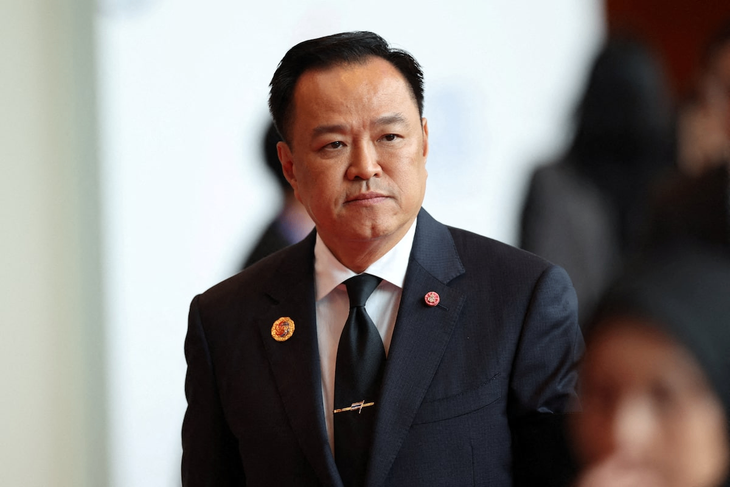
"Thailand continues to keep its doors wide open to foreign visitors who arrive legally, respect our laws, and honor our customs, traditions, and culture," the Prime Minister reaffirmed toward the conclusion of his briefing.
Implementation and Regional Implications
Following the Prime Minister’s directives, provincial authorities across Thailand’s 77 provinces have been instructed to coordinate closely with the Immigration Bureau, the Royal Thai Police, and the Ministry of Interior. Enhanced inter-agency cooperation aims to streamline the identification, apprehension, and deportation processes for foreign nationals found in violation of visa conditions or criminal statutes.
In prominent tourism hotspots such as Phuket, Chiang Mai, Pattaya, and Bangkok, local police divisions have already reported intensified patrols, increased inspections of foreign-owned commercial establishments, and stricter audits of long-term visa holders. These operational measures are supported by digital tracking initiatives designed to monitor suspicious financial transactions and property transactions linked to suspected proxy structures.
Legal experts and regional analysts note that while the rhetoric employed by leadership is remarkably severe, its primary objective is deterrence. By signaling absolute intolerance at the highest levels of government, Bangkok aims to discourage transnational offenders from utilizing Thailand as a strategic operational base.
As these sweeping enforcement campaigns gain momentum, foreign residents and upcoming travelers are advised to ensure strict adherence to Thai visa regulations, commercial licensing laws, and cultural protocols. The government’s message remains unequivocal: while Thailand welcomes the global community with traditional warmth, the era of administrative leniency for unlawful conduct has officially concluded.