The global landscape of industrial automation is undergoing a profound transformation as humanoid robots transition from experimental prototypes to functional members of the modern workforce. Across manufacturing hubs in the United States, China, and beyond, these advanced machines are being integrated into complex supply chains, assembly lines, and warehouse environments to address labor shortages and enhance operational efficiency. By leveraging cutting-edge Artificial Intelligence (AI), computer vision, and sophisticated mechatronics, these robots are no longer confined to repetitive tasks but are beginning to demonstrate adaptability in dynamic, real-world settings.
The Rise of the Industrial Humanoid
Historically, industrial automation was defined by stationary, single-purpose robotic arms. The current generation of humanoid robotics, however, is designed for versatility. These machines are equipped with neural networks that allow them to perceive their environment, recognize objects, navigate complex obstacles, and perform human-centric tasks. While American startups have been pivotal in developing the foundational AI models and high-level software frameworks, Chinese enterprises have scaled production at an unprecedented rate, reportedly accounting for over 80% of the humanoid robots currently in operation globally.
This shift is driven by the urgent need to maintain 24/7 production cycles, reduce overhead costs, and mitigate the risks associated with manual labor in hazardous or ergonomically challenging environments. As hardware costs decline and AI models become more adept at processing natural language and visual cues, the threshold for widespread adoption is rapidly dropping.
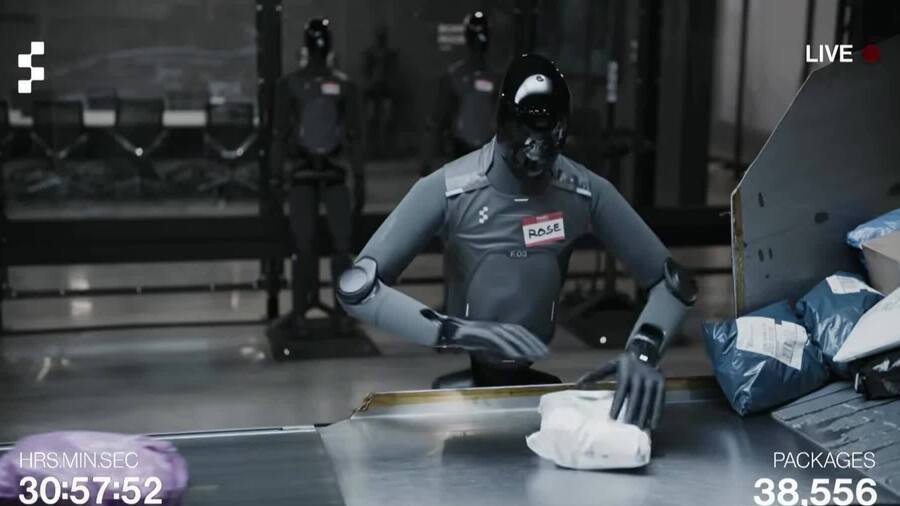
Figure AI: Bridging the Gap Between Lab and Factory
Figure AI has emerged as a leader in the race to deploy general-purpose humanoids. Its flagship model, Figure 02, serves as a testament to the transition from stage-managed demonstrations to functional manufacturing integration. During an 11-month pilot program at BMW’s manufacturing facility in Spartanburg, South Carolina, Figure 02 logged over 1,250 operational hours. During this tenure, the robot navigated roughly 320 kilometers within the facility, assisting in the production of over 30,000 vehicles and managing the handling of over 90,000 metallic components.
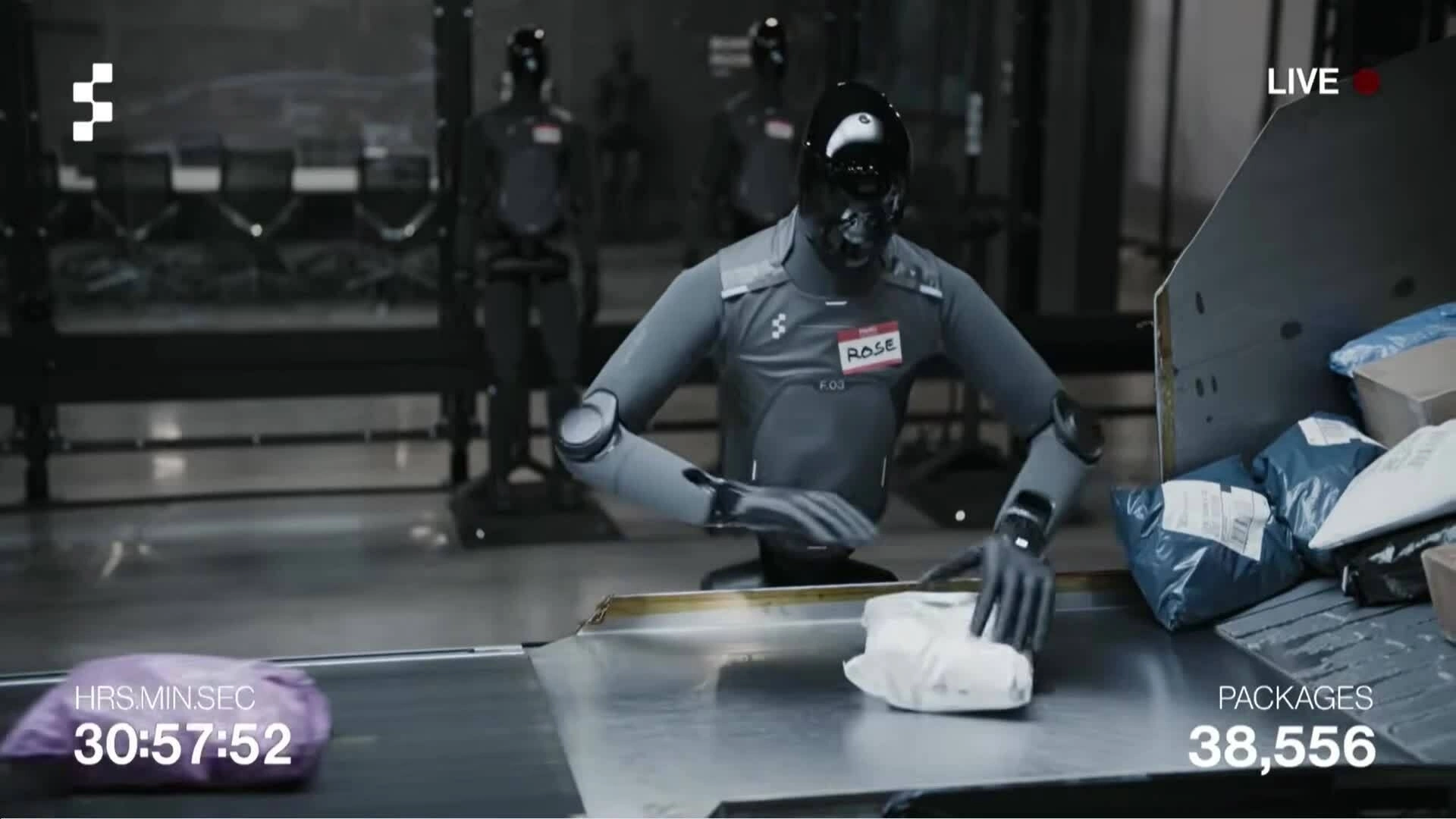
The data harvested from this deployment has been instrumental in the development of the upcoming Figure 03. This successor features the "Helix 02" AI system, designed to translate natural language instructions and visual inputs into complex physical actions. By demonstrating a fleet of Figure 03 robots working in tandem on a conveyor belt, the company has highlighted a future where robots can communicate and adjust their workflows in real-time, ensuring zero downtime in continuous production environments.
The Surge of Chinese Innovation
According to market research from Smart Analytics Global (SAG), China currently dominates the manufacturing volume of humanoid robots, representing approximately 97% of global output in the first half of the year.
Unitree Robotics, originally known for its high-speed quadrupedal machines, has rapidly pivoted to humanoids, securing 31% of the global market share with its G1 and H1 series. The G1, priced at an accessible entry point of approximately $13,500, is specifically targeting the research and development sector, universities, and technical laboratories. Beyond research, the firm’s technology is being tested in high-traffic environments, such as the Japan Airlines operations at Haneda Airport, where robots are tasked with the logistical challenge of handling passenger luggage and cargo.
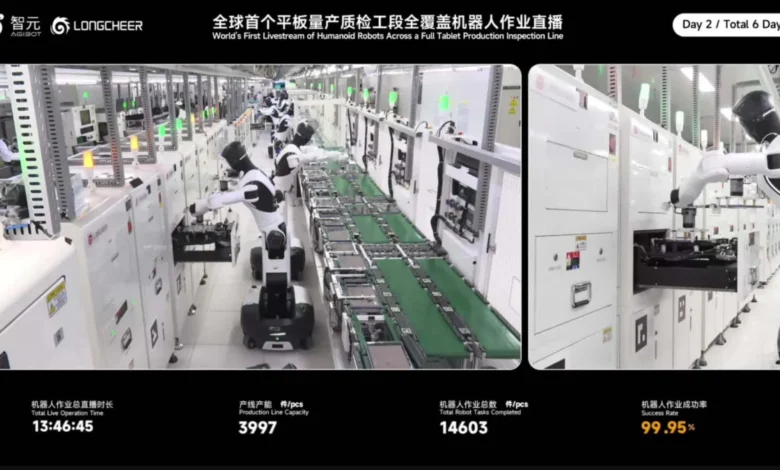
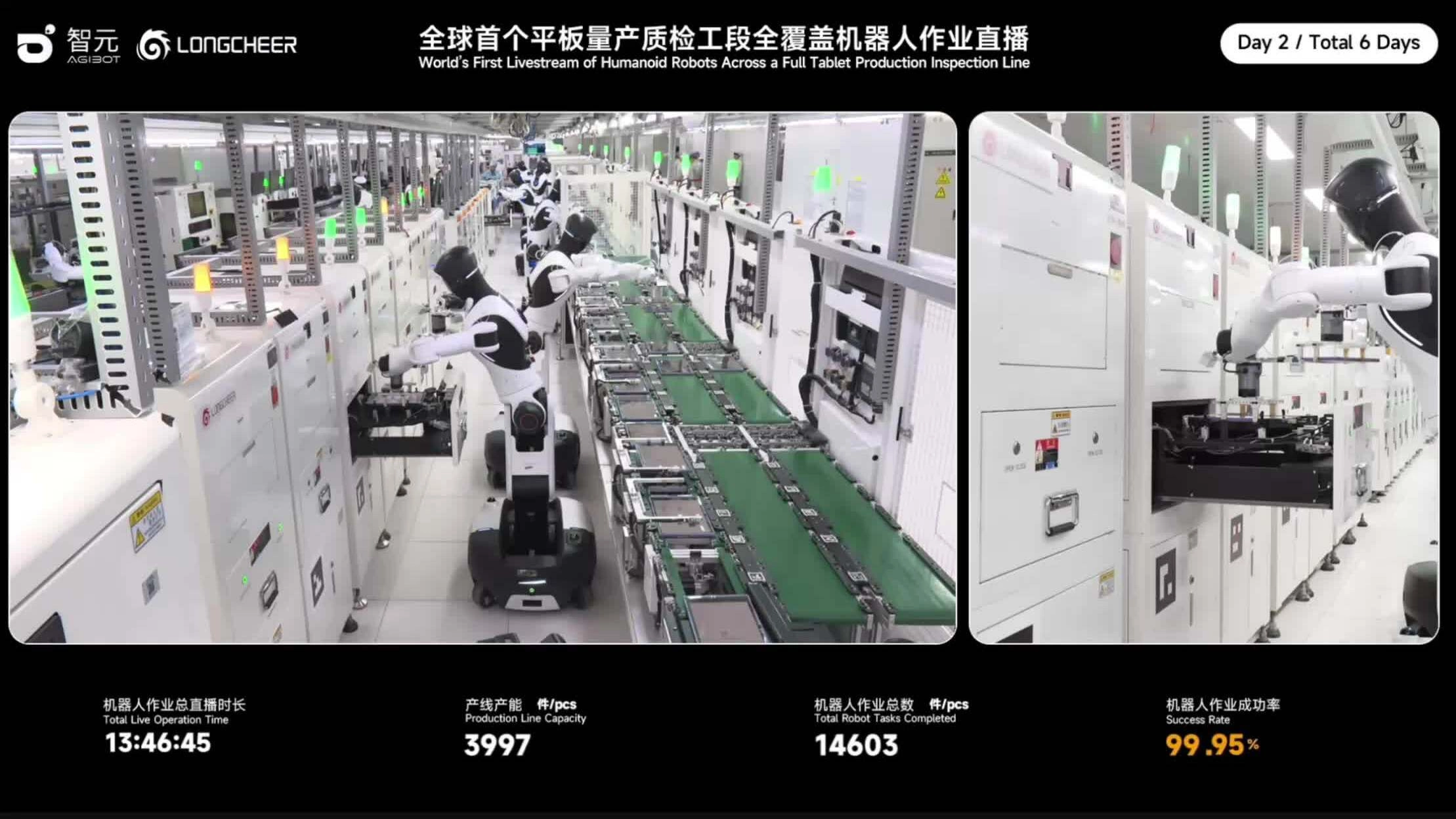
Similarly, AgiBot, a Shanghai-based newcomer founded in 2023, has experienced a staggering 562% growth in output compared to the previous year. Their G2 robot recently showcased its capabilities during a live demonstration at the Longcheer Technology factory in Nanchang. The robot performed precise assembly tasks, including component sorting and quality control inspections, with an accuracy rate reported at 99.95%. This level of precision suggests that the "uncanny valley" of robotic labor is being bridged by high-fidelity sensor arrays and rapid-response actuators.
The Role of Established Tech Giants
While startups lead in agility, established giants like Tesla and Boston Dynamics bring decades of manufacturing expertise to the table. Tesla’s Optimus program utilizes the same foundational technologies powering the company’s Full Self-Driving (FSD) stack, including advanced vision processing and neural network training. While the company has faced criticism for the pace of its initial manufacturing rollout, the integration of Optimus into Tesla’s own retail and assembly infrastructure represents a "dogfooding" strategy—using their own products to refine the technology before a full-scale market launch.
Boston Dynamics, now under the Hyundai Motor Group umbrella, continues to refine its Atlas platform. Atlas, which has transitioned from a hydraulic-powered acrobat to a fully electric, industry-ready worker, is slated for initial deployment at Hyundai’s Georgia Metaplant in 2028. The strategic vision for Atlas involves moving beyond simple material handling to complex assembly, with a target of full-scale integration by 2030.
Economic and Labor Implications
The introduction of humanoids into the workplace carries significant economic implications. Proponents argue that these machines provide a necessary solution to the "graying" workforce in developed nations, where the working-age population is shrinking. By offloading physically taxing and repetitive tasks—such as heavy lifting, sorting, and assembly line monotony—to robots, companies can potentially reallocate human workers to roles requiring higher cognitive function, empathy, and creative problem-solving.
However, critics and labor unions have raised concerns regarding the displacement of low-skilled workers. The transition period will likely be volatile, requiring a major overhaul in vocational training and education. Industry experts suggest that the immediate future will be characterized by a "cobot" (collaborative robot) model, where humans and machines work in close proximity rather than one replacing the other entirely.
Future Outlook and Challenges
Despite the rapid advancements, significant hurdles remain. Battery longevity, energy efficiency, and the ability to operate safely in unpredictable, unstructured environments remain the primary technical bottlenecks. While robots can excel in a controlled factory setting with pre-defined paths, their ability to navigate a chaotic warehouse floor alongside humans is still being refined.
Furthermore, the standardization of AI protocols across different robot manufacturers is essential for the industry to reach maturity. As seen in the recent developments from Apptronik—whose Apollo robot is being utilized by Google’s DeepMind to refine Gemini Robotics—the synergy between large language models and physical embodiment is the next frontier.
In conclusion, the era of the humanoid "industrial worker" has arrived. While they are currently in the pilot and early-deployment stages, the data gathered from these initial implementations is accelerating the iterative design process at an exponential rate. As manufacturing facilities continue to adopt these technologies, the global supply chain is set to become more resilient, efficient, and increasingly automated, fundamentally altering the definition of a "worker" in the 21st century. The path ahead will require a careful balance between the pursuit of technological efficiency and the social responsibility of managing the evolving labor market.