The international football landscape is set for a tumultuous two-week period as the September FIFA Days window arrives, bringing with it a mix of regional tournament drama, high-profile international retirements, and shifting tactical landscapes. From the inaugural FIFA ASEAN Cup 2026 to the final international bow of living legends and managerial debuts at the world’s elite levels, the upcoming slate of matches promises to be a pivotal chapter in modern football history.
The Inaugural FIFA ASEAN Cup 2026: A New Regional Chapter
The introduction of the FIFA ASEAN Cup 2026 marks a significant expansion of the global football governing body’s influence in Southeast Asia. This tournament features 14 national teams divided into two distinct groups, aiming to professionalize regional competition under the direct oversight of FIFA. Group A, featuring Indonesia, Malaysia, Bangladesh, and Singapore, is set to play at the historic Gelora Bung Karno Stadium in Jakarta, a venue capable of holding over 77,000 spectators.
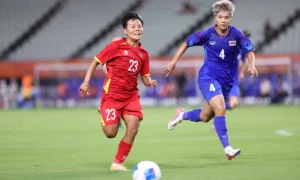
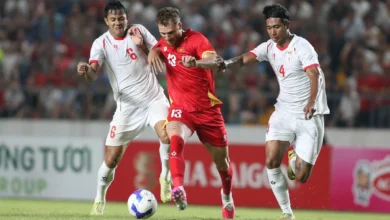
Group B, which includes Vietnam, Thailand, Pakistan, and the Philippines, will contest its matches at the Si Jalak Harupat Stadium in Bandung. The tournament structure is designed to maximize competitive output, with group winners advancing to a high-stakes final, while the runners-up in the primary group compete for third-place honors. With a winner’s prize purse of $1 million and a minimum participation fee of $125,000 for each competing nation, the financial stakes are as significant as the sporting ones. This tournament serves as a testing ground for the development of football infrastructure and talent pathways within the region, providing a platform for emerging stars to compete in a high-pressure, standardized environment.
Lionel Messi’s Final Bow: The End of an Era
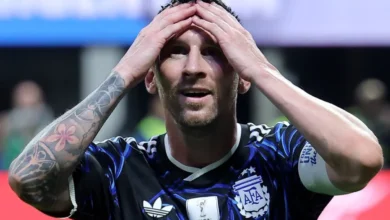
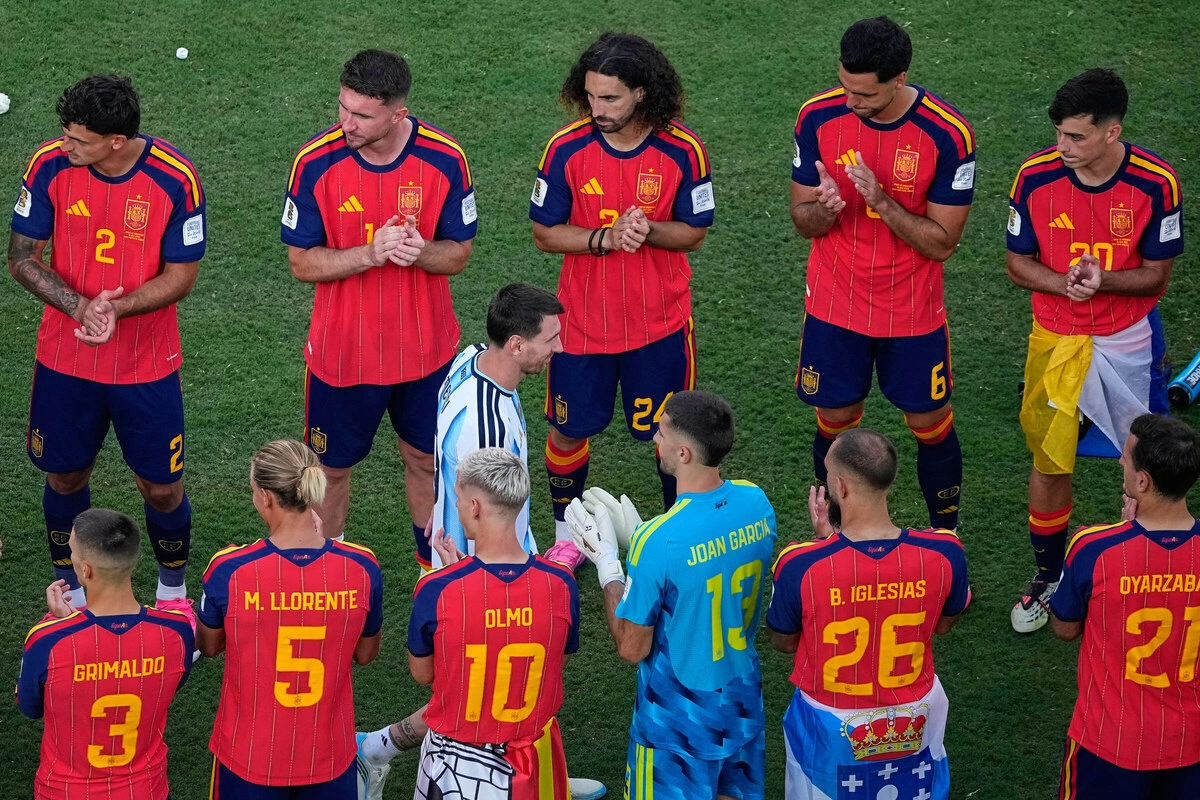
The footballing world turns its eyes to Argentina, where Lionel Messi is preparing for his final appearances in the Albiceleste jersey. Following his formal announcement of international retirement in August, the 39-year-old icon is set to conclude a storied 208-cap career. His final match will take place on October 6 against Benin in Buenos Aires.
Messi’s international career, which reached its zenith with the 2021 and 2024 Copa America titles and the 2022 World Cup, remains a case study in perseverance. After years of near-misses, including multiple final losses, his transformation into a leader of a cohesive unit defined his final years. Even at 39, his statistics—eight goals and four assists in the most recent World Cup cycle—demonstrate his enduring relevance. This final series, including matches against Bolivia and Burkina Faso, is not merely a set of friendlies; it is a global tribute to a player who fundamentally altered the trajectory of the sport.

Portugal’s Tactical Pivot and the Ronaldo Question
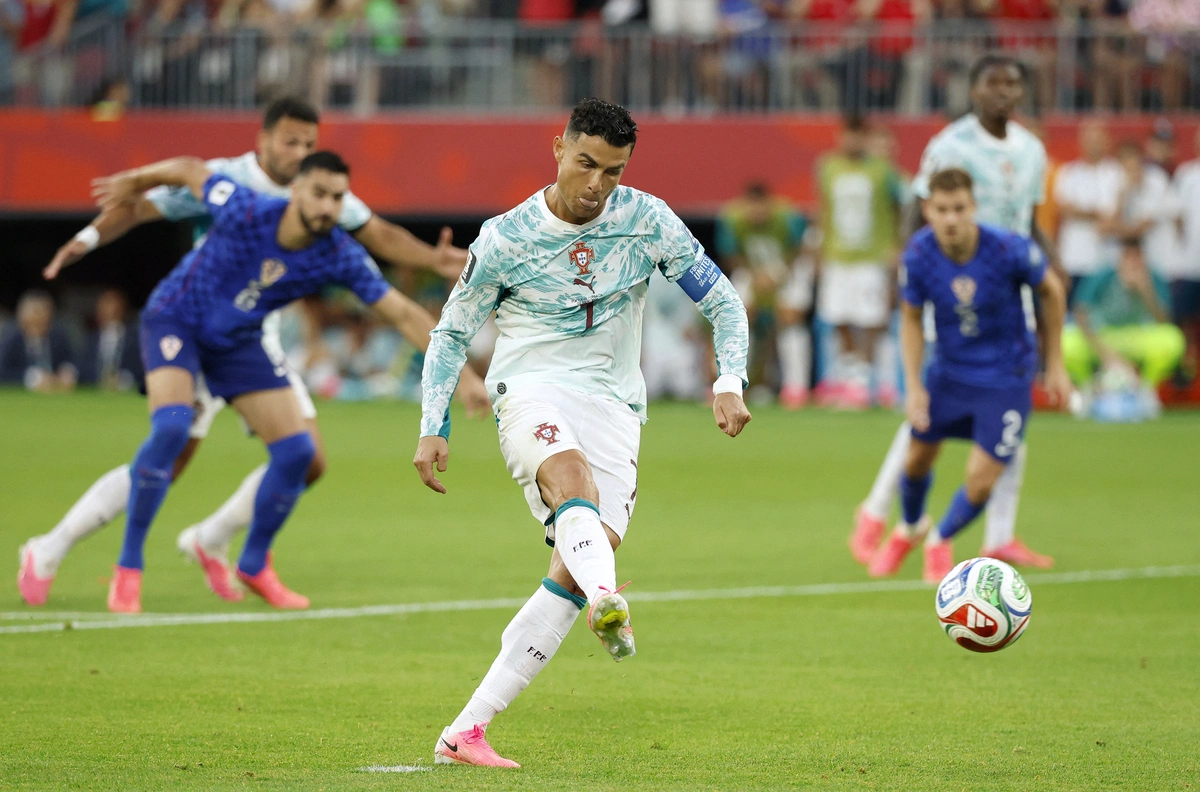
In Europe, the Portuguese national team faces a period of transition following the conclusion of Roberto Martinez’s three-year tenure after the 2026 World Cup. The appointment of Jorge Jesus—who previously coached Cristiano Ronaldo at Al Nassr—has sparked intense debate regarding the role of the 41-year-old forward.
Ronaldo, who scored three goals in the 2026 World Cup before Portugal’s Round of 16 exit, remains a polarizing figure in the national team setup. Critics argue that his continued presence hinders the integration of Portugal’s burgeoning young talent, while proponents maintain his goal-scoring instinct remains essential. With matches against Wales, Denmark, and a double-header against Norway, Jesus faces the immediate challenge of balancing tradition with the necessity of generational renewal. The outcome of these matches will likely dictate whether Ronaldo remains a cornerstone of the squad leading up to Euro 2028.
The Zidane Factor: France’s New Managerial Philosophy
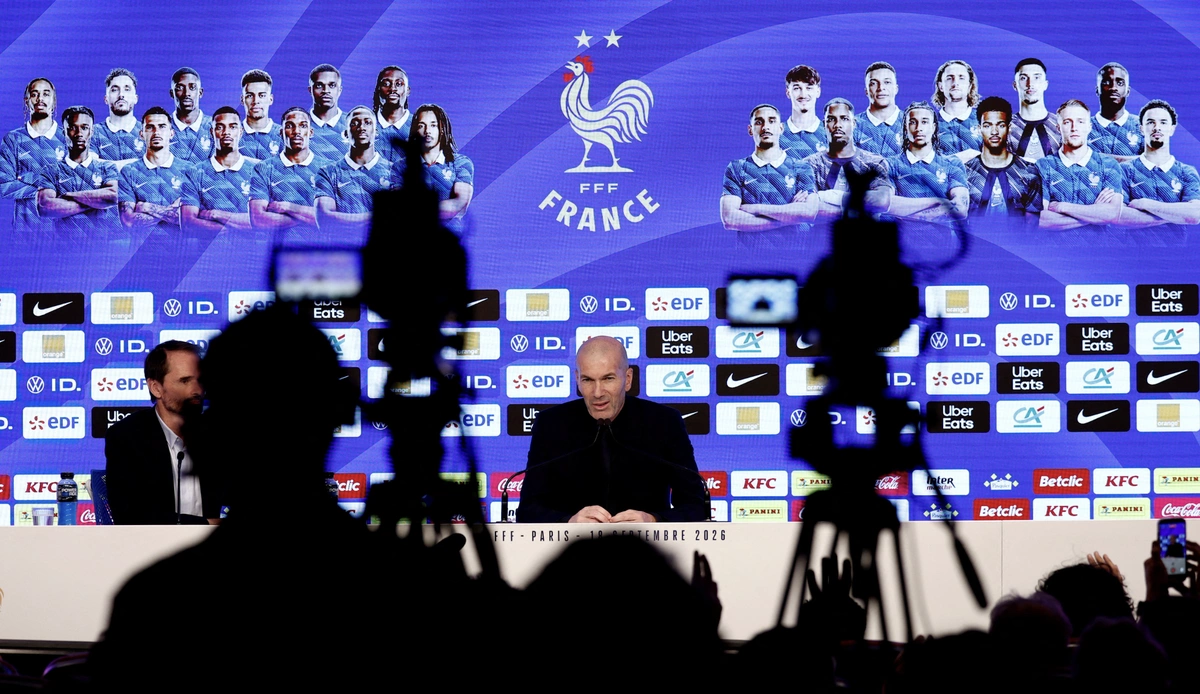
Zinedine Zidane’s appointment as the head coach of France in July represents one of the most anticipated coaching transitions in the sport. After a five-year hiatus from club management, the former Real Madrid boss has been tasked with succeeding Didier Deschamps, who stepped down after a 14-year reign.
Zidane’s philosophy is expected to emphasize fluid, attacking football, a departure from the pragmatic approach that characterized the Deschamps era. His tenure begins with a challenging series of fixtures: an away trip to Turkey, followed by a high-profile home match against Italy at the Stade de France on October 2. The pressure on Zidane is immense, as he takes over a squad that is arguably the most talent-rich in the world. Fans and pundits alike are waiting to see how he manages the egos and tactical demands of a team that has been synonymous with the defensive stability of the previous decade.
Thomas Tuchel and the Challenge of Public Trust
England’s "Three Lions" are undergoing a period of intense scrutiny under Thomas Tuchel. The manager’s decision to exclude high-profile stars like Cole Palmer, Phil Foden, and Trent Alexander-Arnold during the 2026 World Cup cycle drew heavy criticism, and the team’s subsequent semi-final loss to Argentina has left a sour taste for many fans.
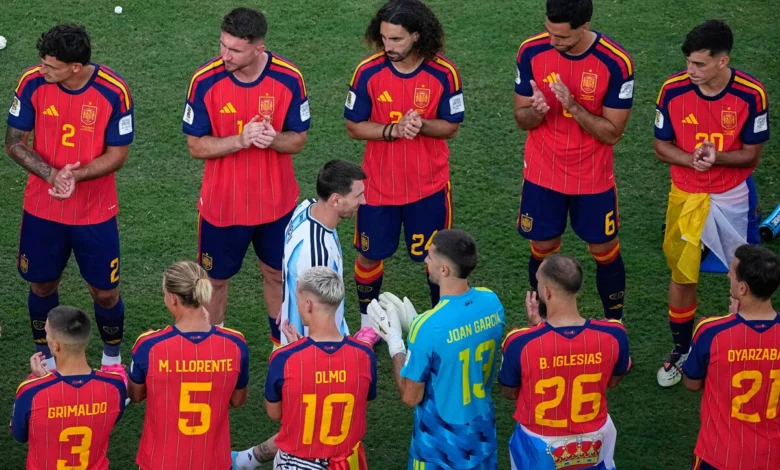
The upcoming Nations League matches, including a clash against reigning world champions Spain at Wembley, are critical for Tuchel’s survival. With rumors circulating about potential replacements such as Eddie Howe, the pressure on the German tactician to deliver results and reconcile with the English public has never been higher. Tuchel has acknowledged the criticism, but his focus remains on tactical refinement. The upcoming fixtures against the Czech Republic and Croatia will be defining moments for a team that is struggling to align its massive individual talent with a winning tactical identity.
Brazil’s Historic Incursion into India
In a move that transcends the boundaries of traditional football markets, Brazil is scheduled to play a high-profile match against India at the Salt Lake Stadium in Kolkata on October 3. This match marks a historic moment for Indian football, a nation of 1.46 billion people that has yet to qualify for a FIFA World Cup.
The match is viewed by the All India Football Federation (AIFF) as a monumental opportunity to inspire a new generation of players. Following Lionel Messi’s tour of India in late 2025 and Pele’s historic 1977 visit, the presence of the Seleção is expected to generate record-breaking interest. While the competitive gap between the two teams is vast, the commercial and developmental implications for Indian football are significant. For Brazil, the match is an opportunity to cultivate its brand in one of the fastest-growing football markets in the world.
Ireland and Israel: The Intersection of Sport and Politics
The UEFA Nations League fixtures between Ireland and Israel continue to highlight the tension between geopolitical conflict and international sport. Despite initial requests from the Football Association of Ireland (FAI) to avoid pairing the two teams due to the ongoing situation in Gaza, UEFA has confirmed the fixtures will proceed, albeit with significant logistical adjustments.

Matches involving Israeli teams are currently being held in neutral territories, including Hungary, Cyprus, and Poland. The FAI’s decision to participate has sparked domestic controversy, with public protests outside the Irish Parliament and surveys showing that 63% of professional players in Ireland support a boycott on moral and safety grounds. The FAI, however, has stated that participation is mandatory to avoid expulsion from UEFA competitions. These matches serve as a stark reminder of the limitations of "sporting neutrality" in an increasingly interconnected and volatile global climate.
Implications for the Future of Global Football
The upcoming FIFA Days window is more than just a series of matches; it is a reflection of the evolving nature of the sport. The expansion of FIFA-governed tournaments like the ASEAN Cup, the generational shifts in coaching and player rosters, and the continued friction between political realities and athletic competition all point to a sport in flux.
As teams prepare for these fixtures, the focus is not only on the points at stake but on the narratives that will define the next cycle of international football. Whether it is the final chapter for legends like Messi or the beginning of a new era for coaches like Zidane, the next two weeks will undoubtedly set the stage for the next decade of the beautiful game. The global football community will be watching, waiting to see if these transitions lead to a period of stability or if they signal the start of further, more profound changes to the structure and soul of the sport.