Tàu dài 300m chở 171.000 tấn quặng đâm hỏng cảng của tỷ phú Trần Đình Long: Hòa Phát yêu cầu bắt giữ, 12 hạng mục bị ảnh hưởng, bảo hiểm vào cuộc

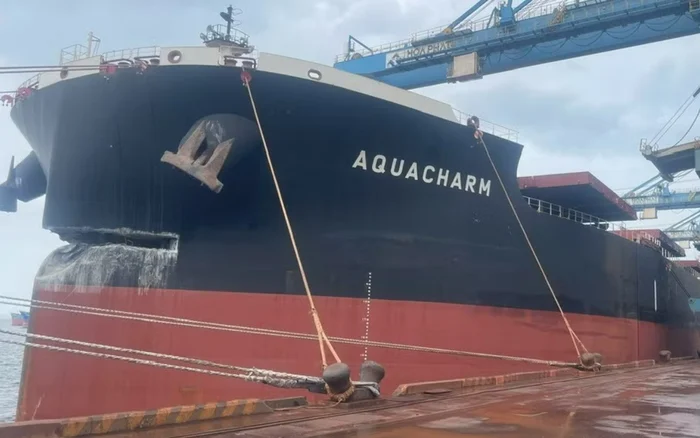
The maritime incident involving the bulk carrier Aquacharm at the Dung Quất port facility in Quảng Ngãi province has escalated into a complex legal and financial dispute between the ship’s owners and the Hòa Phát Group. On October 24, port authorities confirmed that the vessel had been relocated from its anchorage to a specialized repair facility operated by the Petroleum Marine Shipbuilding and Industry Company. This movement follows a judicial order stemming from a collision that resulted in significant damage to the specialized port infrastructure owned by the Hòa Phát Dung Quất Steel Joint Stock Company.
The incident, which occurred on October 18, has triggered a 30-day detention order issued by the People’s Court of the 2nd Region of Quảng Ngãi. While the vessel has been safely berthed for repairs, the legal restriction prevents it from departing the jurisdiction of the port authorities until the matter of liability and compensation is resolved to the satisfaction of the involved parties.
Chronology of the Incident and Subsequent Legal Action
The sequence of events began on the morning of October 18, when the Aquacharm, a massive bulk carrier, was in the process of maneuvering into Berth No. 10 at the Hòa Phát Dung Quất port complex. Designed to facilitate the import of vast quantities of raw materials for steel production, the facility is a critical node in Hòa Phát’s supply chain.
During the berthing operation, the vessel experienced a significant collision with the bridge crane structure located between Berths 10 and 11. This specific section of the pier, while constructed, had not yet been officially commissioned for full commercial operation. The impact resulted in a breach of the ship’s hull, measuring approximately five meters in length, and caused substantial structural damage to the pier’s crane and associated infrastructure.
Following the accident, local maritime authorities, including the Quảng Ngãi Maritime Port Authority, initiated an investigation to determine the cause of the collision and assign responsibility. Preliminary measures included suspending the operation of the damaged cranes and impounding the vessel. By October 21, the People’s Court of the 2nd Region of Quảng Ngãi formally issued a detention order, effectively anchoring the vessel for a period of 30 days to ensure that the compensation claims filed by Hòa Phát Dung Quất would be addressed.
Vessel Profile and Operational Context
The Aquacharm is a significant maritime asset, flying the flag of the Marshall Islands. It measures 292 meters in length and 45 meters in width, with a total deadweight tonnage (DWT) of 182,309. Built in Japan in 2022, the vessel is a modern, high-capacity bulk carrier typically employed in the international transport of iron ore and coal—commodities essential for the steel manufacturing industry.
At the time of the collision, the vessel was carrying approximately 171,000 tons of iron ore imported from Australia. The scale of the ship underscores the logistical intensity of the Dung Quất port operations. For Hòa Phát, which relies on the continuous inflow of raw materials, the integrity of its port infrastructure is not merely a matter of maintenance but a core component of its competitive advantage. The facility is designed to accommodate vessels of up to 200,000 DWT, allowing the company to source materials from major global suppliers with greater cost efficiency.
Ongoing Negotiations and Insurance Complications
As of late October, the primary point of contention remains the lack of a mutually agreed-upon compensation plan. Representatives from Hòa Phát Dung Quất have confirmed that they are actively engaging with the ship’s owners, the vessel’s captain, and other relevant stakeholders to formalize a restoration plan.
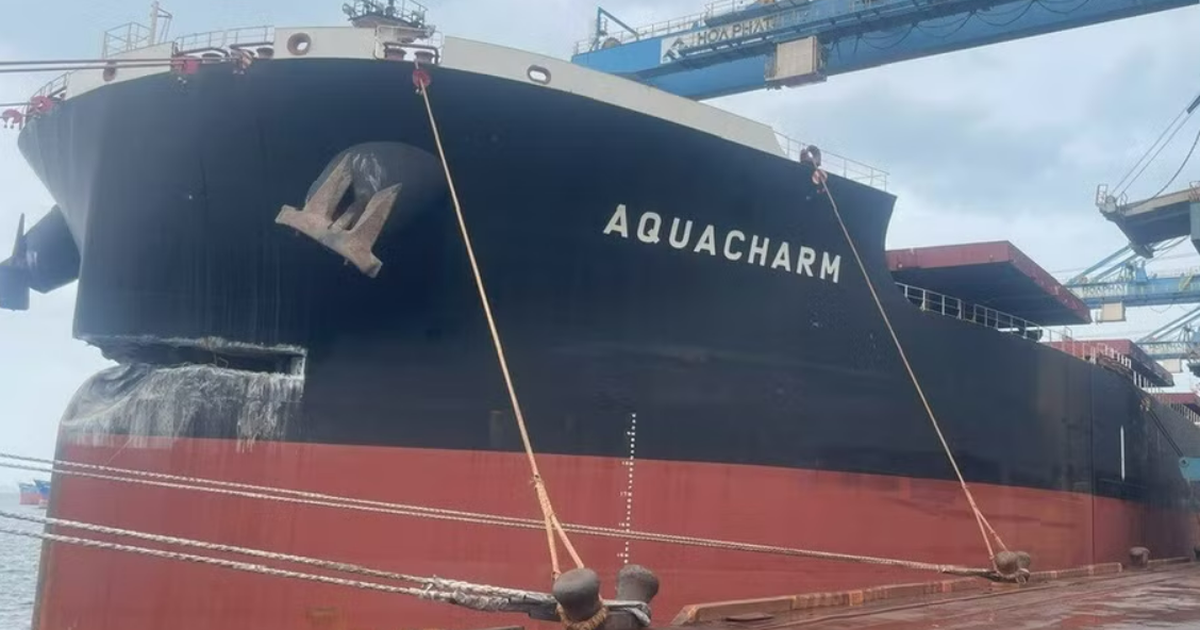
The process of assessing the damage is inherently complex, involving independent surveyors and technical experts to evaluate the extent of the impact on the crane structure. While the Aquacharm is covered by hull and machinery insurance, the specific scope and valuation of the indemnity remain under active review.
Hòa Phát has formally requested the presence of a professional loss-adjusting firm to evaluate the damages, which include at least 12 distinct points of impact on the port’s infrastructure. The company has emphasized that the detention of the vessel serves as a necessary legal safeguard to ensure that the eventual cost of repairs and the losses incurred from the operational disruption are fully covered.
Broader Economic Implications for the Steel Sector
The collision highlights the fragility of large-scale industrial supply chains. The Dung Quất facility is a cornerstone of Hòa Phát’s strategy to lower production costs. By operating its own port capable of handling massive vessels, the company gains a logistical edge that can reduce raw material costs by an estimated $3 to $5 per ton compared to standard market rates.
Chairman Trần Đình Long has previously noted that for a company importing tens of millions of tons of iron ore and coal annually, these small margins per ton translate into substantial savings on the final cost of production. Consequently, any interruption to the port’s capacity—such as the recent damage to the cranes—is treated with the utmost seriousness by the company’s management.
However, the Quảng Ngãi Maritime Port Authority has provided assurances that the incident has not resulted in a systemic disruption of port operations. While the specific section involved in the collision remains under restricted access for investigation and repair, other berths remain operational. The port continues to receive vessels and conduct loading and unloading operations as scheduled, mitigating the risk of a wider bottleneck for the company’s production cycle.
Investigation and Future Outlook
The investigation into the incident is expected to focus on both technical factors—such as navigation protocols, weather conditions at the time of docking, and equipment performance—as well as human factors involved in the berthing operation. The formation of a dedicated maritime accident investigation team by the port authority reflects the severity of the damage and the high-value nature of the assets involved.
For the international maritime community, this case serves as a reminder of the liability risks associated with maneuvering high-tonnage vessels in restricted port waters. As the 30-day detention period continues, the maritime industry will be watching closely to see how the compensation claims are settled. The outcome will likely hinge on the findings of the technical reports and the effectiveness of the legal representatives from both the ship-owning firm and the steel manufacturer.
In conclusion, while the physical damage to the infrastructure is significant, the most critical phase of this incident is now shifting to the boardroom and the courtroom. The resolution of this dispute will not only determine the financial restitution for Hòa Phát but will also establish a precedent for how similar high-value industrial accidents are mediated within the Vietnamese maritime regulatory framework. For now, the Aquacharm remains under guard, a silent witness to the complexities of modern industrial logistics and the high stakes of global raw material trade.
Related posts: