Vietnam and Poland Forge Strategic Partnership to Deepen Economic, Security, and Technological Ties

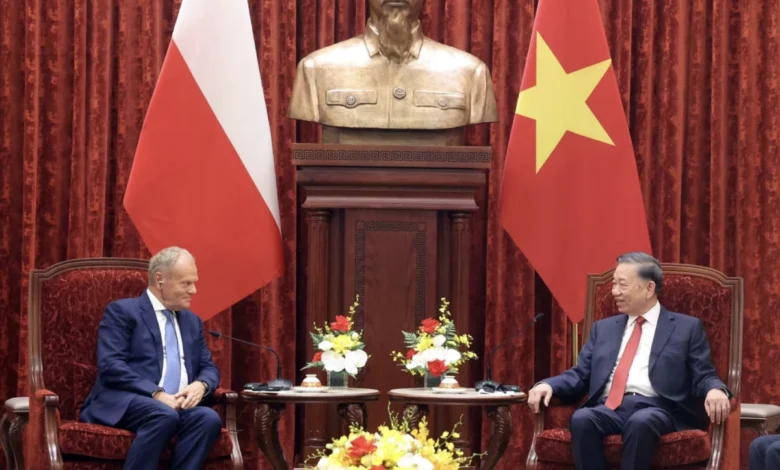
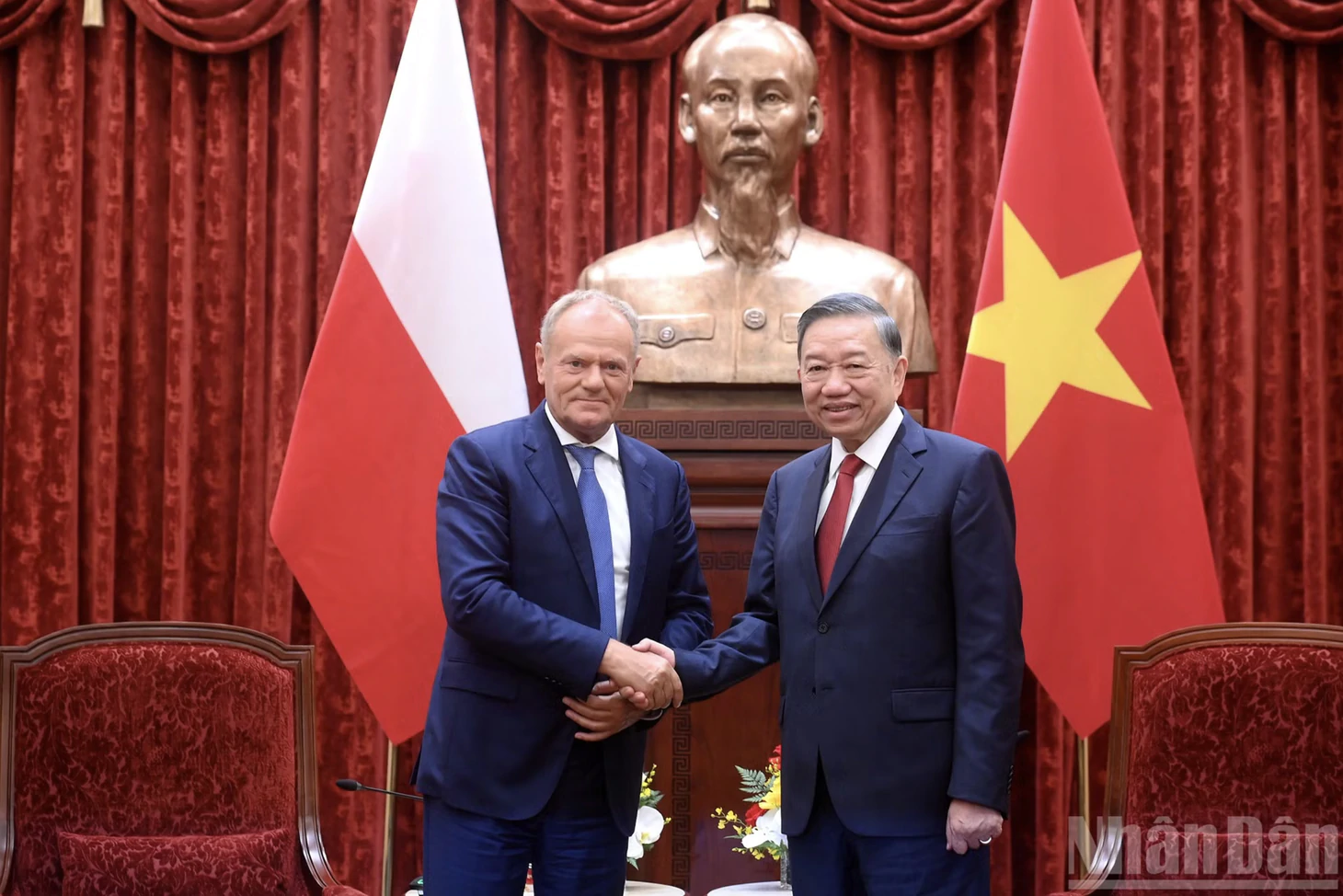
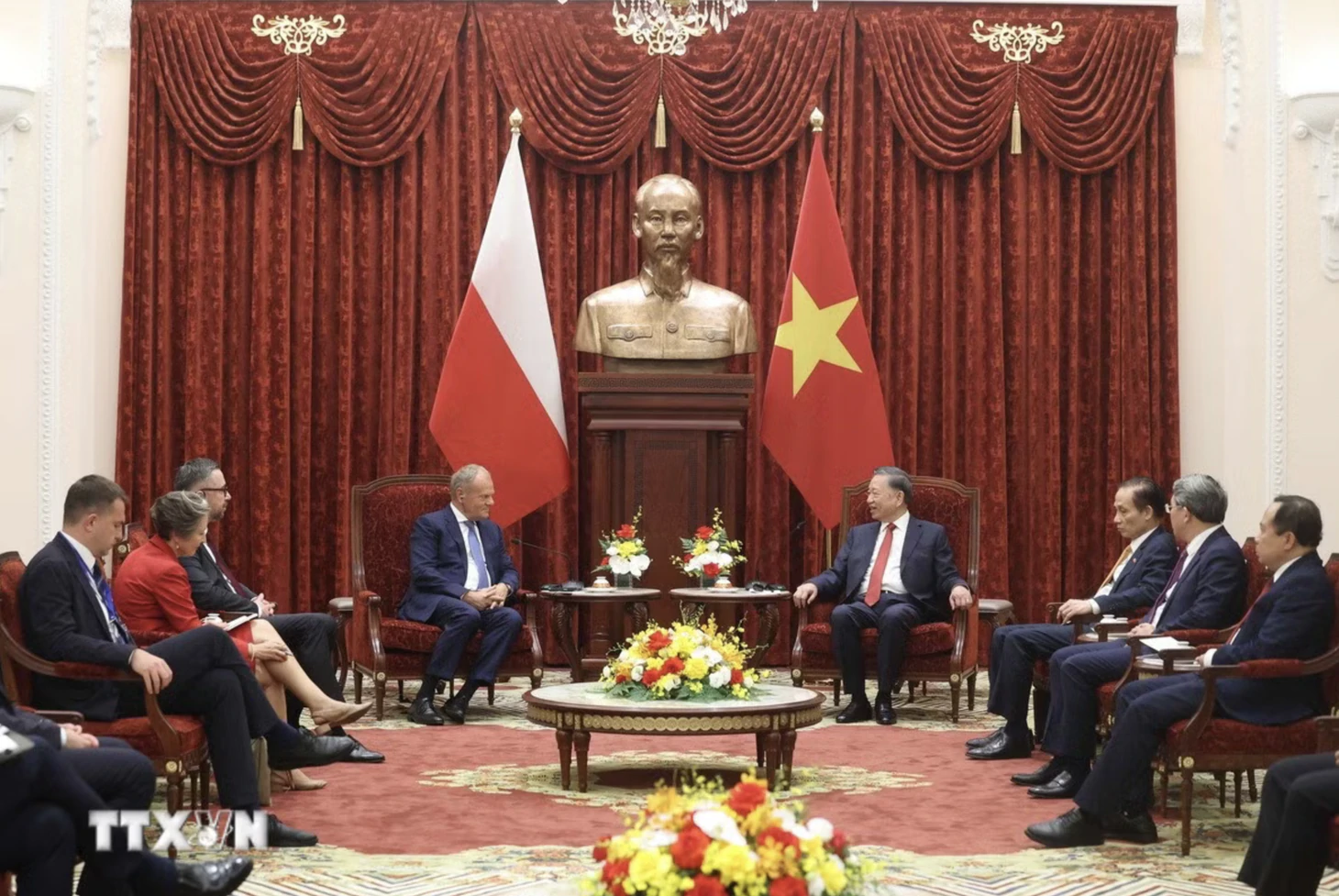
Hanoi — In a milestone diplomatic development marking over 75 years of bilateral relations, Vietnam and Poland have officially elevated their diplomatic ties to a Strategic Partnership. The landmark agreement was formalized during high-level meetings in Hanoi, where General Secretary and President of Vietnam To Lam hosted Polish Prime Minister Donald Tusk. The talks underscored a shared commitment to steering bilateral cooperation into a more substantive, stable, and results-oriented phase, leveraging decades of traditional friendship to address contemporary global and regional challenges.
The visit by Prime Minister Tusk represents his first return to Vietnam in 16 years, providing a firsthand view of the Southeast Asian nation’s rapid socio-economic, political, and diplomatic transformation. Both leaders reflected on the historical bonds forged through shared struggles for national sovereignty and post-war reconstruction, laying a sturdy foundation for an expanded framework of cooperation that spans trade, advanced technology, security, and education.
Elevating Diplomatic Ties After 75 Years of Friendship
The formal establishment of the Strategic Partnership creates a new institutional architecture designed to amplify bilateral engagement across multiple sectors. Diplomatic ties between Vietnam and Poland date back decades, anchored in mutual political trust and profound people-to-people affinity. Throughout turbulent geopolitical eras, Warsaw has remained a steadfast partner for Hanoi in Central Europe, while Vietnam serves as an essential gateway for Poland into the dynamic Association of Southeast Asian Nations (ASEAN) market.
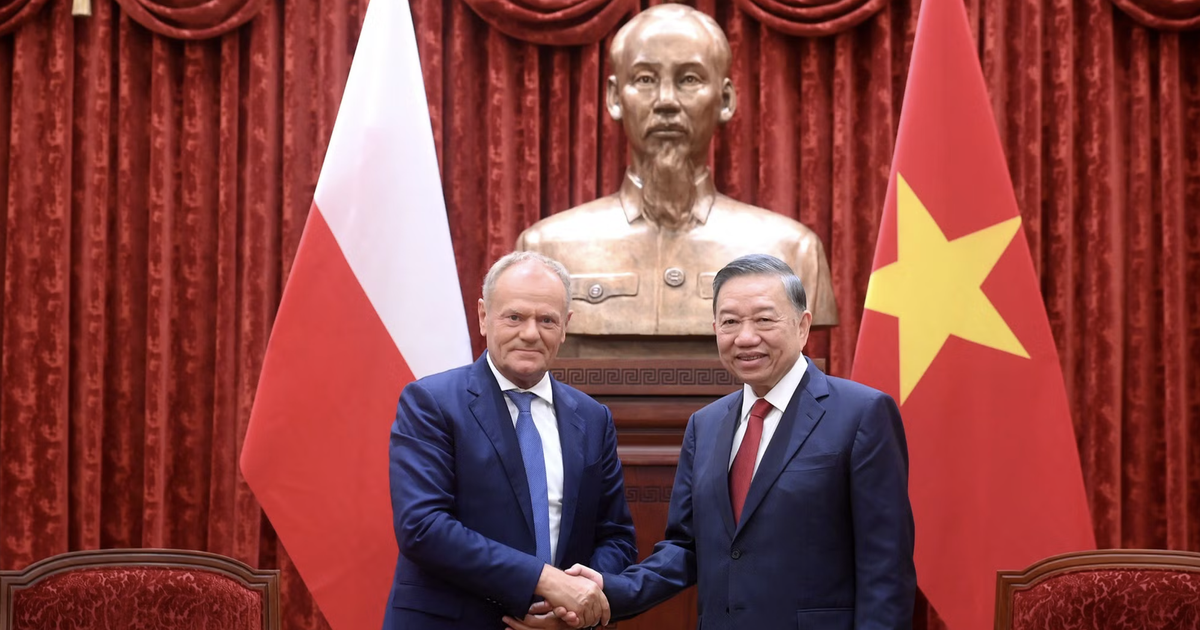
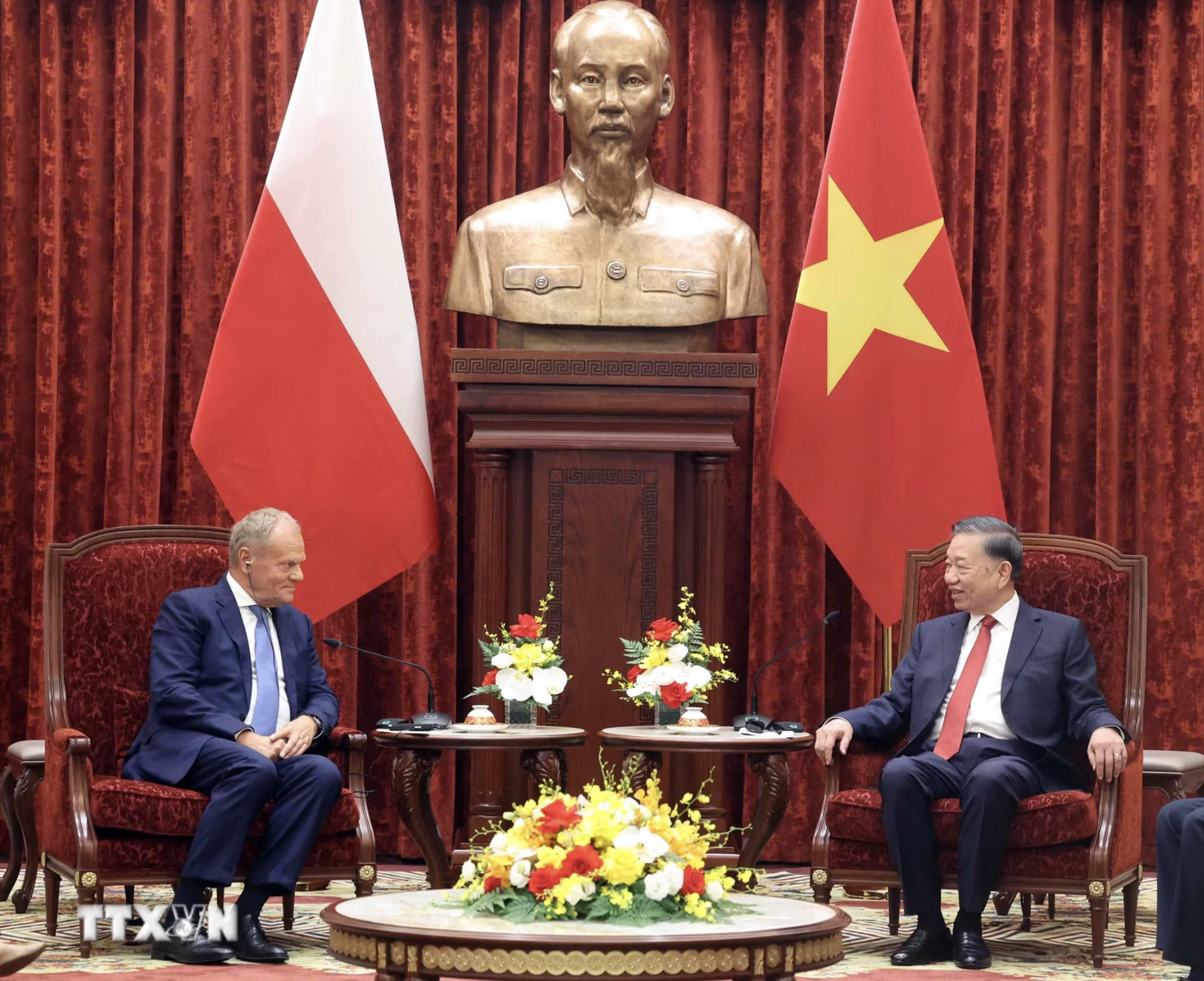
During their extensive discussions, General Secretary and President To Lam emphasized that the transition to a Strategic Partnership will inject fresh momentum into bilateral mechanisms. He proposed maintaining regular, high-level delegations across party, state, and parliamentary channels to solidify political trust. Prime Minister Tusk echoed these sentiments, affirming that the Polish government is fully dedicated to implementing the agreements reached during his visit through concrete, centralized projects integrated into a comprehensive Action Plan for the 2026–2030 period.
Economic and Trade Objectives: Targeting $6 Billion
Economic collaboration remains a core pillar of the newly minted Strategic Partnership. The leaders set an ambitious bilateral trade target of $6 billion, aiming for a balanced, sustainable, and mutually beneficial commercial flow. To achieve this milestone, both administrations have committed to maximizing emerging opportunities under existing bilateral and multilateral frameworks, including the EU-Vietnam Free Trade Agreement (EVFTA).
Vietnam has expressed a strong desire for Poland to become a leading investor from Central Europe, offering favorable conditions and a transparent regulatory environment for Polish enterprises seeking long-term operations in the country. Key sectors identified for enhanced investment include advanced manufacturing, food processing, pharmaceuticals, medical equipment, environmental protection, mining, transport infrastructure, and modern logistics.
Furthermore, given Poland’s prominent status in maritime logistics and shipbuilding—exemplified by its sophisticated port infrastructure—both nations explored avenues to expand cooperation in maritime economies, shipping logistics, and naval science. General Secretary and President To Lam suggested increasing professional training for maritime human resources and sharing best practices in marine economic governance.
Strengthening Technological and Security Cooperation
Beyond traditional trade, the high-level dialogue placed significant emphasis on science, technology, innovation, and security cooperation. The leaders agreed to prioritize high-value sectors such as artificial intelligence (AI), software engineering, cybersecurity, and biotechnology. Joint initiatives in healthcare, pharmaceuticals, microbiology, and advanced therapeutic research were also highlighted as areas with immense mutual benefit.
In the realm of defense and security, the two governments agreed to explore enhanced collaboration within defense industry manufacturing, security equipment, and capacity building, tailored to the respective policies and security needs of each nation. This cooperation is viewed as a natural extension of growing trust and strategic alignment between the two sovereign states.
Education remains a cornerstone of the bilateral relationship. Recognizing the historical legacy of thousands of Vietnamese students and researchers educated in Polish universities during past decades, Prime Minister Tusk and Vietnamese leadership agreed to expand scholarship programs. Future educational exchanges will focus heavily on basic sciences, advanced engineering, high-tech logistics, digital transformation, medicine, and maritime industries.
Parliamentary Diplomacy and Institutional Frameworks
As part of his official itinerary, Prime Minister Tusk also held a high-level meeting with National Assembly Chairman Tran Thanh Man at the National House in Hanoi. The discussions centered on the vital role of legislative bodies in establishing predictable, transparent, and business-friendly legal frameworks that build confidence for domestic and international investors alike.
Chairman Tran Thanh Man commended the Polish parliament for its early ratification of the EU-Vietnam Investment Protection Agreement (EVIPA) and urged Warsaw to continue using its diplomatic weight to encourage remaining EU member states to expedite their own ratification processes. Additionally, the Vietnamese top legislator called on the European Commission to lift the "yellow card" warning on Vietnamese seafood (IUU fishing regulations), noting that resolution of this issue would significantly boost agricultural trade.
Prime Minister Tusk assured his Vietnamese hosts that the Polish government and parliament will actively advocate within European Union institutions to accelerate the full implementation of the EVIPA and support the removal of the IUU yellow card restriction. Both parliamentary bodies agreed to enhance delegation exchanges, committee-level cooperation, and mutual legislative oversight to ensure accountability and the swift enactment of bilateral treaties.
People-to-People Ties and Cultural Bridges
The historical and emotional resonance between the two nations was a recurring theme throughout the diplomatic engagements. Prime Minister Tusk paid tribute to the vibrant Vietnamese community residing in Poland, praising their hard work, resilience, and substantial contributions to Polish society. He characterized the diaspora as a vital human bridge connecting the two cultures.
The Polish Prime Minister also expressed deep appreciation for Vietnam’s preservation of historical monuments linked to Polish heritage, notably the tireless work of Polish architect Kazimierz Kwiatkowski (affectionately known as "Kazik"), whose conservation efforts saved and restored the imperial city of Hue, the My Son sanctuary, and the ancient town of Hoi An. Such cultural preservation efforts symbolize a mutual respect that transcends standard diplomatic protocols.
Broader Geopolitical Implications and Global Outlook
The elevation of Vietnam-Poland relations to a Strategic Partnership carries significant geopolitical weight in an increasingly fragmented global landscape. For Vietnam, the partnership reinforces its "bamboo diplomacy" doctrine—maintaining diversified, independent, and balanced relations with global powers and key regional actors. By strengthening ties with Central Europe’s largest economy, Hanoi secures an influential advocate within the European Union, bolstering its economic resilience and multilateral diplomacy.
For Poland, deepening engagement with Vietnam anchors its diplomatic and economic footprint in the Indo-Pacific region, one of the world’s primary engines of economic growth. As supply chains diversify and nations seek stable, reliable manufacturing and technological hubs, the convergence of Vietnamese productive capacity and Polish industrial expertise creates a formidable economic axis.
The meetings concluded with a shared optimism that the institutional mechanisms established under the Strategic Partnership will deliver tangible benefits to the citizens of both nations, contributing substantially to regional and global peace, stability, and sustainable development in the years ahead.
Related posts: