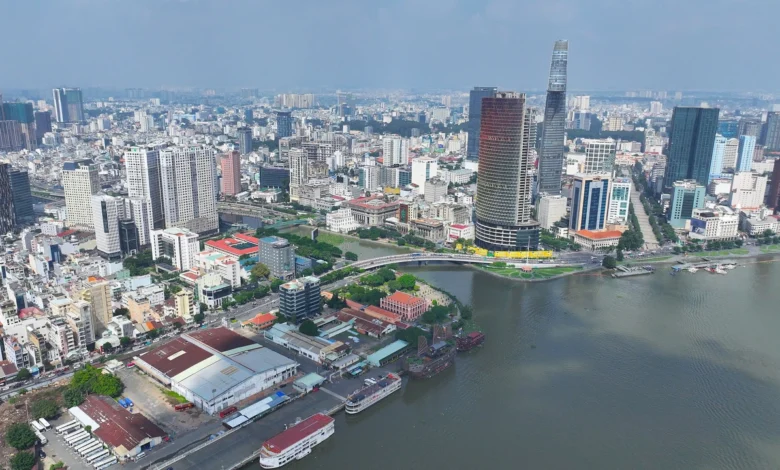
The serviced apartment market in Ho Chi Minh City is currently experiencing a robust period of growth, driven by a surge in international tourism and an influx of foreign experts relocating for professional engagements. Property owners and real estate management firms are reporting occupancy rates reaching as high as 85%, significantly outperforming traditional hospitality segments in specific urban hubs. This shift reflects a broader transformation in the way business travelers and long-term expatriates perceive luxury accommodation, moving away from rigid hotel structures toward more flexible, home-like living environments.
The Rise of the Serviced Apartment Sector
Serviced apartments in Ho Chi Minh City, particularly those classified as Grade A and Grade B, have become the preferred choice for foreign professionals and corporate clients. Unlike traditional five-star hotels, these units offer a blend of residential comfort and hotel-standard amenities, including swimming pools, modern fitness centers, fully equipped kitchens, and high-speed internet.
Industry experts, including hosts on platforms like Airbnb, note that the ability to offer flexible leasing terms—ranging from daily to monthly or quarterly—has been a primary catalyst for their high occupancy. By tailoring rental agreements to meet the specific duration of a client’s stay, property owners have successfully maintained consistent revenue streams even during periods of lower seasonal tourism.
Data-Driven Market Performance
According to market reports for the third quarter of 2026 from Savills Vietnam and Avison Young, the total supply of serviced apartments in Ho Chi Minh City remains stable, hovering between 7,300 and 7,900 units. Of this, over 3,500 units are concentrated in the premium and mid-range segments. The occupancy rate for these units, specifically those catering to foreign specialists and long-term business travelers, has reached a impressive 82-85%.
Rental pricing remains competitive based on location and facility quality. Grade A properties are commanding an average of $40 to $41 USD per square meter per month, while Grade B properties are averaging around $22 USD per square meter. Data from AirROI, which tracks short-term rental market performance in the city, highlights that between August 2025 and July 2026, there were over 6,200 units listed on short-term platforms. The average nightly rate for these units was approximately $62 USD, with annual revenue per unit averaging $4,800 USD, though high-performing units in prime districts significantly outperformed these averages through dynamic pricing strategies.
Geographic Hotspots and Rental Trends
The demand for premium serviced apartments is most intense in districts central to the city’s economic life. Key locations such as District 1 (Saigon center), District 2 (Thanh My Tay and An Khanh), and the peripheral industrial-adjacent districts like Binh Thanh and District 4 (Xom Chieu) are seeing the highest price points.
- One-bedroom units: These range from 1.1 million to 1.5 million VND per night, or 16 to 26 million VND monthly.
- Two-bedroom units (70-85m2): Pricing typically fluctuates between 1.4 million and 1.8 million VND per night, totaling 25 to 33 million VND per month.
- Large-format units (3-4 bedrooms): Designed for families of expatriates, these premium spaces command between 2.2 million and 3.8 million VND per night, or up to 70 million VND per month.
These figures underscore the high value placed on space and privacy by the expatriate community, who prioritize these factors over the cramped conditions often found in standard hotel suites.
Catalysts for Growth: FDI and Tourism
The sustained demand is not an isolated phenomenon but is deeply rooted in Vietnam’s macroeconomic trajectory. In the first nine months of 2026, Vietnam welcomed 17.7 million international visitors, a 14.5% increase compared to the same period in the previous year. Notably, the Asian market saw a significant uptick: arrivals from Asia rose by 53%, while visitors from Singapore increased by 32%.
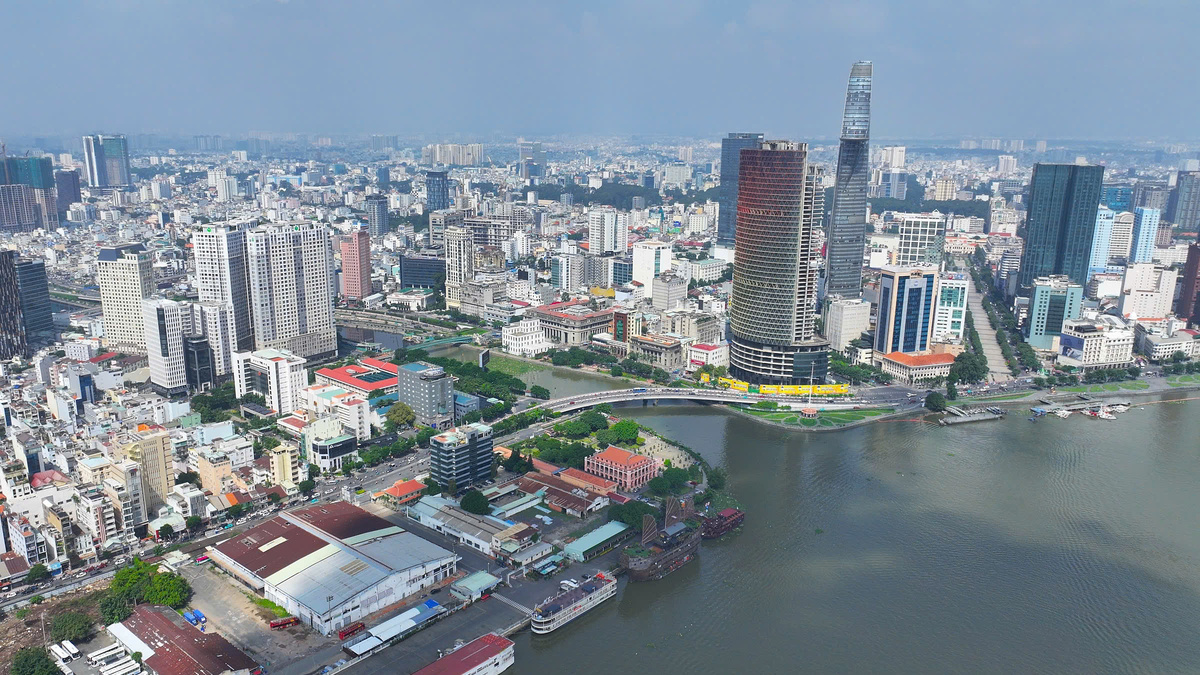
This influx is complemented by a surge in Foreign Direct Investment (FDI). Over the first nine months of 2026, registered FDI into Vietnam reached over $50.3 billion USD, an increase of 76%. The formation of the International Financial Center (IFC) in Ho Chi Minh City and the growth of similar hubs in Da Nang are primary drivers of the demand for high-end, long-term housing for specialists.
Nghia Tran, Head of Research at Avison Young Vietnam, notes that the current market landscape is being bolstered by a diversified range of foreign experts from South Korea, Japan, and Singapore. The competition among property owners is no longer just about price; it is shifting toward operational quality, wellness ecosystems, and international service standards.
Regulatory Evolution and Future Outlook
The legal environment surrounding property management is also evolving to support this growth. Le Hoang Chau, Chairman of the Ho Chi Minh City Real Estate Association (HoREA), emphasizes that recent updates to the Housing Law are creating a more favorable climate for the serviced apartment sector.
The new regulations provide a clearer legal framework for the short-term rental of residential units. By establishing strict guidelines on when and how a condominium can be used for commercial short-term rentals, the law protects the rights of property owners while ensuring the security and stability of residential complexes. "The formalization of these regulations will help increase the number of tourist accommodation facilities, helping the city reach its goal of welcoming 45-50 million international visitors by 2030," says Chau.
This legal clarity is particularly timely as the country prepares for major international events, including the APEC 2027 summit, which will be hosted across Hanoi, Ho Chi Minh City, and Phu Quoc. The anticipation of such events is already prompting developers to upgrade existing inventories to meet the expected surge in demand for luxury, flexible, and tech-enabled living spaces.
Strategic Implications for Investors
For investors, the serviced apartment model offers a hedge against the volatility of the traditional residential sales market. By focusing on the "service" component of the property, owners can justify higher rents and maintain higher occupancy levels. The successful operators in this space are those who have adopted "hospitality-as-a-service" (HaaS) mentalities—integrating property management with concierge services, professional cleaning, and localized support for expatriates.
Furthermore, as the city continues to integrate into the global financial network, the demand for "transitional housing" is expected to grow. Companies sending employees for 3-6 month projects prefer the agility of serviced apartments over the long-term commitments of traditional leasing or the expense of five-star hotels.
Conclusion: A Maturing Market
The serviced apartment sector in Ho Chi Minh City has evolved from a niche alternative to a pillar of the city’s hospitality and residential strategy. Supported by robust FDI growth, a steady stream of international business travelers, and a more defined regulatory environment, the sector is well-positioned for continued expansion. As the city matures into a regional financial hub, the integration of high-standard serviced living will remain a critical component in attracting and retaining the global talent necessary to fuel Vietnam’s economic development.
Investors and developers looking toward the next five years should focus on the quality of the ecosystem surrounding these properties—proximity to international schools, business hubs, and healthcare facilities—as these factors will continue to be the primary differentiators in an increasingly competitive market. The trend is clear: the future of urban living for the mobile, global professional is increasingly defined by flexibility, luxury, and seamless integration into the local urban fabric.