Minister Nguyen Manh Hung calls on Viettel leadership to pioneer national digital transformation and adopt global growth strategies

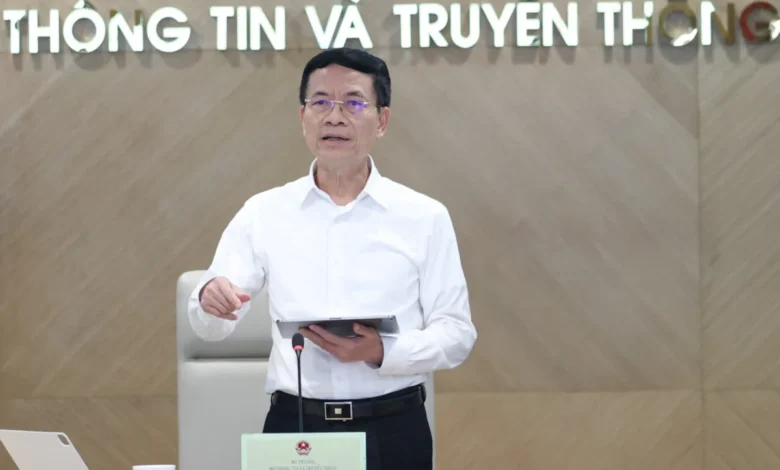
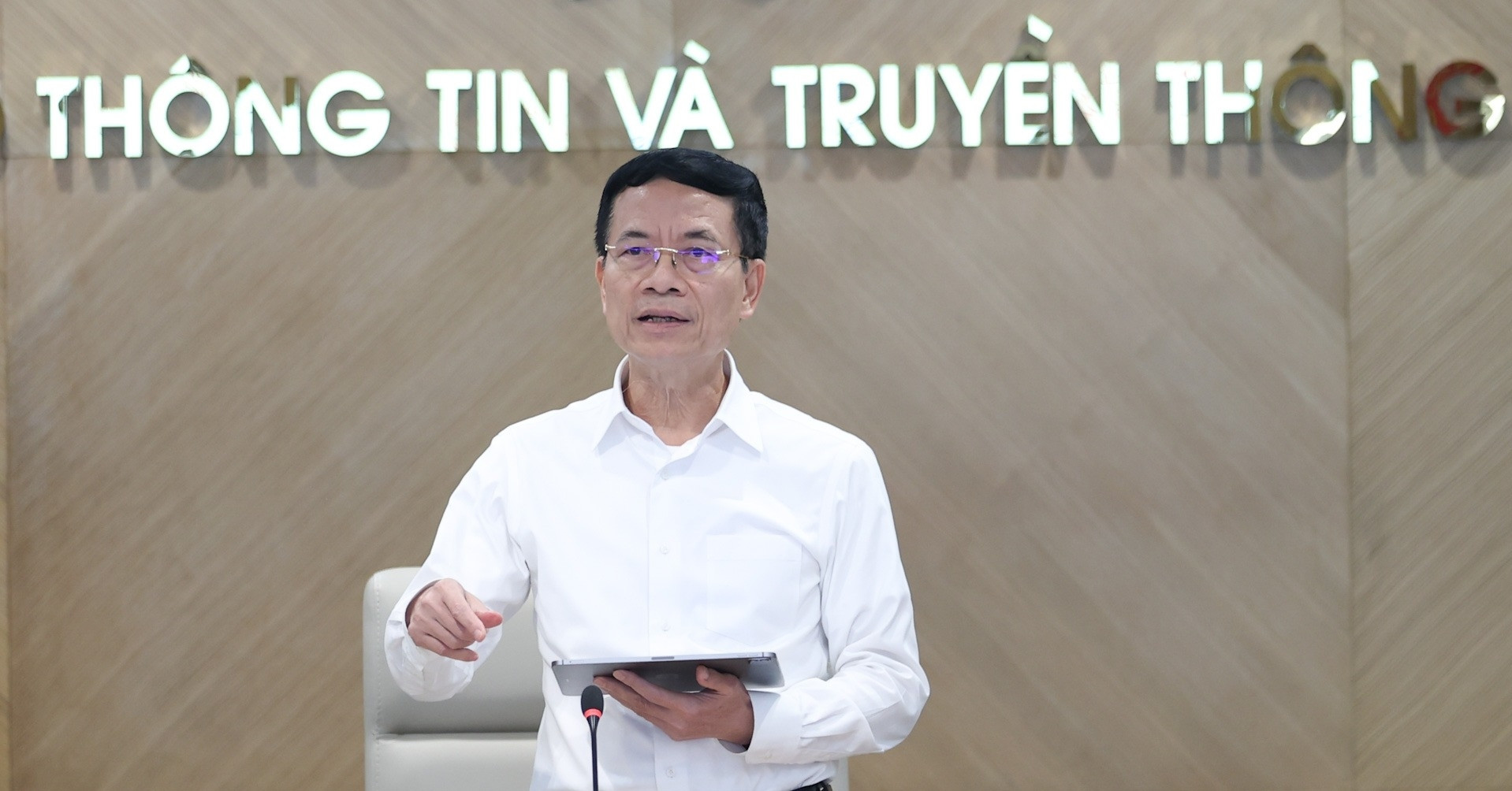
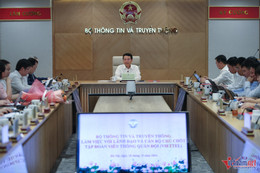
In a strategic meeting held on October 18, 2024, Minister of Information and Communications Nguyen Manh Hung delivered a clarion call to the leadership of the Military Industry and Telecoms Group (Viettel). The Minister urged the telecommunications giant to fundamentally pivot its operational philosophy, shifting from traditional service models toward solving complex, large-scale national and global challenges. This directive marks a pivotal moment in Viettel’s trajectory, signaling a move toward higher-value technological sovereignty and deep integration into the global digital economy.
The session, attended by Deputy Ministers Phan Tam, Pham Duc Long, and Bui Hoang Phuong, as well as senior leadership from the Ministry of Information and Communications (MIC), served as a high-level review of Viettel’s performance over the first three quarters of 2024 and an agenda-setting platform for the next decade of growth.
The Strategic Imperative: Digital Transformation as a National Pillar
Minister Hung emphasized that the transition to digital infrastructure is the primary engine for Vietnam’s future economic development. Drawing parallels to traditional utility infrastructure, such as transportation and energy grids, the Minister categorized digital infrastructure—including 5G, cloud computing, and fiber optics—as a strategic national asset.
"The three major state-owned telecommunications enterprises, including Viettel, are the backbone of this transition," Minister Hung stated. "If these entities do not advance, the entire ICT sector stagnates, and the nation will fail to achieve its core century-long development goals."
Since mid-September, the MIC has conducted a series of intensive working sessions with the leadership of VNPT, MobiFone, and Viettel. These engagements are designed to remove regulatory bottlenecks, provide strategic guidance, and align corporate objectives with the government’s broader "Digital Nation" roadmap. For Viettel, the message is clear: after three decades of focusing on construction, basic telecommunications, and early-stage industrial development, the group must now shoulder the responsibility of national technological leadership for the next ten years.
A New Era for Viettel: From Local Player to Global Contender
The directive issued to Viettel is not merely about incremental growth but a radical shift in ambition. Minister Hung set a clear objective: Viettel must aspire to rank among the top 30 to 40 digital technology companies globally.
To achieve this, the Ministry has mandated a shift in resource allocation. Specifically, the group is encouraged to increase investment in digital infrastructure and research and development (R&D) to match the scale of global tech leaders. A key requirement is that human resources dedicated to digital transformation, science, and technology should comprise 50% of the workforce in technology-focused units and 30% in non-technical divisions.
Furthermore, the Minister highlighted the importance of AI integration. "If Viettel intends to lead in AI, it must first be an aggressive early adopter of AI applications in its own operations," he noted. This involves internal restructuring, delegating greater authority to managers, and implementing more transparent performance evaluation systems to liberate human capital.

Addressing Regulatory and Operational Bottlenecks
During the meeting, Tao Duc Thang, Chairman and General Director of Viettel, provided a comprehensive report on the group’s performance and presented a series of critical proposals to the Ministry. These included:
- Spectrum Allocation: Expediting the auction for the 700MHz frequency band to facilitate the expansion of 5G coverage, particularly in remote and underserved rural areas.
- Internet Satellite Services: Seeking governmental strategy guidance for the implementation of low-earth orbit (LEO) satellite internet services in Vietnam.
- Infrastructure Deployment: Overcoming local opposition to the installation of Base Transceiver Stations (BTS) in residential areas, which remains a significant hurdle for network densification.
- Submarine Cable Investment: Resolving legal and financial complexities regarding the investment in new undersea fiber-optic cables where Vietnam seeks to maintain primary ownership.
Minister Hung responded by assigning specific departments within the MIC to assist in resolving these issues. The Ministry has committed to fast-tracking the 700MHz auction process, aiming for completion by January 2025. Regarding the deployment of BTS stations, the Ministry intends to work directly with municipal authorities, such as those in Hanoi, to resolve site-specific disputes and streamline the approval process.
Strategic Roadmap: Sovereignty and Sustainable Development
A critical component of the Ministry’s vision for Viettel is the localization of core technologies. The Minister explicitly stated that if Viettel manufactures 5G equipment, it must aim to capture at least 20% of the Vietnamese market share. This focus extends to semiconductor chips, AI, and Cloud platforms.

"Viettel must target the mastery of these technologies," the Minister warned. "Without high-reaching targets, the organizational machinery will remain stagnant."
The Minister also addressed the necessity of diversifying revenue streams. Currently, telecommunications remains a dominant source of income. However, to ensure long-term stability, Viettel is urged to reduce the revenue weight of traditional telecom services to under 30%, shifting its focus toward digital services, smart industry solutions, and high-tech manufacturing.
A Call to Follow National Leadership Examples
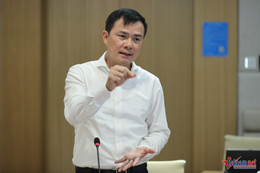
The meeting also touched upon the leadership style required for this new phase. Minister Hung cited the recent initiatives led by General Secretary and President To Lam regarding the National Digital Transformation project (Project 06). The Minister urged Viettel’s leadership to adopt this proactive approach, prioritizing digital administrative reforms and data-driven governance.
This includes:
- Internal Digitalization: Implementing digital technologies in all operational facets of the group.
- AI-Powered Healthcare: Developing AI-driven medical solutions to address national health challenges.
- Digital Signatures: Providing digital signature solutions for all subscribers to bolster national digital security.
Broader Implications for the Vietnamese Economy
The pressure exerted by the MIC on Viettel reflects a broader strategy to transform Vietnam into a digital powerhouse. By forcing state-owned giants to compete not just locally, but against global benchmarks, the government aims to create a "multiplier effect" that will benefit the wider private sector.
Analysts suggest that by mastering core technologies like 5G and semiconductors, Viettel can act as an anchor for a domestic ecosystem of smaller tech firms, software developers, and hardware manufacturers. This approach, often referred to as "pulling the ecosystem along," is intended to foster a sustainable growth model where large state enterprises provide the infrastructure, while the private sector provides the innovation.
Conclusion: A New Horizon for the Telecom Giant
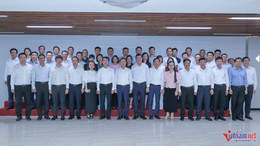
The message from the Ministry of Information and Communications is one of high expectations matched by active support. Minister Hung concluded the meeting by reaffirming that the Ministry views Viettel and other telecom firms as "family members" of the ICT sector.
"The more successful the enterprises are, the more successful the Ministry becomes," he stated. By pushing Viettel toward these ambitious, national-level objectives, the government is signaling that the era of being a passive utility provider is over. The future of Viettel lies in its ability to transition into a high-tech conglomerate capable of solving the complex puzzles of a digital-first nation.
As Viettel enters this next phase, the eyes of the domestic market and international partners alike will be on how effectively it can balance its mandate for national development with the agility required to compete in the fast-paced global digital arena. The success of this transition will not only define Viettel’s future but will serve as a bellwether for the entire Vietnamese economy’s journey toward digital maturity.