Hiep Phat Driving School revolutionizes driver education through advanced AI-integrated digital platforms and remote learning capabilities

On October 28, Hiep Phat Automobile Company officially announced the large-scale integration of Artificial Intelligence (AI) and comprehensive digital transformation strategies into its driver training curriculum. This initiative marks a significant shift in how professional driving instruction is delivered in Vietnam, pivoting toward a flexible, data-driven, and remote-capable educational ecosystem. The move is designed to address the evolving demands of modern learners while ensuring strict adherence to the regulatory standards set forth by the Ministry of Transport and regional authorities.
The Evolution of Digital Driver Training
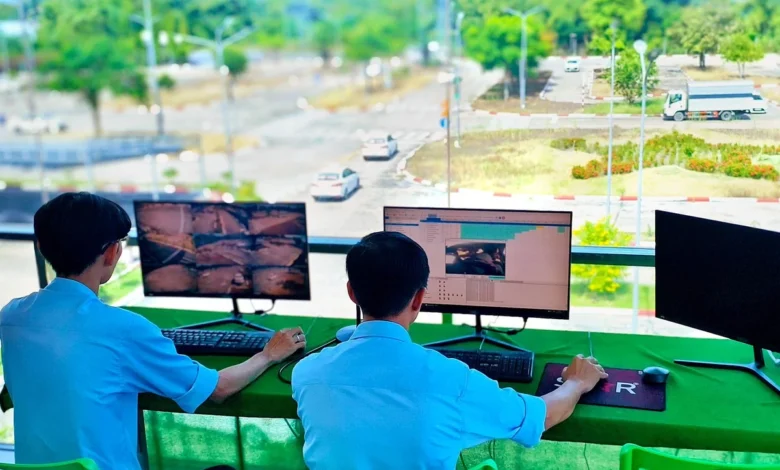
The transition toward a digitized training environment began in earnest in August 2025, when Hiep Phat first introduced its foundational digital solution for driver education. Since that initial launch, the company has aggressively scaled its capabilities by developing the "Hiep Phat HPO" platform. This proprietary system serves as a central nervous system for the school’s operations, integrating real-time telemetry from electronic cabin simulators, Device for Automatic Tracking (DAT) data, and advanced virtual traffic environment simulations.
The core objective of this digital shift is to provide students with a comprehensive, "anywhere, anytime" learning environment. By leveraging mobile and desktop interfaces, students are no longer tethered to physical classrooms for theory sessions. The platform digitizes all study materials, incorporating 360-degree video content, high-fidelity traffic simulation models, and interactive assessment modules that track student engagement in real-time.
Technological Architecture and Student Experience
At the heart of the Hiep Phat HPO platform is a robust data management system that automates the monitoring of student progress. When a student engages with the platform, the system records the duration of the study session and verifies identity through AI-driven biometric markers. If a student fails to meet the mandated curriculum requirements or falls behind in their lesson plan, the system triggers automated reminders and personalized learning support.
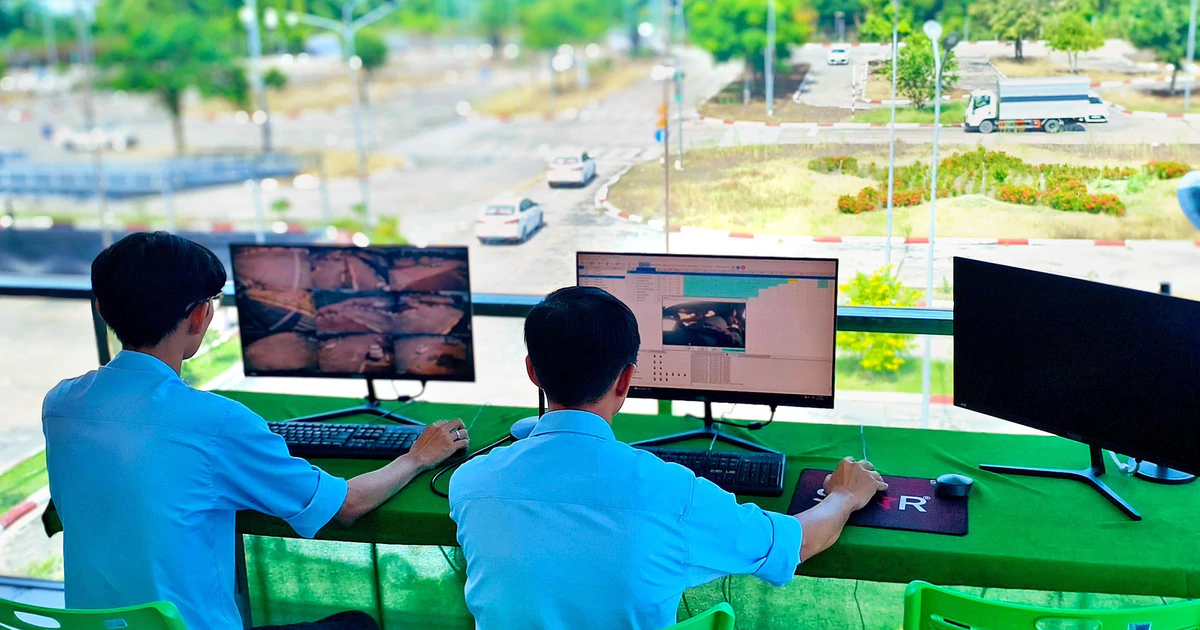
This technological leap extends to the practical training phase. The integration of DAT (Distance and Time) data ensures that every minute spent in the electronic cabin simulator is accurately logged and synchronized with the national database managed by the Vietnam Road Administration. This eliminates the possibility of manual record-keeping errors and provides a transparent audit trail for both the training center and the regulatory authorities.
For the student, the primary benefit is autonomy. By removing the geographical and temporal constraints of traditional education, learners can review complex theoretical concepts at their own pace. This is particularly advantageous for individuals balancing professional responsibilities with their driver training, allowing for a more efficient accumulation of the required training hours.
Regulatory Context and Chronological Development
The push toward digitization has not occurred in a vacuum. It is the result of a deliberate, multi-year effort to modernize the vocational training sector in response to national policy directives. On August 21, 2025, the Department of Construction of Ho Chi Minh City issued a formal evaluation report following a rigorous inspection of Hiep Phat’s proposed AI-integrated training procedures.
The report, presented by Deputy Director Bui Hoa An, served as a landmark moment for the company. The regulatory body confirmed that the Hiep Phat HPO system was meticulously aligned with the national curriculum standards and existing legal frameworks for road safety training. The inspection verified that the visual components and interactive simulations provided by the system were not only accurate but also significantly enhanced the efficacy of remote learning modules.
Following this positive assessment, the Hiep Phat Vocational Education Center officially rolled out its remote learning curriculum under the guidelines of Circular 14/2025/TT-BXD. Since July 1, 2026, the company has further enhanced the system by integrating automated verification protocols, ensuring that all data—including simulator practice times and on-road training metrics—is transmitted seamlessly to the national monitoring infrastructure.

Official Responses and Operational Compliance
Despite the successful implementation of the HPO platform, the Department of Construction has emphasized that this digital transition is intended to complement, rather than replace, traditional instructional standards. The department has clarified that the AI system is an augmentation tool that operates within the existing framework of traffic safety regulations.
Hiep Phat’s leadership has acknowledged this balance. "Our digital platform is not designed to bypass the rigorous standards of the Vietnam Road Administration, but to ensure that every student is better prepared for the final assessment," a company representative stated during the October 28 briefing.
To maintain compliance, the center continues to operate in tandem with the established, government-mandated DAT systems. The regulatory oversight remains strict; the Department of Construction has explicitly requested that the company continue to invest in data security, cybersecurity, and information privacy, particularly as the volume of student data increases.
Broader Implications for Vocational Education
The adoption of AI in driving schools represents a microcosm of a broader national trend in Vietnam: the digitalization of vocational training. As the number of registered vehicles grows, the demand for efficient, high-quality driver education is at an all-time high. Traditional training centers often face challenges related to instructor availability, facility capacity, and student scheduling. By decentralizing theory training and digitizing progress monitoring, Hiep Phat is addressing these logistical bottlenecks.
The implications of this shift are multi-fold:

- Increased Throughput: By moving theory instruction to an online portal, physical classrooms are freed up for more intensive practical exercises, allowing the center to increase its student capacity without compromising the quality of instruction.
- Data-Driven Instruction: The use of AI allows for the identification of common mistakes made by students during simulator training. Instructors can use this aggregated data to tailor their in-person coaching, focusing on areas where the cohort is struggling.
- Transparency and Accountability: The automation of training records reduces the risk of fraud and ensures that only students who have truly met the required benchmarks are cleared to take the licensing examination.
- Safety Standards: By providing a more thorough and accessible theoretical foundation, the hope is that new drivers will enter the road network with a more profound understanding of traffic laws and defensive driving techniques.
Challenges and Future Outlook
While the technological transition has been largely successful, the path forward involves continuous refinement. The Department of Construction has advised Hiep Phat to remain vigilant regarding the interoperability of their system with future updates to the national database. As the Vietnam Road Administration continues to evolve its digital infrastructure, private training centers must ensure their proprietary systems remain compatible.
Furthermore, the integration of AI brings the challenge of maintaining human-centric instruction. While AI can track progress and flag deficiencies, the role of the professional driving instructor remains vital for interpreting situational nuances on the road. Hiep Phat plans to continue refining its hybrid model, where AI provides the data-driven framework and instructors provide the experiential expertise.
As the industry watches this pilot project, it is clear that the future of driver education in Vietnam is inherently linked to technological integration. The success of Hiep Phat in navigating the regulatory, technical, and pedagogical challenges of this transition sets a new benchmark for vocational training centers across the country. By focusing on data security, regulatory alignment, and user-centric design, the company is proving that modern technology can serve as a catalyst for both safety and efficiency on the nation’s roads.
Moving forward, the focus will likely remain on enhancing the predictive capabilities of the AI, potentially moving toward simulations that adjust in real-time to a student’s specific driving style or observed weaknesses, further cementing the role of technology in fostering safer, more competent drivers.
Related posts: