VinFast Dominates Vietnam Urban SUV Market with Record Sales in the First Nine Months of 2026

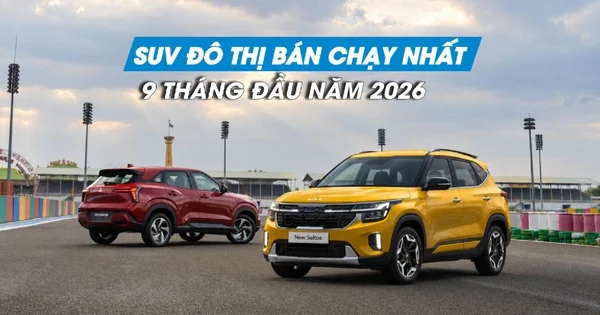
The automotive landscape in Vietnam has undergone a seismic shift in the first nine months of 2026, as electric vehicle (EV) adoption accelerated significantly, fundamentally altering the competitive dynamics of the urban SUV segment. Data compiled from industry reports indicates that total sales within the urban SUV category exceeded 105,900 units between January and September 2026. This period has been characterized by the overwhelming dominance of VinFast’s electric lineup, which has effectively pushed traditional internal combustion engine (ICE) and hybrid vehicles into a secondary tier of consumer preference.
The Rise of Electric Mobility: A Market Overview
For the first three quarters of 2026, the Vietnamese automotive market showed resilience, particularly in the B-segment SUV category, which remains the most popular choice for urban commuters. The total volume of over 105,900 units reflects a growing appetite for vehicles that offer a balance of maneuverability, modern design, and advanced technology.
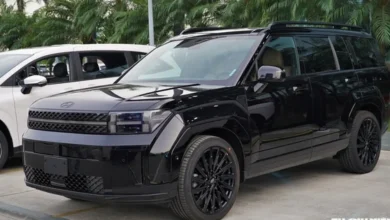
At the forefront of this market shift is the VinFast VF 6, which has emerged as the definitive bestseller. Recording 30,420 units sold in the first nine months, the model has secured a substantial lead, effectively setting a new benchmark for the segment. Not far behind, the smaller VinFast VF 5 contributed another 19,026 units to the brand’s tally. Together, these two models accounted for 49,446 vehicles, meaning that nearly one out of every two urban SUVs sold in Vietnam during this period was a VinFast electric vehicle.
Comparative Analysis: EVs vs. ICE and Hybrid Competitors
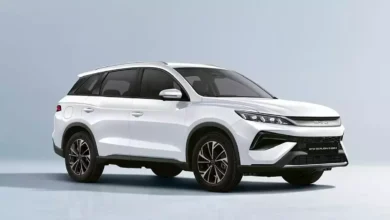
While the electric vehicle segment has captured the top two spots, the battle among traditional automakers remains intense. Toyota Yaris Cross, representing the hybrid and gasoline-powered contingent, finished the nine-month period in third place with 12,646 units. Although it remains the leader within its specific technological category, the gap between the Yaris Cross and the second-placed VinFast VF 5 is a significant 6,380 units.

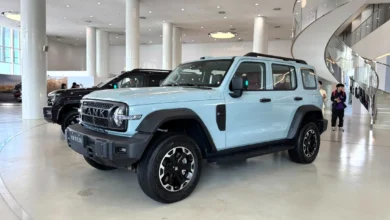
Following the Yaris Cross, the Mitsubishi Xforce has solidified its position as a major contender, registering 9,456 units. The Xforce, which has been praised for its design and interior ergonomics, trails the Yaris Cross by 3,190 units, highlighting a distinct tiering within the non-electric SUV landscape. Closing out the top five, the KIA Seltos recorded 7,109 units. The Seltos, a long-time staple of the Vietnamese market, now finds itself facing stiff pressure from both the Japanese hybrid incumbents and the rapid expansion of domestic EV alternatives.
Chronology of the 2026 Sales Surge
The trajectory of the 2026 market began with a cautious start in the first quarter, as manufacturers navigated fluctuating supply chains and inflationary pressures. However, by the second quarter, the impact of government-backed incentives for green vehicles and the aggressive infrastructure expansion by VinFast began to show tangible results in sales data.
- Q1 2026: Initial momentum saw a steady uptick in interest for urban SUVs, with VinFast beginning to pull away as production capacity for the VF 6 and VF 5 stabilized.
- Q2 2026: Market share for electric vehicles widened as regional charging networks expanded, reducing "range anxiety" among prospective buyers in major cities like Hanoi and Ho Chi Minh City.
- Q3 2026: The competitive gap between EVs and ICE models became pronounced. While manufacturers like Toyota and Mitsubishi introduced promotions to maintain market share, the lower total cost of ownership for EVs—driven by reduced electricity prices compared to fossil fuels—pushed consumers toward the VinFast ecosystem.
Strategic Implications and Industry Responses
Industry analysts note that the current dominance of electric vehicles in the urban SUV segment is not merely a trend but a structural change. The ability of domestic manufacturers to provide comprehensive after-sales support, combined with a rapidly maturing charging infrastructure, has created a high barrier to entry for international brands that have not yet localized their hybrid or electric offerings.
Spokespeople for traditional automakers have remained relatively reserved, focusing on the long-term reliability and established service networks that internal combustion engine vehicles offer. However, the data suggests that these arguments are increasingly being weighed against the performance and technological perks offered by modern EVs.
"The consumer preference has shifted," says an automotive analyst based in Ho Chi Minh City. "Buyers in the urban SUV segment are no longer just looking at the sticker price; they are looking at the total cost of ownership, the technology stack, and the environmental impact. VinFast has successfully capitalized on all three, while the traditional players are struggling to find a price-to-value proposition that can compete with the subsidized and technologically advanced electric offerings."

Technical and Economic Context
The success of the VinFast VF 6 and VF 5 can be attributed to several factors. Firstly, the localized supply chain has allowed for more aggressive pricing strategies. Secondly, the integration of smart-car features—such as voice-activated climate control, advanced driver-assistance systems (ADAS), and over-the-air updates—has resonated well with a younger, tech-savvy demographic that forms the core of the urban SUV buyer base.
In contrast, the Toyota Yaris Cross and Mitsubishi Xforce have relied on brand heritage and the perceived durability of traditional engines. While these models remain strong sellers for consumers who are not yet ready to transition to full electrification, the market share data suggests that their target audience is shrinking as EVs move from the "early adopter" phase to the "mainstream" phase.
Future Outlook: What to Expect for the Year-End
As the market enters the final quarter of 2026, the focus will shift to year-end clearance sales and holiday-driven demand. Manufacturers are expected to introduce more aggressive financing options to clear inventory. However, experts suggest that the lead established by VinFast is unlikely to be overturned before the end of the calendar year.
The competition in the coming months will likely revolve around whether the Japanese and Korean manufacturers can introduce localized hybrid variants that offer better fuel efficiency to compete with the operational cost-effectiveness of EVs. For now, the urban SUV segment remains a clear indicator of Vietnam’s broader commitment to green energy and industrial modernization.
Conclusion
The first nine months of 2026 have provided a clear snapshot of the future of the automotive industry in Vietnam. With electric vehicles commanding nearly half of the urban SUV market, the shift towards sustainable mobility is no longer a peripheral concern but a central pillar of the automotive economy. As the year draws to a close, the performance of the VinFast lineup serves as a testament to the effectiveness of local production, government policy, and consumer readiness for the electric transition. For the remainder of the industry, the challenge remains: adapt to the changing market landscape or face further erosion of market share in one of Southeast Asia’s most dynamic automotive sectors.