Sidewinder Campers revolutionizes motorcycle travel with innovative side-mounted mobile homes for two to four passengers

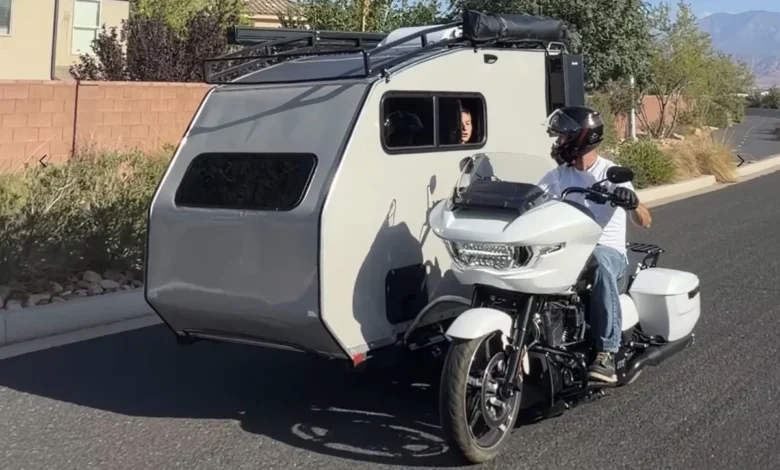
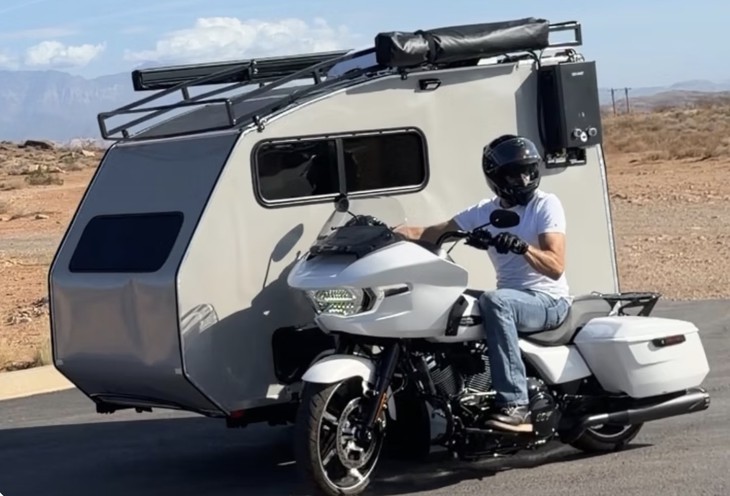
The landscape of motorcycle touring is undergoing a significant transformation as startup Sidewinder Campers introduces a radical departure from traditional trailer-towing methods. By shifting the paradigm of mobile living from rear-towed campers to integrated side-mounted modules, the company is challenging long-standing conventions in the motorcycle adventure sector. This innovation, which draws aesthetic and functional inspiration from historic sidecar configurations, aims to provide a more stable and cohesive travel experience for long-distance motorcycle enthusiasts.
For decades, motorcyclists wishing to transport living quarters have been limited to lightweight, single-axle trailers that trail behind the bike. While functional, these trailers often introduce complex handling dynamics, including increased braking distances and the risk of "fishtailing" in adverse conditions. Sidewinder Campers, a burgeoning startup, seeks to mitigate these issues by utilizing a side-mounting system that essentially turns the motorcycle into a bespoke sidecar rig. This design approach creates a more integrated center of gravity, potentially offering better weight distribution and maneuverability compared to traditional rear-mounted solutions.
The Sidewinder Product Lineup: From Compact to Spacious
Sidewinder Campers has officially unveiled three distinct versions of its mobile home modules: the Pygmy, the Colorado, and the Sonoran. Each model is tailored to different motorcycle categories and passenger capacities, ranging from solo weekend adventurers to small groups of four.
The entry-level model, the Pygmy, is the smallest in the fleet. Measuring approximately 2.13 meters in length, 1.22 meters in width, and 1.22 meters in height, it is designed for maximum efficiency. Weighing in at approximately 159 kilograms, it represents a lightweight solution for riders who want to avoid the bulk of traditional camping setups. The interior is primarily configured as a sleeping space for two, with water storage and battery power systems neatly tucked beneath the floor to optimize internal volume.
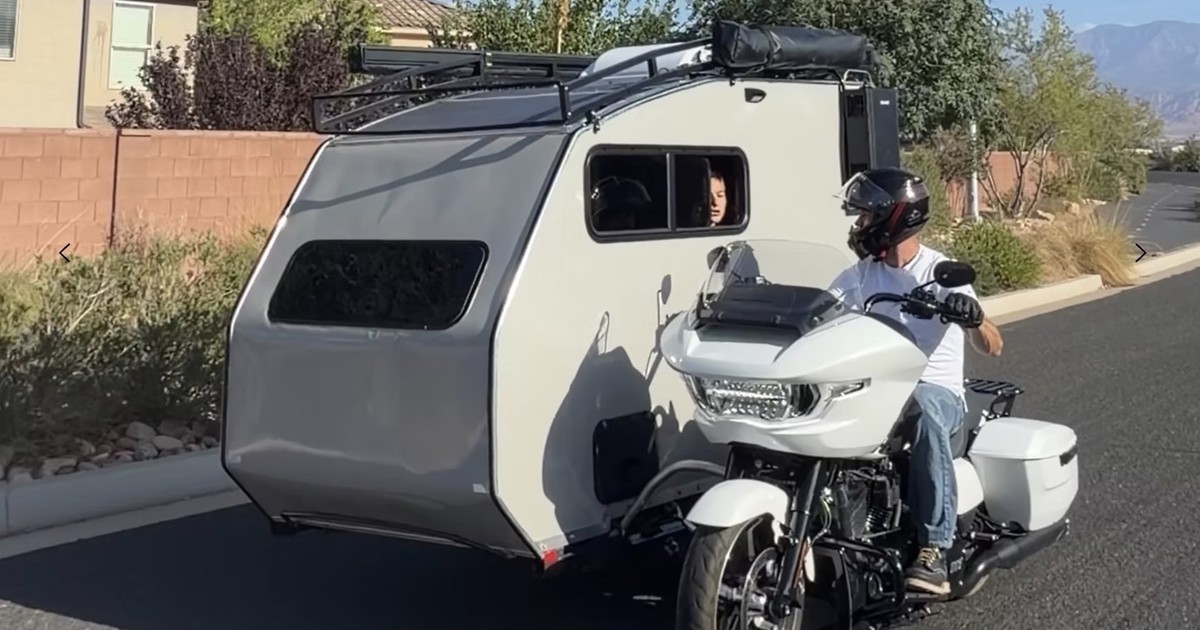
For those requiring more substantial accommodation, the Sonoran model represents the pinnacle of the company’s current engineering capabilities. With a footprint measuring nearly 4 meters in length and reaching heights and widths of over 2 meters, the Sonoran is capable of sleeping up to four people. This model utilizes a robust steel frame combined with lightweight composite materials, ensuring structural integrity while managing the total mass of the unit.
Engineering Integration and Compatibility
A primary differentiator for the Sidewinder system is its mounting architecture. Rather than relying on a rear hitch, which can place significant stress on the motorcycle’s subframe, the Sidewinder modules connect to the bike through a specialized chassis-transfer system. This design is engineered to interface with modern cruiser, adventure, and touring motorcycles.
Technical specifications provided by the manufacturer suggest that motorcycles with engine displacements of 1,000cc or greater are the most suitable candidates for these units. Larger displacement engines are generally equipped with the necessary torque and braking capacity to handle the additional load. The modules feature integrated LED lighting, high-grade thermal insulation, and a modular kitchen area located at the rear, accessible by opening the tail hatch.
The company has also prioritized customization, allowing users to opt for solar panel arrays, climate control systems, awnings, and exterior shower fixtures. These amenities are designed to allow for extended off-grid living, effectively turning a standard motorcycle into a fully functional micro-RV.
Safety Considerations and Technical Challenges
Despite the technical ingenuity of the Sidewinder design, the integration of such a substantial module onto the side of a motorcycle presents several safety and operational hurdles. Industry experts have pointed out that a large, side-mounted structure could significantly obstruct the rider’s field of vision. To address this, Sidewinder has incorporated side windows into the module; however, there is ongoing debate regarding whether these are sufficient for safe navigation, particularly when turning or merging in heavy traffic.
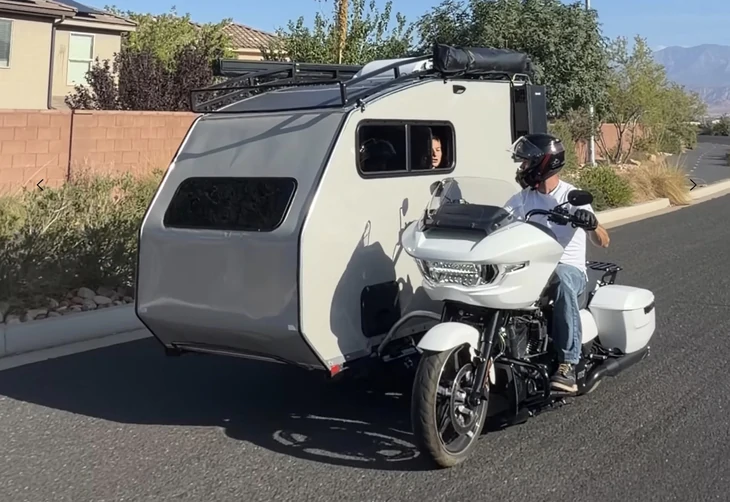
Furthermore, the weight distribution of the larger models remains a focal point for safety-conscious riders. The Sonoran model, with a curb weight of approximately 612 kilograms, raises significant questions regarding the towing or "side-carrying" limits of standard motorcycles. In the world of motorcycle towing, the general rule of thumb—as suggested by industry standards—is that a trailer or attachment should not exceed 50% of the motorcycle’s total weight. When compared to the Honda Gold Wing Tour 2027 (383kg), the Harley-Davidson Road Glide 2026 (380kg), and the BMW K 1600 GTL 2026 (358kg), the 612kg mass of the Sonoran exceeds these conventional safety thresholds.
To mitigate these concerns, the company is considering the inclusion of integrated camera systems to provide the rider with a 360-degree view of the surroundings, effectively eliminating blind spots created by the module.
Market Implications and Future Outlook
The entry of Sidewinder Campers into the market marks a bold attempt to address the "missing middle" of the motorcycle touring industry. Currently, riders must choose between expensive, heavy, and often cumbersome motorhomes, or minimalist camping gear that offers little in the way of comfort. By offering a middle-ground solution, Sidewinder is targeting a demographic that values both the thrill of riding and the comfort of a semi-permanent base camp.
Analysts following the motorcycling sector suggest that the success of these modules will depend heavily on the manufacturer’s ability to secure safety certifications in various jurisdictions. Laws regarding sidecars and motorcycle trailers vary significantly between countries, and a product that is legal in one region may require extensive modifications for another.
Furthermore, the price point of these units, estimated to start around $10,000 (roughly 260 million VND), places them in a premium category. Potential buyers will need to weigh the convenience of the modular design against the added costs of specialized mounting hardware and potential insurance premium increases.
Conclusion and Path Forward
As the automotive and motorcycle industries continue to pivot toward more flexible, modular designs, the work of startups like Sidewinder serves as a bellwether for the future of mobile living. While the technical challenges regarding weight, visibility, and handling are non-trivial, the potential for a new category of "moto-camping" is evident.
The company is currently in the process of refining its larger models, with plans for rigorous safety testing and compliance evaluations. As these prototypes move toward production, the industry will be watching closely to see if Sidewinder can deliver on its promise of safe, comfortable, and truly mobile motorcycle living. If they succeed, the traditional image of the lone motorcyclist pitching a tent by the roadside may soon be replaced by the sight of a modern, efficient, and fully-equipped mobile unit that offers a new level of freedom on the open road.
The evolution of motorcycle travel has always been defined by the balance between weight and capability. Sidewinder Campers has initiated a conversation that may eventually reshape how we perceive long-distance touring, provided that they can satisfy both the passion of the rider and the stringent requirements of road safety authorities. For now, the journey is just beginning, and the market will ultimately determine whether this side-mounted innovation becomes a permanent fixture of the touring landscape.